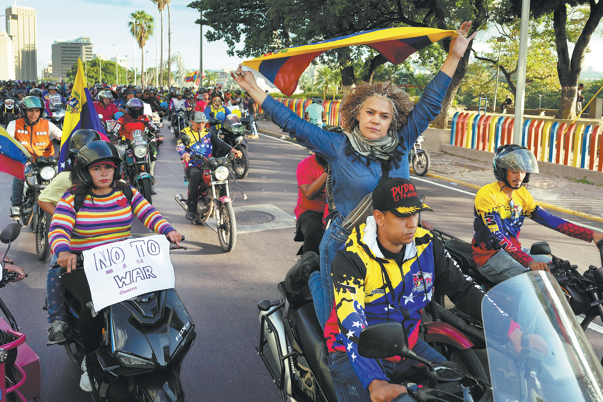
In a significant escalation of diplomatic tensions, U.S. President Donald Trump suggested on Monday that Venezuelan leader Nicolás Maduro would be acting wisely by voluntarily relinquishing power. The remarks came as American naval forces intensified their blockade targeting Venezuela’s crucial oil resources.
When questioned by journalists about whether Washington’s coercive measures aimed to force Maduro from office, Trump responded with characteristically blunt rhetoric. “That’s up to him, what he wants to do. I think it would be smart for him to do that,” the president stated. He followed with an implicit threat, adding, “If he wants to do something—if he plays tough, it’ll be the last time he’s ever able to play tough.”
The Venezuelan president delivered a swift retort during a nationally televised address mere hours later. Maduro advised his American counterpart to concentrate on domestic challenges rather than issuing international threats. “He would be better off in his own country on economic and social issues, and he would be better off in the world if he took care of his country’s affairs,” Maduro asserted.
The verbal exchange occurs against a backdrop of heightened military activity. Since September, U.S. forces have conducted strikes against vessels allegedly involved in drug trafficking operations across Caribbean and eastern Pacific waters—claims made without publicly presented evidence. These operations have resulted in over 100 fatalities, including fishermen according to family reports and regional governments.
The geopolitical confrontation drew international attention as Russian Foreign Minister Sergey Lavrov and Venezuelan counterpart Yvan Gil held an urgent telephone consultation. Both diplomats expressed profound concern regarding Washington’s escalating military presence in the Caribbean, warning these actions could trigger serious regional consequences and endanger international maritime navigation.
The Russian Foreign Ministry subsequently issued a statement reaffirming Moscow’s “full support for and solidarity with the Venezuelan leadership and people.” This diplomatic coordination preceded Tuesday’s scheduled United Nations Security Council emergency meeting to address the worsening crisis.