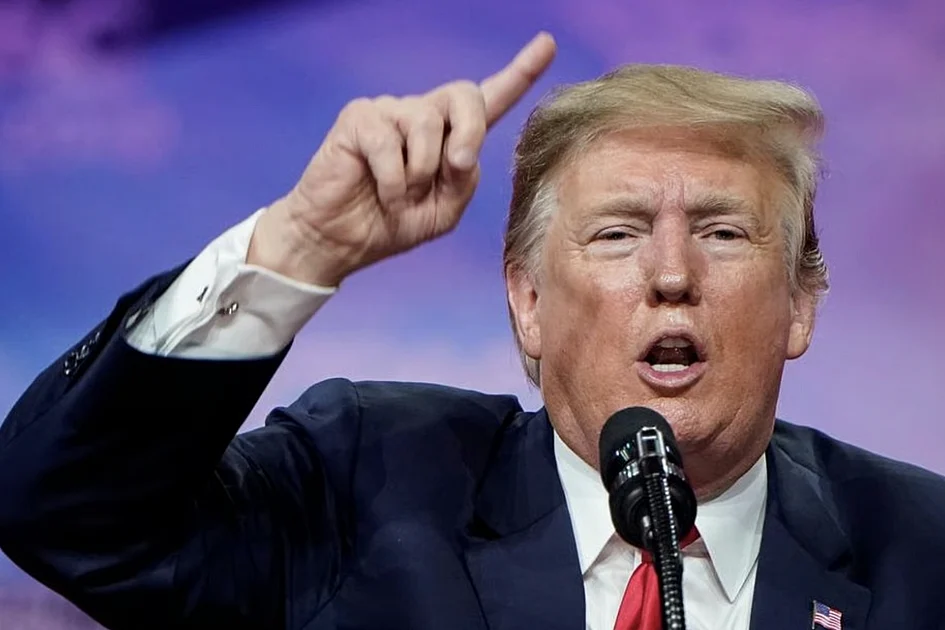
In a significant escalation of trade tensions, former US President Donald Trump has declared his intention to increase tariffs on South Korean imports from 15% to 25%, targeting key sectors including automobiles, lumber, and pharmaceuticals. The announcement was made via Trump’s Truth Social platform on Monday, where he accused South Korea’s legislature of failing to ratify what he termed a “Historic Trade Agreement” previously negotiated with Washington.
This potential policy reversal threatens to undermine a comprehensive trade and security agreement finalized just months earlier in October 2025, following personal negotiations between Trump and South Korean President Lee Jae Myung. The original pact had secured reduced tariff rates for South Korean exports in exchange for substantial investment commitments from Seoul.
The South Korean government responded with measured concern, indicating it had received no prior official notification regarding the tariff increase. An emergency meeting was convened by Seoul’s presidential office, with Trade and Industry Minister Kim Jung-kwan participating remotely from Canada. In an official statement, South Korean officials emphasized their “commitment to implementing the tariff agreement” while pledging to respond “in a calm and measured manner.”
The automotive sector represents particularly high stakes in this dispute, accounting for approximately 27% of South Korea’s exports to the United States. A reversion to higher tariff levels would place South Korean manufacturers at a competitive disadvantage compared to trading partners like Japan and the European Union, which maintain 15% tariff rates under separate agreements.
This development marks the latest in a series of trade threats from Trump, who recently warned Canada with potential 100% tariffs should it pursue a trade deal with China, and similarly threatened European nations regarding his aspirations to purchase Greenland.