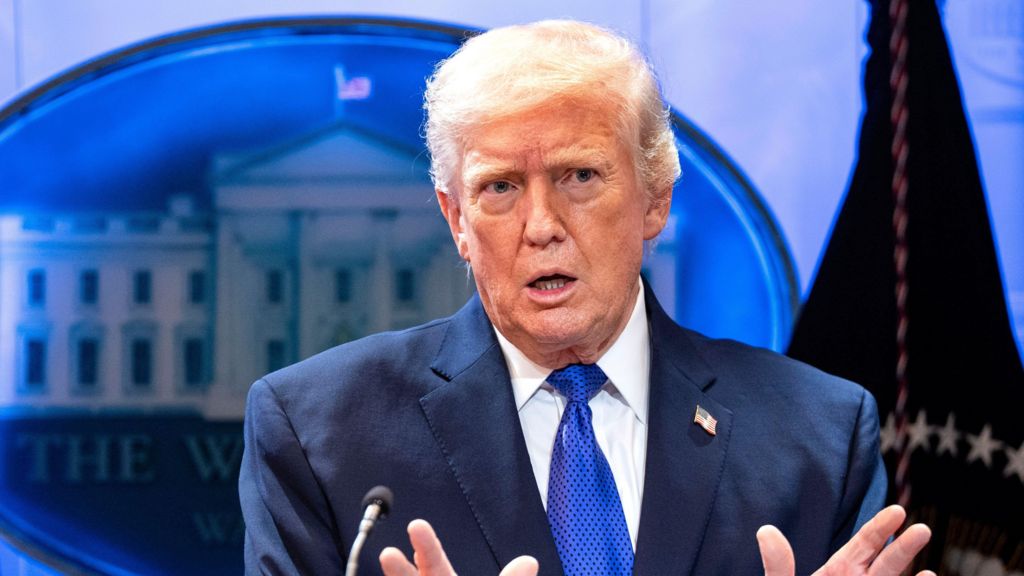
In a dramatic escalation of his trade policy agenda, former President Donald Trump has declared his intention to impose sweeping 15% tariffs on all imported goods entering the United States. This decisive move comes as a direct response to Friday’s Supreme Court decision that invalidated his previous tariff structure, which the court deemed an unconstitutional overreach of presidential authority.
The announcement, made through Trump’s Truth Social platform on Saturday, represents a significant increase from the 10% global tariff he initially proposed just one day earlier. The new tariff regime, scheduled to take effect on Tuesday, February 24, will be implemented under provisions of a previously unused trade law that permits such measures without immediate congressional approval for approximately five months.
This development creates immediate complications for several key U.S. trading partners, particularly the United Kingdom and Australia, which had previously negotiated bilateral agreements capping tariffs at 10%. The sudden policy shift undermines these carefully constructed diplomatic arrangements and threatens to destabilize existing trade relationships.
Trump justified the aggressive tariff increase as a necessary response to what he characterized as a ‘ridiculous, poorly written, and extraordinarily anti-American decision’ by the Supreme Court. In remarkably blunt language, the former president expressed shame toward certain justices and labeled those who rejected his trade policy as ‘fools.’
The court’s 6-3 ruling determined that Trump had exceeded his constitutional authority when implementing previous tariffs under the 1977 International Emergency Economic Powers Act. The majority opinion included an unusual coalition consisting of the court’s three liberal justices, Chief Justice John Roberts, and two Trump-appointed justices—Amy Coney Barrett and Neil Gorsuch. The dissent came from conservative justices Clarence Thomas, Brett Kavanaugh, and Samuel Alito.
This tariff initiative represents a cornerstone of Trump’s economic nationalism agenda, which aims to incentivize domestic manufacturing and discourage offshore production through protectionist trade measures. The constitutional confrontation between the executive and judicial branches sets the stage for a significant test of presidential powers regarding international trade policy.