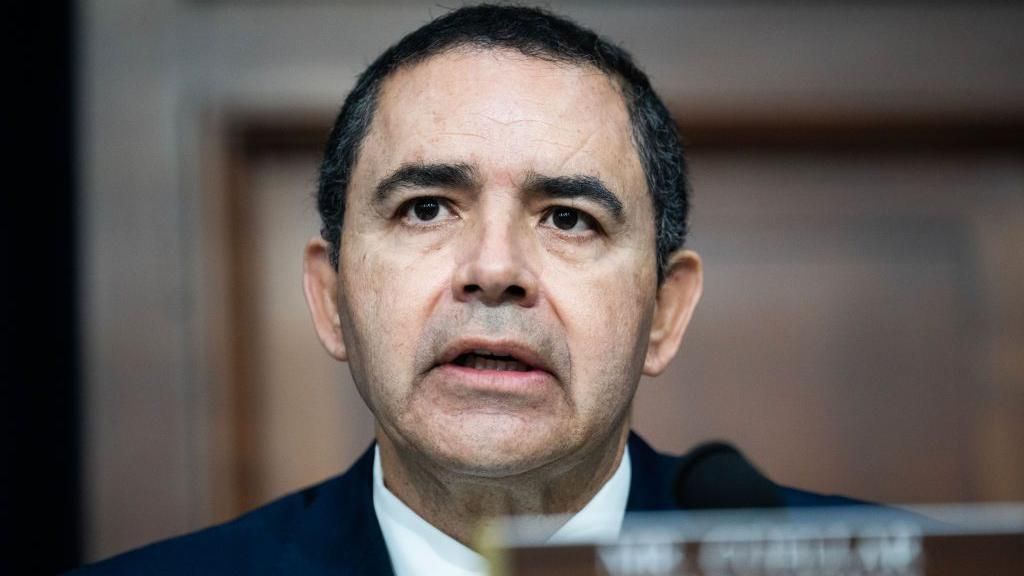
In a significant political development, President Donald Trump has announced his intention to grant a complete pardon to Democratic Congressman Henry Cuellar of Texas and his wife Imelda, both facing federal corruption charges. The announcement came via Trump’s social media platform where he promised “full and unconditional” clemency for the couple.
Congressman Cuellar, who has represented Texas’ 28th congressional district since 2005, was indicted last year on multiple charges including conspiracy, bribery, wire fraud, money laundering, and violating bans on acting as foreign agents. The Justice Department under former President Biden alleged that Cuellar accepted approximately $600,000 in bribes from an Azerbaijani state-owned oil company and a Mexican bank. In exchange, prosecutors claim Cuellar agreed to influence U.S. foreign policy in favor of Azerbaijan and advocate for measures benefiting the Mexican financial institution.
The indictment further detailed that companies owned by Imelda Cuellar allegedly laundered the funds, which were used for various personal expenses including $58,000 in credit card payments, $18,000 at wholesale stores, and $12,000 for a custom gown.
Despite these serious charges, Cuellar maintains his innocence and has surprisingly filed for re-election as a Democrat, dispelling speculation that he might switch parties to bolster Republican numbers in the House. Cuellar is known as one of the most conservative Democrats in Congress, particularly for his moderate stance on abortion and immigration.
Trump justified his pardon decision by suggesting the charges were politically motivated, claiming Cuellar was targeted for “bravely speaking out against Open Borders.” This sentiment was echoed in a letter from Cuellar’s daughters to Trump, which suggested their father’s border security stance might have prompted the indictment.
This marks Trump’s third act of clemency this week, following his pardon of former Honduran President Juan Orlando Hernández, convicted of drug trafficking charges, and the commutation of former investment manager David Gentile’s fraud sentence. The pattern suggests a continued presidential focus on pardoning individuals convicted of financial crimes during Trump’s second term.