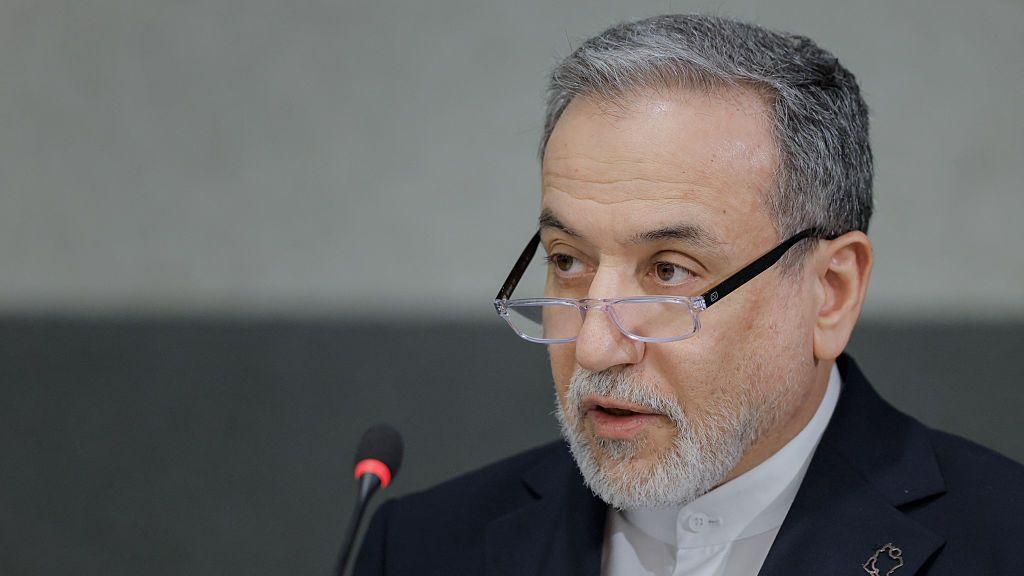
Tensions between the United States and Iran have entered a decisive phase as diplomatic efforts converge with military posturing. Iranian Foreign Minister Abbas Araghchi announced Tehran is preparing a draft agreement proposal for Washington, expected to be delivered to US Special Envoy Steve Witkoff within days. This development occurs alongside significant US military deployments toward the region, including the USS Gerald R Ford – the world’s largest warship – and the USS Abraham Lincoln aircraft carrier battle group.
President Donald Trump has characterized the situation as approaching resolution within approximately ten days, suggesting either a diplomatic breakthrough or potential military action. While engaging with journalists, Trump maintained strategic ambiguity regarding precise intentions, stating: ‘We’re going to make a deal or get a deal one way or the other.’ This posture aligns with his documented preference for maintaining operational secrecy.
The geopolitical standoff stems from longstanding concerns among US and European allies regarding Iran’s nuclear program, which Western powers suspect aims toward weapons development despite Tehran’s consistent denials. Recent negotiations in Switzerland have reportedly yielded progress, even as both nations reinforce military capabilities. Satellite imagery confirms Iranian military fortifications, while Supreme Leader Ayatollah Ali Khamenei has utilized social media to warn that ‘a warship is a dangerous piece of military hardware.’
Historical context reveals Trump’s pattern of employing deadlines alongside diplomatic overtures. During July’s Operation Midnight Hammer, which targeted Iranian nuclear facilities, administration officials continued publicly discussing negotiation possibilities until immediately before strikes occurred. Current military planning reportedly involves multiple options for potential extended campaigns, contrasting with previous limited operations.
Domestically, potential military action presents political challenges for the administration. Recent polling indicates growing disapproval of Trump’s handling of key issues, and prolonged engagement with Iran risks alienating portions of his base who originally supported his non-interventionist foreign policy stance.