In a striking declaration made before Inter Miami’s soccer stars, including Lionel Messi and Luis Suarez, former US President Donald Trump predicted the imminent collapse of Cuba’s communist government. The remarks came just one day after the island nation suffered a devastating 24-hour nationwide blackout, exacerbating an already severe energy crisis.
Addressing team owner and Cuban-born billionaire Jorge Mas, Trump asserted that Cuban authorities desperately seek a negotiated settlement, stating they “want to make a deal. So badly you have no idea.” He promised celebrations would soon follow developments in Cuba, with Mas enthusiastically responding: “It’s going to be an amazing day.”
In subsequent comments to CNN, Trump revealed plans to involve Senator Marco Rubio in Cuba negotiations, declaring “Cuba’s gonna fall pretty soon” while emphasizing continued pressure on the island nation. Although prioritizing Iran currently, Trump noted Cuba had been “ready after 50 years” of communist rule.
The energy crisis stems directly from Venezuela’s political upheaval in January, when US military action removed Nicolás Maduro from power. Cuba lost its primary crude oil supplier, with no other partners—particularly Mexico—willing to breach the supply gap under Trump administration pressure.
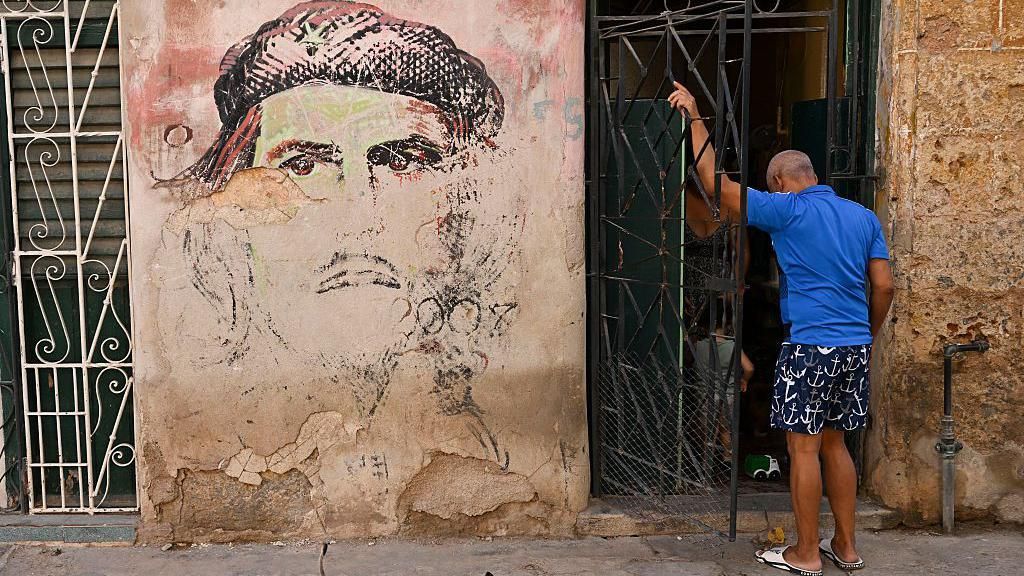
The consequences are visible nationwide: mountains of uncollected garbage create public health hazards, forcing residents to burn waste amid acrid smoke. Even affluent Havanans resort to cooking with firewood during blackouts. The fuel shortage cripples transportation and backup generators, with few alternatives to Cuba’s deteriorating Soviet-era electrical grid.
While the Cuban government remains silent on alleged negotiations—reportedly conducted through Raúl Castro’s grandson—it has permitted limited private sector fuel imports. However, these measures prove insufficient against nationwide shortages that now threaten Cuba’s tourism industry, with Air France recently suspending flights due to refueling difficulties.
As Cubans brace for summer without air conditioning or fans, the Trump-Rubio approach maintains maximum pressure despite critics noting the policy disproportionately harms ordinary citizens rather than leadership, raising questions about intentions to spark internal uprising.