After nearly two weeks of relentless tit-for-tat military exchanges that shattered a fragile June ceasefire between the United States and Iran, US President Donald Trump has halted offensive attacks on Iran for a second consecutive night to open space for diplomatic negotiations, the US ambassador to the United Nations Mike Waltz has confirmed.
Speaking to Fox News on Sunday, Waltz outlined that the administration’s decision to stand down offensive operations is intentional: the president is deliberately creating breathing room for diplomatic talks to progress. Shortly after the US announced its pause, an Iranian army spokesperson confirmed that Tehran has also halted all retaliatory military actions across the region in a reciprocal response to the American move.
Despite the temporary de-escalation, Waltz stopped short of confirming that the Trump administration has ruled out further military escalation entirely. When asked by NBC whether the president had formally rejected expanding hostilities for good, he responded: “I wouldn’t go that far at all. The president is keeping all options on the table.”
Waltz also pushed back against recent reporting from *The New York Times* which claimed that senior administration officials had warned that expanding the conflict would rapidly deplete already depleted stockpiles of US air defense munitions. “The US military… has everything that it needs to conduct this campaign as effectively as it needs to be,” he stated in a firm denial of the reports.
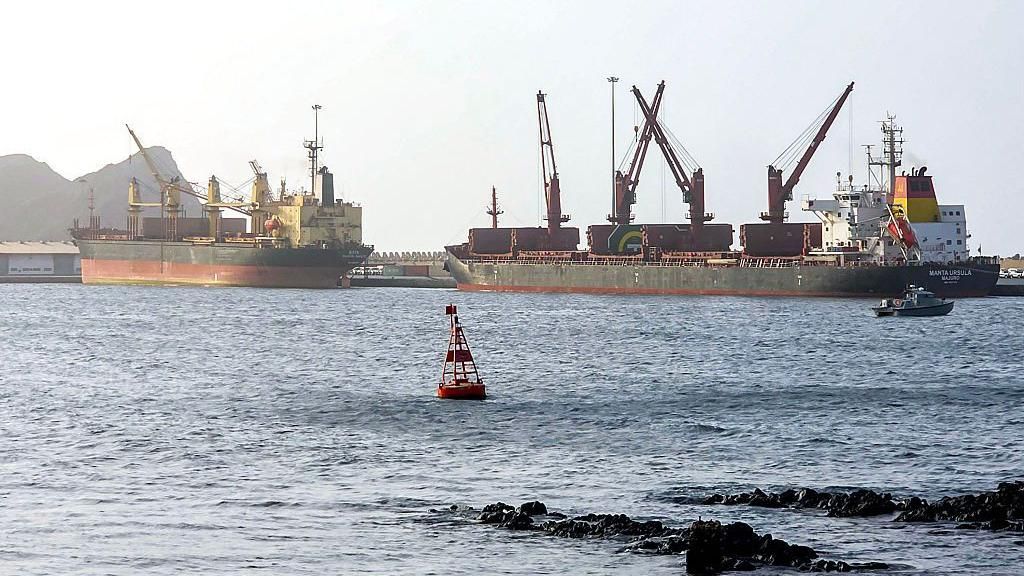
Parallel to the diplomatic overtures, Iranian and Omani officials held multiple rounds of technical negotiations in Tehran across Friday and Saturday focused on cooperative management of the Strait of Hormuz, the strategic chokepoint that sits at the center of the latest cycle of US-Iran tensions, according to Iranian foreign ministry spokesman Esmail Baghaei. Competing claims over control and access to the strait rekindled open hostilities between Washington and Tehran earlier this month, and the waterway remains the single largest stumbling block to reaching a permanent end to the conflict.
The road to the current crisis began in June, when the US and Iran signed a memorandum of understanding that established an immediate ceasefire, reopened the Strait of Hormuz to commercial shipping, and laid out a 60-day timeline to negotiate a full permanent end to the war. That agreement collapsed on July 13, when Iranian forces targeted commercial oil transiting the strait, prompting the US to resume large-scale airstrikes on Iranian targets and reimpose a strict naval blockade on all Iranian commercial ports.
Iran responded immediately with coordinated strikes on US military facilities and bases across the Middle East, which killed four American service members. Iranian health ministry data confirms that US retaliatory strikes have since killed dozens of Iranians across the country. The conflict, which first began in February as a US-Israeli joint military campaign against Iran, has now killed thousands of people across the Middle East, official figures show, with the overwhelming majority of fatalities recorded in Iran and Lebanon.
Across the Atlantic, new UK Defence Secretary Wes Streeting announced that he will meet US Secretary of Defense Pete Hegseth in the coming week to coordinate policy on the strait, which is one of the world’s most critical chokepoints for global trade in oil, liquefied natural gas, and other essential commodities. “When it comes to securing maritime freedom and free commercial shipping in the Strait of Hormuz, that’s where we are absolutely aligned,” Streeting told the BBC, confirming the UK’s alignment with US policy on the waterway.
The return of open conflict has already sent ripples through global energy markets: earlier this week, global benchmark oil prices climbed above $100 a barrel for the first time since May, as traders priced in growing risks to global energy supply chains.
As the conflict approaches its fifth month of continuous fighting, it remains deeply unpopular with the American public, according to a new CBS/YouGov opinion poll. The survey found that 57% of Americans report feeling frustrated with the ongoing conflict, while just 19% express optimism about the situation.
Looking ahead, President Trump is scheduled to hold talks with Israeli Prime Minister Benjamin Netanyahu at the White House on Tuesday, where the pair are expected to discuss the path forward in the Middle East conflict.