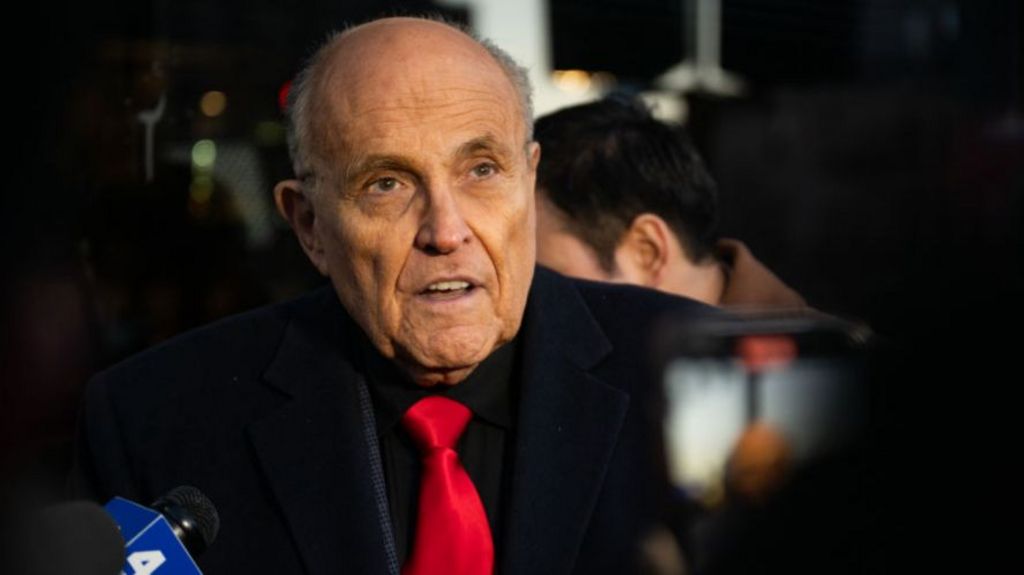
Former U.S. President Donald Trump has granted federal pardons to his ex-personal lawyer Rudy Giuliani and several other allies accused of attempting to overturn the 2020 election results. Among those pardoned are Mark Meadows, Trump’s former White House chief of staff, and a group of so-called false electors who allegedly sought to disrupt the certification of Joe Biden’s victory. The pardons, described as ‘full, complete, and unconditional,’ were announced by Justice Department attorney Ed Martin on social media platform X. While the move is largely symbolic—since the charges were state-level and pardons only apply to federal crimes—Trump framed it as a step toward ‘national reconciliation.’ White House press secretary Karoline Leavitt criticized the prosecutions as ‘communist tactics,’ likening them to practices in Venezuela. Notably, the pardons do not extend to Trump himself, who has long claimed the authority to self-pardon but faces legal uncertainties. Giuliani, who declared bankruptcy after being held liable for $148 million in defamation cases, was disbarred in New York and Washington, D.C. Other pardoned figures include former Trump lawyers Sidney Powell, Jenna Ellis, John Eastman, and Kenneth Chesebro, all of whom had unsuccessfully challenged the 2020 election results. Powell’s claims of vote-switching and ‘communist money’ influencing the election were widely discredited. This latest round of clemency follows Trump’s earlier pardons of Capitol riot participants and the dismissal of several election-related cases against his allies in states like Arizona, Georgia, and Michigan. The Electoral College, comprising 538 members, remains the official body that elects U.S. presidents based on state-by-state results.
Trump pardons Giuliani and others accused of plot to overturn 2020 election