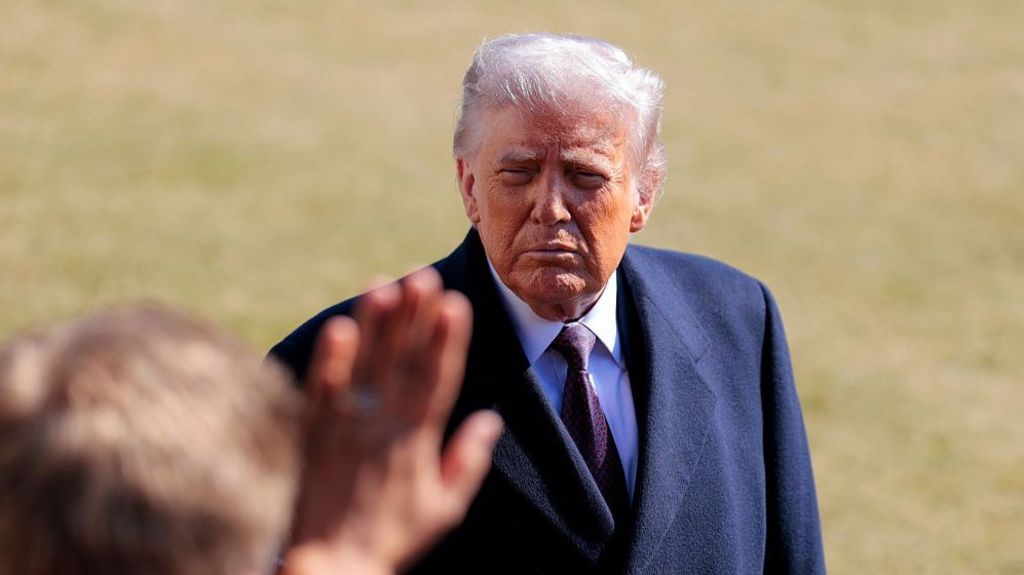
International diplomatic efforts face heightened uncertainty as U.S. President Donald Trump expressed profound dissatisfaction with Iran’s position in nuclear negotiations. In his first public comments following inconclusive talks in Geneva, Trump stated he was “not happy” with Tehran’s unwillingness to meet American demands, though he emphasized his preference to avoid military confrontation.
The diplomatic stalemate has triggered global security concerns, with multiple nations issuing urgent travel advisories for the region. The United Kingdom has temporarily withdrawn staff from its Tehran embassy and updated travel guidance against non-essential travel to Israel. China, India, and Canada have advised their citizens to depart Iran immediately, while Germany and France reinforced existing travel warnings.
The U.S. Embassy in Israel has authorized voluntary departure for non-emergency personnel and families, recommending they “consider leaving while commercial flights are available.” This precaution follows similar security measures implemented at the U.S. embassy in Beirut.
Despite the tensions, Omani Foreign Minister Badr Albusaidi, who mediated the indirect talks, reported “significant progress” had been achieved. Iranian Foreign Minister Abbas Araghchi acknowledged “good progress” while noting persistent disagreements on certain issues. Technical discussions are scheduled to resume in Vienna next week.
The military backdrop remains ominous. Trump has ordered the largest U.S. military buildup in the Middle East since the 2003 Iraq invasion, deploying two aircraft carriers, additional warships, and advanced aircraft. The President previously established a ten-day deadline for determining whether diplomacy or military action would prevail.
International Atomic Energy Agency concerns compound the situation, with inspectors reportedly denied access to Iranian uranium enrichment sites since U.S. airstrikes destroyed three nuclear facilities in June. Iran maintains its nuclear program serves peaceful purposes, though it has enriched uranium to near-weapons-grade levels.
U.S. Secretary of State Marco Rubio is scheduled to visit Israel Monday to discuss regional priorities, including the Iran situation, as the international community watches for signs of resolution or escalation.