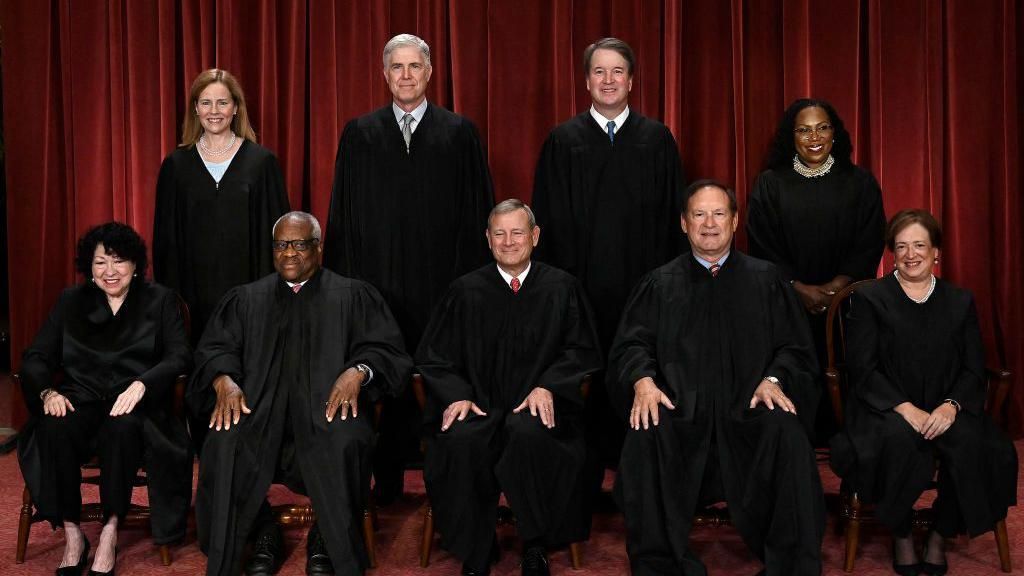
In an extraordinary display of presidential ire, Donald Trump launched a deeply personal broadside against six Supreme Court justices who delivered a landmark ruling against his administration’s global tariff policies. The decision, handed down on Friday, represents one of the most significant judicial setbacks of Trump’s second term.
Addressing reporters at a White House press conference just hours after the ruling, Trump expressed profound disappointment with the court’s majority opinion. ‘I’m ashamed of certain members of the court. Absolutely ashamed for not having the courage to do what’s right for our country,’ the president declared, initiating a sweeping critique of the judicial branch that lasted nearly 45 minutes.
The court’s ruling established that presidents lack inherent constitutional authority to impose comprehensive tariffs on foreign nations without congressional approval. Trump’s response transcended typical political disagreements, evolving into a remarkable personal indictment of the justices themselves.
Notably, the president’s criticism crossed ideological and appointment lines equally. The six justices in the majority comprised an unusual coalition: three Democratic-appointed liberals (Elena Kagan, Sonia Sotomayor, and Ketanji Brown Jackson) and three Republican-appointed conservatives, including two of Trump’s own nominees (Neil Gorsuch and Amy Coney Barrett), with Chief Justice John Roberts writing the majority opinion.
Trump employed particularly harsh rhetoric, labeling the justices ‘fools and lapdogs for the Rhinos and the radical left Democrats’—using the derogatory term ‘RINOs’ (Republicans In Name Only) typically deployed by the far right against moderate Republicans. In an especially unusual move, the president suggested the decision reflected embarrassment to the justices’ families and made unsubstantiated claims about ‘foreign interests’ influencing the court’s deliberation, though he provided no evidence when pressed by reporters.
Conversely, Trump lavished praise on the three dissenting justices—Clarence Thomas, Samuel Alito, and Brett Kavanaugh (another Trump appointee)—thanking them for ‘their strength and wisdom and love of our country.’ Justice Kavanaugh’s dissent warned of practical complications, predicting the government would face a ‘mess’ in refunding billions in tariff revenue.
Legal and trade experts characterized the ruling as a victory for constitutional separation of powers and the rule of law. Colin Grabow of the Cato Institute noted the court simply determined Trump had ‘went too far’ in asserting executive authority, while Alan Wm Wolff, former WTO deputy director-general, observed the court was fully aware of the decision’s significance to the administration.
The president vowed to pursue alternative methods to implement his protectionist trade agenda despite the judicial setback, signaling continued confrontation between the executive and judicial branches.