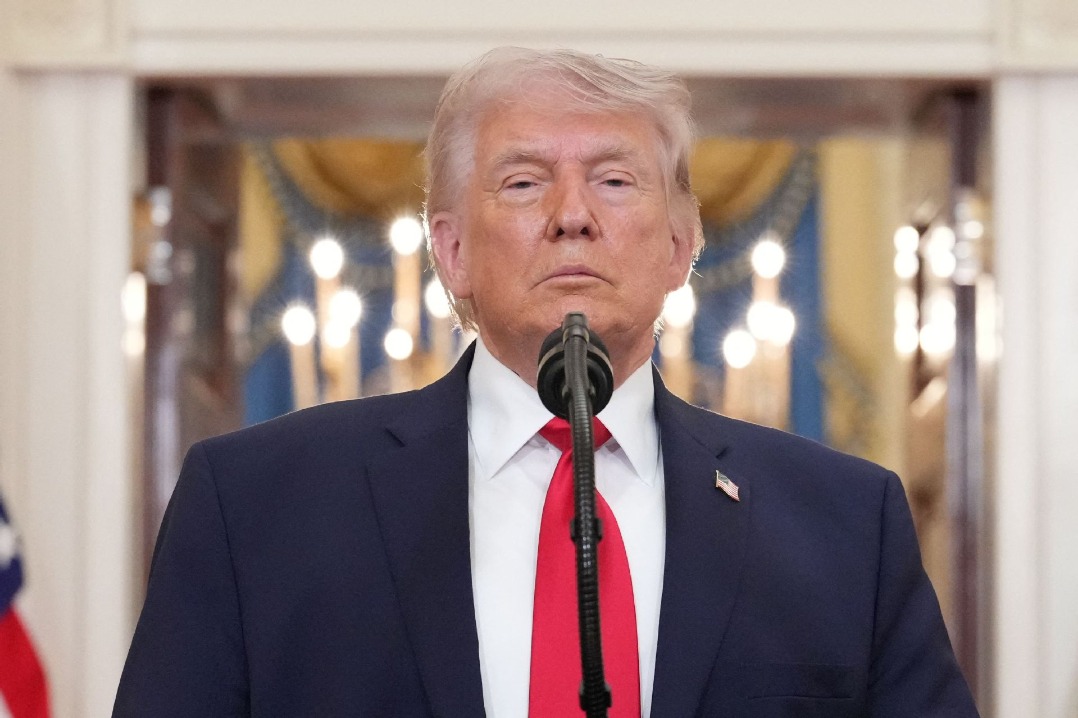
In a policy announcement that sent ripples through global pharmaceutical and trade circles, former U.S. President Donald Trump enacted a sweeping new executive order Thursday that imposes a full 100 percent ad valorem tariff on imports of specific patented pharmaceutical products and their associated active ingredients. The order frames the incoming imported medications as a potential threat to U.S. national security, a justification that echoes the Trump administration’s longstanding approach to trade policy centered on domestic industrial protection. The new tariffs are scheduled to go into effect starting at 1:01 a.m. Eastern Daylight Time on July 31, 2026, with a tiered structure that adjusts rates based on companies’ domestic manufacturing plans and existing U.S. trade relationships with partner nations.
Under the terms of the order, pharmaceutical companies that secure U.S. Secretary of Commerce approval for plans to shift production of the targeted products to onshore U.S. facilities – or those expected to finalize such plans imminently – will face a reduced 20 percent tariff in the initial phase. However, that preferential rate is temporary: the order mandates that the tariff will rise to the full 100 percent for these firms starting April 2, 2030. The policy also carves out differential rates for U.S. trade allies that have existing bilateral or regional trade agreements with the U.S. in place. Partners including Japan, the European Union, the Republic of Korea, Switzerland, and Liechtenstein will face a 15 percent tariff on the targeted imports, while the United Kingdom will see a lower 10 percent rate, reflecting its separate trade arrangement with Washington.
Notably, a range of critical pharmaceutical products have been granted full exemption from the new tariffs at this stage. Generic drugs, biosimilars, and their related manufacturing ingredients are excluded from the measure, alongside specialized niche treatments that include nuclear medicines, plasma-derived therapies, fertility treatments, and cutting-edge cell and gene therapies. This exemption carve-out suggests the policy is primarily targeted at branded patented products, rather than disrupting access to lower-cost generic or life-saving specialized care for U.S. patients. The announcement marks a significant shift in U.S. trade policy for the pharmaceutical sector, tying import access directly to domestic production commitments and leveraging national security framing to justify steep trade barriers.