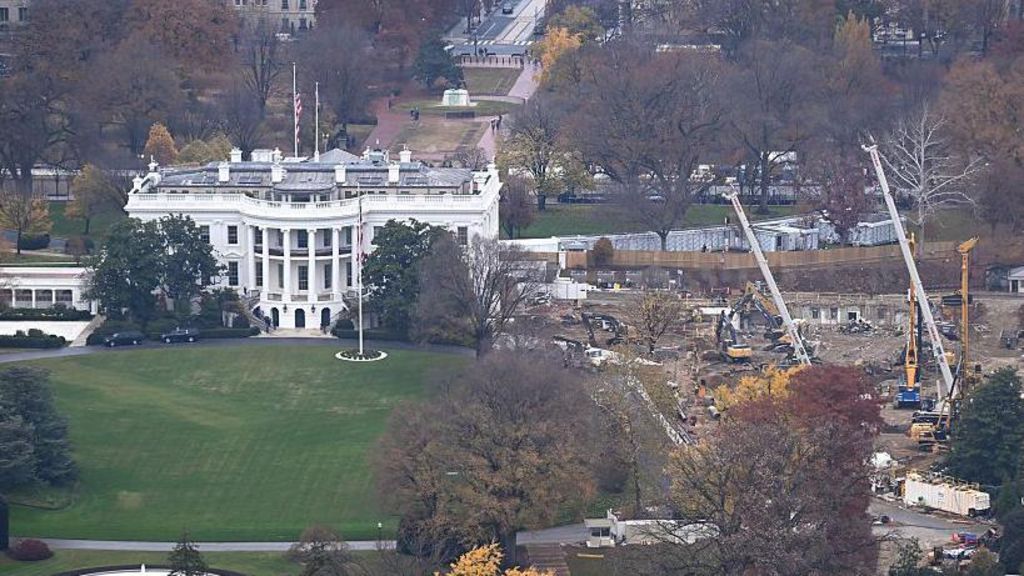
The White House has confirmed a significant leadership change in its ambitious ballroom construction project, with President Donald Trump appointing Shalom Baranes Associates to replace original architect James McCrery. This architectural transition follows reported disagreements regarding the scale and design vision for the multi-million dollar addition to the presidential residence.
The project, which necessitated the October demolition of the historic East Wing, has undergone substantial expansion since its initial conception. Originally planned as a 500-person capacity space, the blueprint has now evolved into a sprawling 90,000 square foot (8,360 square meter) entertainment venue capable of accommodating 1,350 guests. This dimensions notably surpass the White House’s residential quarters (55,000 sq ft) and the West Wing offices (40,000 sq ft), raising concerns about architectural proportionality.
While McCrery will maintain an advisory role as consultant, sources indicate his departure from lead architect position stemmed from concerns about the project’s overwhelming scale potentially diminishing the historical integrity of the presidential mansion. The Washington Post reported McCrery’s apprehension that alternative architectural leadership might produce inferior design quality.
White House spokesman Davis Ingle praised the appointment, stating: “Shalom is an accomplished architect whose work has shaped the architectural identity of our nation’s capital for decades. His experience will be a great asset to the completion of this project.” Ingle further characterized the ballroom as “the greatest addition to the White House since the Oval Office.”
The project faces regulatory hurdles requiring approval from the National Capital Planning Commission (NCPC) before construction commences. Concurrently, political opposition has emerged with Senator Richard Blumenthal introducing the “No Palaces Act” legislation. This bill would mandate NCPC approval before any future presidential administration could demolish historic federal structures, directly responding to the East Wing’s removal.
President Trump has asserted that the project is entirely funded through private donations and personal contributions, though conservation groups and political critics continue questioning both its oversight mechanisms and architectural appropriateness within the historic compound.