In an extraordinary break from protocol, Federal Reserve Chair Jerome Powell delivered an unscheduled video statement addressing what he characterized as “unprecedented” political pressure from the Trump administration. The appearance was so unusual that it initially raised concerns about potential AI deepfake manipulation among financial observers.
The core of the conflict centers on criminal indictments served to the Federal Reserve by the Department of Justice regarding Powell’s testimony on building renovations. However, Powell explicitly stated these charges represent mere “pretexts” in a broader campaign of administration pressure targeting the central bank’s independence.
“The threat of criminal charges is a consequence of the Federal Reserve setting interest rates based on our best assessment of what will serve the public, rather than following the preferences of the president,” Powell declared in his softly-spoken but firm address.
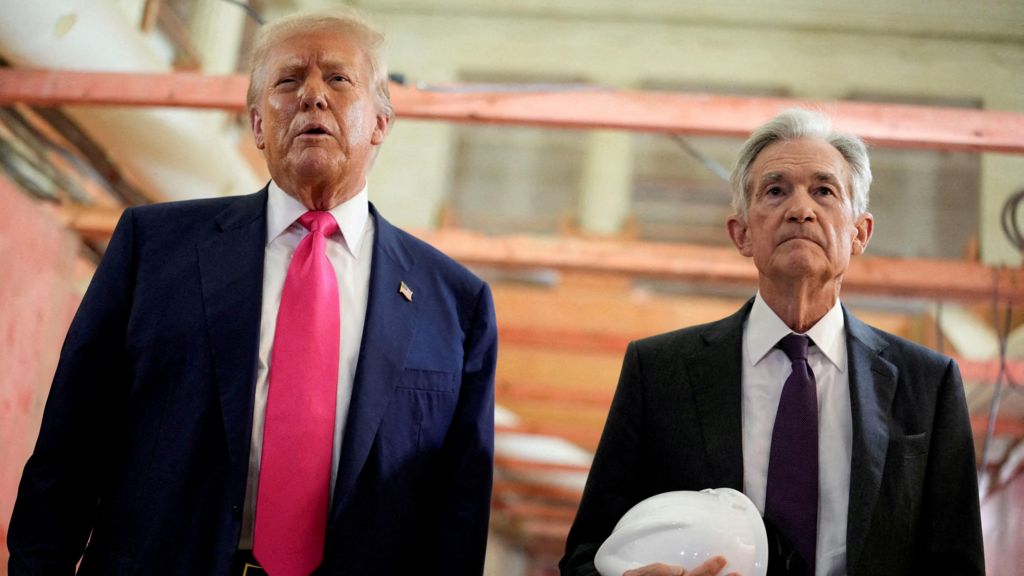
This confrontation reflects a prolonged tension between President Trump and the Fed chair, marked by presidential criticism of interest rate decisions, attempts to influence monetary policy through favored economist appointments, and even an unusual personal inspection of Fed renovation projects by Trump’s motorcade.
Powell framed the struggle as fundamental to global financial stability: “This is about whether the Fed will be able to continue to set interest rates based on evidence and economic conditions, or whether instead, monetary policy will be directed by political pressure or intimidation.”
The implications extend beyond U.S. markets, as Fed independence serves as the anchor for global financial stability. Analysts are watching Treasury markets closely for reactions to both Powell’s statement and the Justice Department’s actions. Some observers draw parallels to emerging economies like Turkey and Zimbabwe, where central bank independence has frequently succumbed to political pressure.
With Powell’s term concluding in May and potential replacement by a Trump-friendly economist looming, the stakes intensify. However, interest rate decisions remain committee-based rather than solely chair-dependent. Concerningly, some speculation suggests the administration might weaponize the Fed’s global market tools, including dollar swap lines, as leverage in tariff wars with allies—a move unlikely under Powell’s leadership.
This development occurs alongside other unprecedented actions, including militarized immigration enforcement, threats regarding NATO ally territory, and Supreme Court deliberations on the legality of Trump’s economic policies. Some Congressional Republicans are reportedly uncomfortable with this challenge to central bank independence, recognizing the Fed’s designed role as an alternative power center that “must speak truth to power.”
Market reactions reminiscent of the UK’s mini-budget crisis under Liz Truss remain possible, recalling how questions about central bank independence can trigger financial instability. The situation echoes April 2022, when chaotic tariff approaches disrupted global bond markets before stabilization efforts prevailed. The Powell confrontation could potentially trigger similar market consequences.