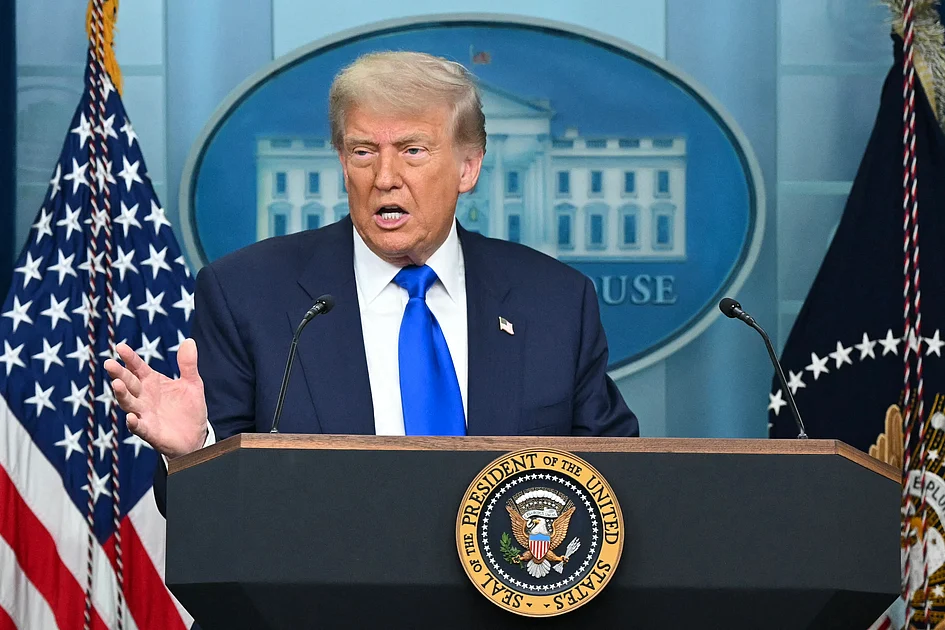
In a significant policy announcement, former U.S. President Donald Trump has publicly called for implementing a one-year cap on credit card interest rates at 10%, effective January 20, 2026. The declaration, made through his Truth Social platform, represents a revival of his 2024 campaign pledge that previously faced widespread skepticism from financial analysts.
Trump’s proposal emerges amid growing bipartisan concern in Congress regarding exorbitant credit card rates, though the announcement notably lacked specific implementation details or enforcement mechanisms. Financial experts immediately questioned the proposal’s feasibility, noting that such sweeping financial regulation would require congressional approval rather than executive action alone.
Legislative efforts to address high interest rates have already gained traction across party lines. Senators Bernie Sanders (I-VT) and Josh Hawley (R-MO) previously introduced bipartisan legislation seeking a five-year 10% rate cap, while Representatives Alexandria Ocasio-Cortez (D-NY) and Anna Paulina Luna (R-FL) proposed similar measures in the House. These initiatives reflect rare cross-aisle consensus on consumer financial protection.
Banking industry representatives responded with strong opposition, with major advocacy groups issuing a joint statement warning that artificial rate caps would reduce credit availability and push consumers toward unregulated lending alternatives. Major financial institutions including JPMorgan, Bank of America, and Citigroup declined to comment on the proposal.
Democratic lawmakers criticized Trump’s announcement as insufficient without concrete legislative action. Senator Elizabeth Warren (D-MA) dismissed the move as ‘begging credit card companies to play nice’ while noting Trump’s simultaneous efforts to dismantle existing consumer protections through the Consumer Financial Protection Bureau.
The proposal comes against the backdrop of the Trump administration’s successful legal challenge to the Biden-era $8 credit card late fee cap, which was overturned by a federal judge after business groups challenged its legality. This history of deregulation adds complexity to Trump’s current consumer protection stance.