The Trump administration’s recently unveiled National Security Strategy marks a profound transformation in American foreign policy philosophy rather than merely another periodic adjustment. This document formally institutionalizes a worldview that fundamentally challenges the core principles guiding U.S. grand strategy for the past thirty years.
While critics of America’s perpetual interventions and post-Cold War missionary zeal might find some appealing elements—such as the explicit rejection of permanent global domination and reduced emphasis on Middle Eastern conflicts—the strategy presents concerning contradictions. It distances itself from previous administrations’ approaches while embracing what analysts describe as ‘transactional nationalism’ combined with assertive hemispheric interventionism.
The strategy’s treatment of Europe represents an extraordinary departure from traditional diplomacy. It warns of Europe’s ‘civilizational erasure’ due to migration patterns and explicitly supports right-wing nationalist movements within allied nations—a stark contrast to previous administrations’ relationships with European partners.
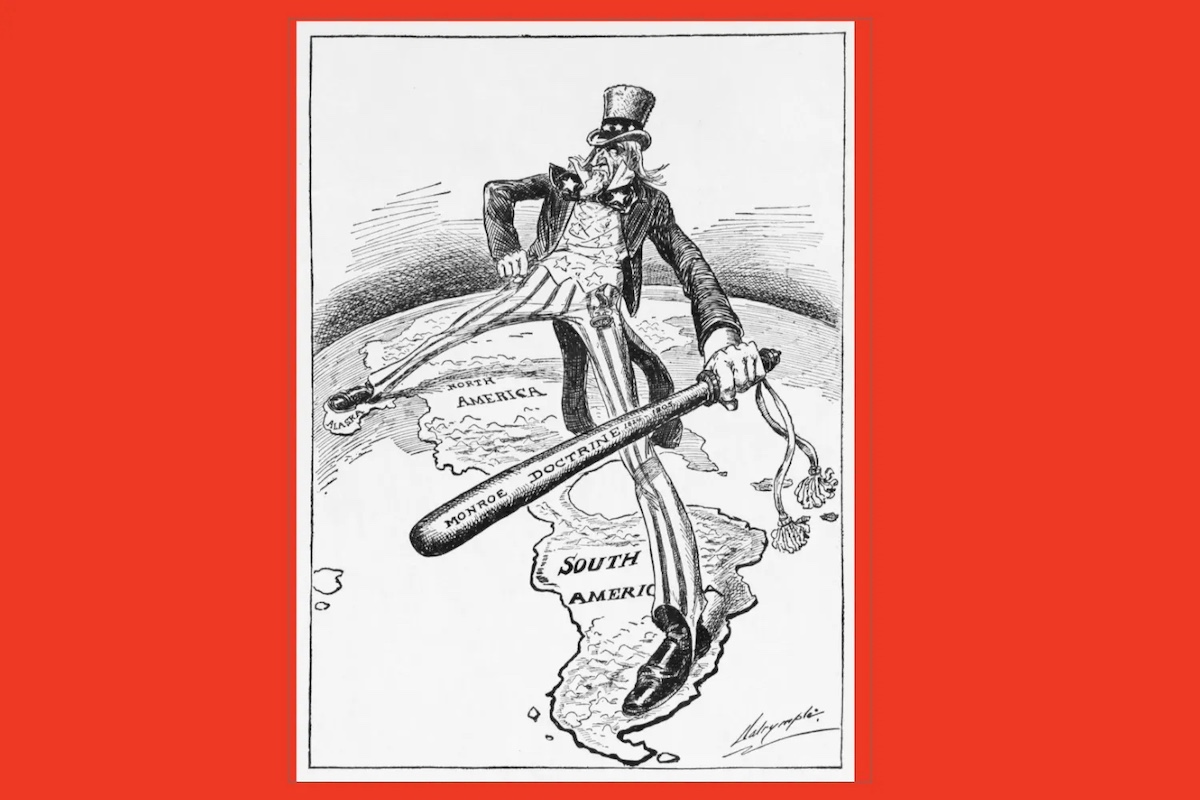
Perhaps most revealing is the articulation of a ‘Trump Corollary’ to the Monroe Doctrine, advocating military reorientation toward the Western Hemisphere, including potential lethal operations against drug trafficking and military buildup around Venezuela. This creates a fundamental contradiction: while criticizing past interventions, the administration proposes expansive military involvement in Latin America.
The document’s approach to China similarly breaks from recent bipartisan consensus, de-emphasizing strategic competition in favor of maintaining ‘mutually advantageous economic relationships.’ While potentially representing welcome realism, this shift appears driven more by immediate economic concerns than coherent long-term strategy.
Analysts note the strategy’s fundamental weakness lies in its nature as a collection of grievances rather than a coherent vision. It clearly identifies what it opposes—post-Cold War consensus, European policies, immigration, and unfair trade practices—but offers limited positive framework for international order.
The administration’s approach creates a dilemma for advocates of foreign policy restraint: while claiming to share skepticism about endless interventions, its execution contradicts non-intervention principles through military actions in the Caribbean and political interference in allied nations.
What emerges is not strategic restraint but strategic incoherence masked by nationalist rhetoric. America requires recalibration—reduced Middle East focus, better burden-sharing with allies, and more balanced trade relationships—but not at the cost of abandoning alliances, embracing civilizational politics, or reasserting hemispheric hegemony through military force.