The 2026 World Cup draw ceremony in Washington D.C. has become a stage for geopolitical theater, with President Donald Trump’s prominent involvement generating both celebration and condemnation. Held just one mile from the White House at the Kennedy Center—a venue whose board Trump recently overhauled—the event featured an unprecedented political dimension that critics argue compromises FIFA’s statutory commitment to political neutrality.
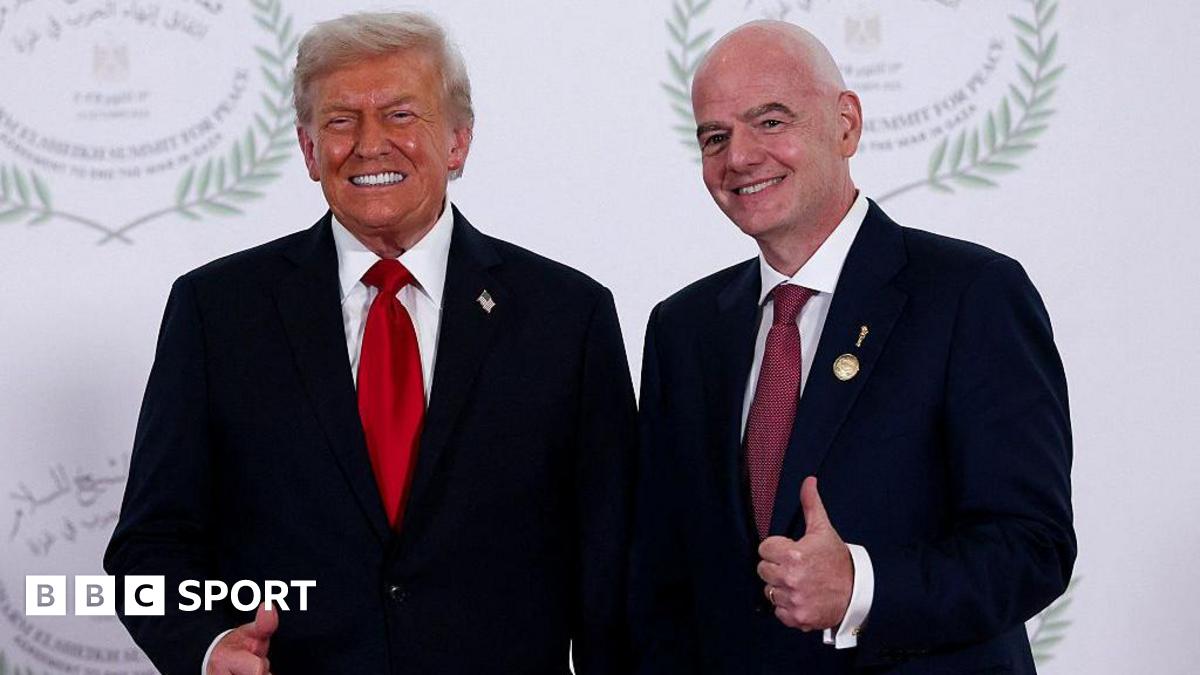
The ceremony’s programming appeared carefully tailored to the American president’s preferences, featuring a performance of Trump’s campaign rally favorite ‘YMCA’ by the Village People. Most controversially, FIFA President Gianni Infantino introduced a new Peace Prize award, widely expected to be bestowed upon Trump despite no prior consultation with the FIFA Council. This gesture cemented the increasingly visible alliance between the two leaders, which Infantino has vigorously defended while citing Trump’s involvement in Middle East ceasefires.
This relationship has drawn sharp criticism from within football’s governing bodies. UEFA delegates staged a walkout at a recent FIFA Congress, accusing Infantino of prioritizing ‘private political interests.’ The controversy extends beyond symbolism to practical concerns about Trump’s immigration policies, which threaten to affect World Cup participants and spectators from numerous countries. Iran has already announced a boycott of the draw due to visa restrictions for its delegation.
Further complicating matters, Trump has suggested potentially relocating matches from Democratic-led host cities over security concerns and made provocative statements about Mexico during World Cup planning discussions. Meanwhile, FIFA’s commercial ambitions for the tournament include an unprecedented 30% commission on ticket resales through its official platform, drawing criticism from fan groups who accuse the organization of exploiting supporters.
Despite these controversies, both leaders clearly view the World Cup as mutually beneficial. Trump gains an unparalleled global platform during his presidency and election campaign, while Infantino secures financial opportunities that could bolster his reelection prospects in 2027. The tournament represents what FIFA claims will be a $27 billion economic impact for the United States, though this comes alongside concerns about human rights and the politicization of the world’s most popular sporting event.