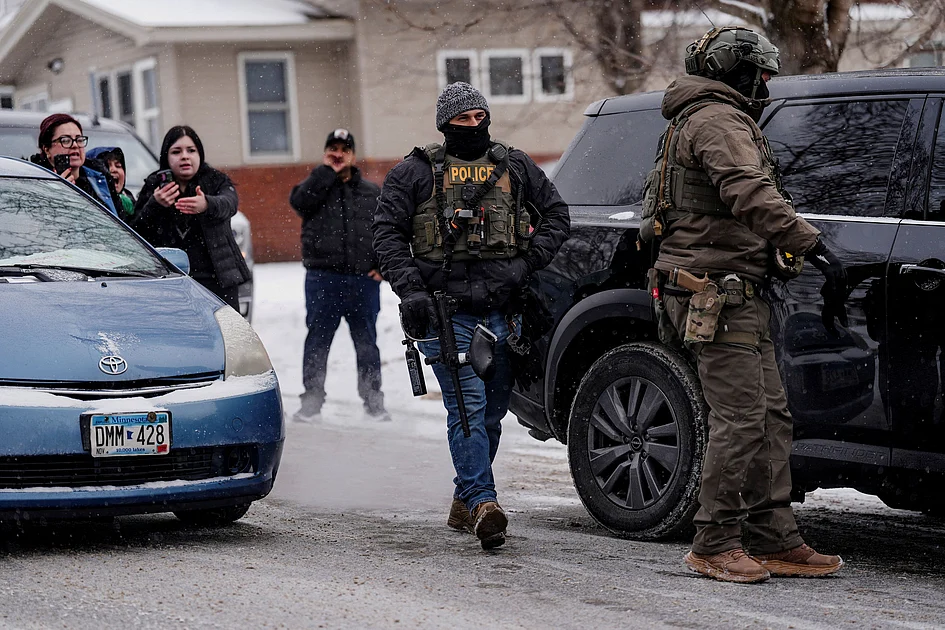
The Trump administration has formally initiated an appeal against a federal court order that imposed significant restrictions on the tactics employed by immigration enforcement officers during protests in Minneapolis. This legal maneuver comes in response to a judicial ruling that explicitly prohibited federal agents from arresting or using chemical munitions against peaceful demonstrators and observers.
The contentious court order, issued on Friday, emerged from a lawsuit filed against the Department of Homeland Security and related federal agencies on December 17. The litigation gained urgency following the fatal shooting of 37-year-old Renee Good by an immigration agent approximately three weeks after the initial filing, an incident that triggered widespread public demonstrations across Minneapolis.
In recent weeks, the administration has deployed thousands of Immigration and Customs Enforcement (ICE) personnel to the Minneapolis region as part of an intensified campaign to identify and deport individuals residing in the country without legal authorization. This substantial deployment has significantly heightened tensions between federal authorities and local communities.
The plaintiffs in the case comprised six protesters and observers who alleged constitutional rights violations through the aggressive tactics employed by ICE agents during enforcement operations. The judicial order specifically forbids federal officers from detaining individuals engaged in peaceful protest or documentation activities unless there exists reasonable suspicion of criminal activity or direct interference with law enforcement operations.
Additionally, the ruling expressly bans the deployment of pepper spray, tear gas, and other crowd-control munitions against non-violent demonstrators and bystanders who are merely observing or recording immigration enforcement actions. This legal development represents a significant check on federal immigration enforcement practices amid ongoing debates about appropriate law enforcement conduct during public demonstrations.