The Trump administration has executed a notable strategic pivot in its response to the fatal shooting of Alex Pretti by federal agents in Minneapolis, moving from its characteristic confrontational stance to a more measured approach as political tensions escalate.
Initially, officials deployed aggressive rhetoric characterizing the 37-year-old nurse as a ‘domestic terrorist’ and ‘would-be assassin.’ Homeland Security Secretary Kristi Noem claimed Pretti intended to ‘inflict harm’ while Border Patrol Commander Gregory Bovino described the incident as an attempt to ‘massacre law enforcement.’
However, as multiple video recordings surfaced contradicting the official narrative—showing Pretti filming agents with his phone and assisting a knocked-down woman before being pepper-sprayed—the administration’s position became untenable. The footage clearly showed Pretti unarmed when wrestled to the ground, though authorities later confirmed he legally carried a concealed firearm.
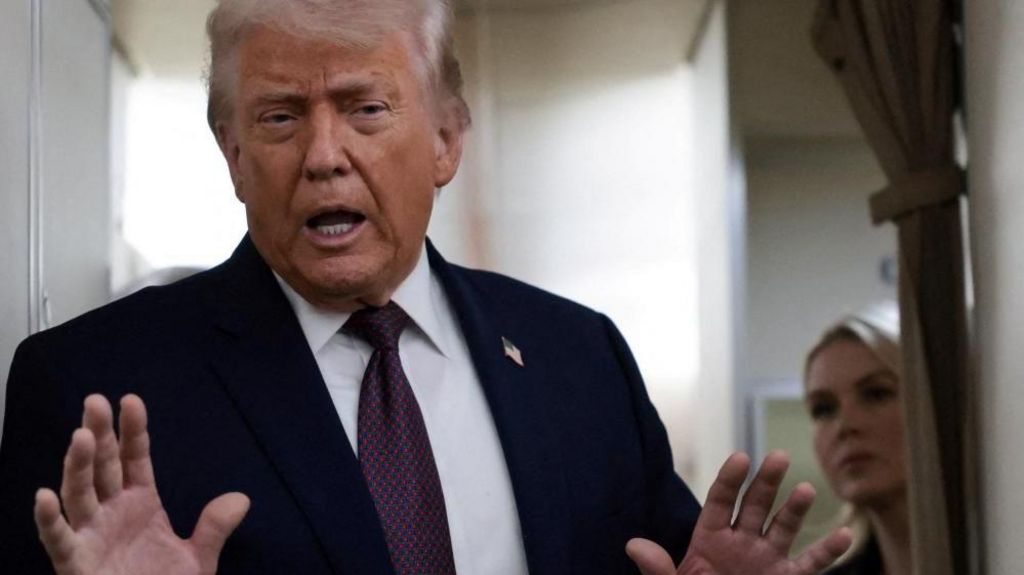
Facing mounting criticism from both political parties and deteriorating public opinion, the White House altered its communication strategy. President Trump labeled the incident ‘tragic’ on Truth Social while blaming ‘Democrat-ensued chaos,’ and dispatched former Obama administration official Tom Homan—considered a more moderate figure—to oversee operations in Minnesota.
The political ramifications continue to intensify as Senate Democrats now threaten to block Department of Homeland Security funding, potentially triggering a partial government shutdown. Republicans meanwhile express growing unease, with Vermont Governor Phil Scott condemning the federal response as ‘a complete failure of coordination’ at best and ‘deliberate intimidation’ at worst.
With recent polls indicating 61% of Americans believe ICE operates ‘too tough’ in detainments, and 58% disapproving of Trump’s immigration handling overall, the administration faces mounting pressure to recalibrate its approach while maintaining its enforcement priorities.