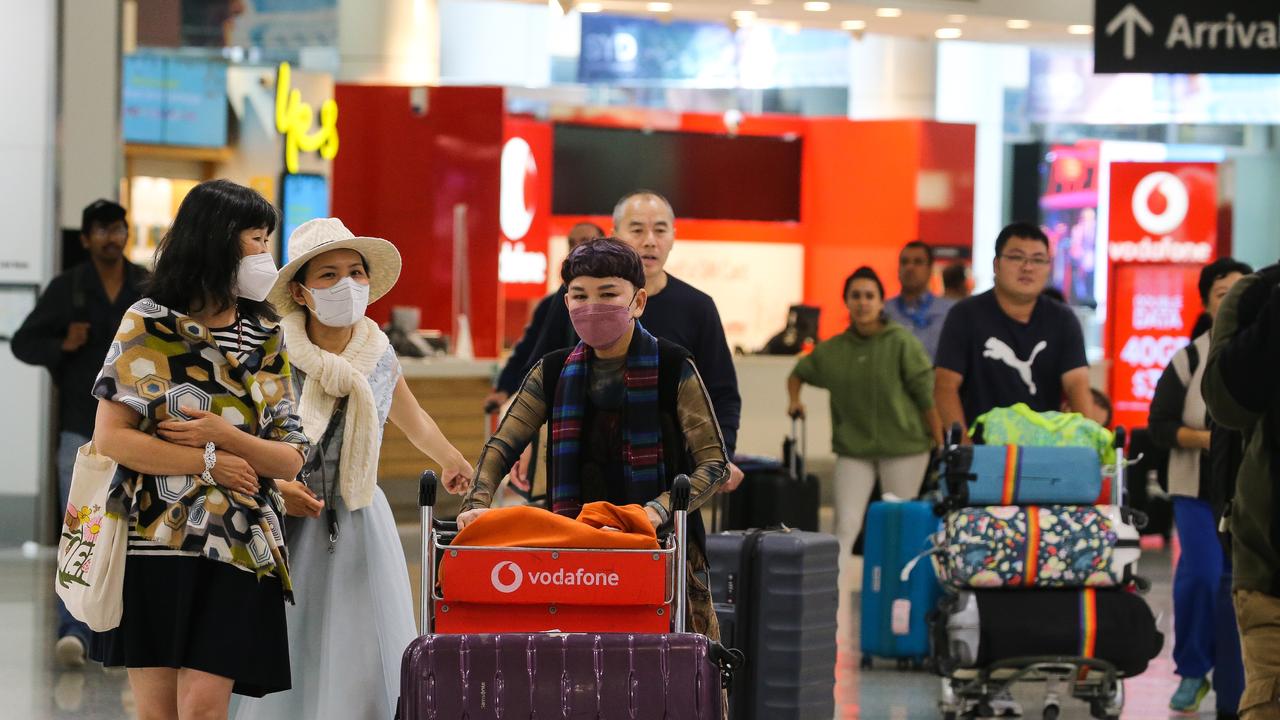
Australia’s independent body tasked with reviewing government migration and visa decisions is facing an unprecedented operational crisis, as surging appeals from rejected international student visa applicants have pushed caseloads to record levels amid ongoing political debate over the country’s immigration framework.
New figures revealed during a recent Senate estimates hearing on Tuesday lay bare the scale of the strain on the Administrative Review Tribunal (ART). In the 2024-25 financial year alone, the tribunal has already received 39,953 applications to review migration decisions, with the full-year projection hitting 46,653. Migration cases now account for 56% of the ART’s entire active caseload, making it the single largest category of work for the body.
Of these migration appeals, international student visa applications stand out as the biggest driver of growing backlogs. Principal Registrar Michael Hawkins AM confirmed to the hearing that student visa-related cases make up 35% of the ART’s total national caseload. By the end of April 2024, the tribunal had already received 24,545 student visa appeal lodgements, putting the full-year total on track to reach 32,202 across all student and study-related visa subclasses.
Hawkins explained that the ART has long prioritized processing protection visa cases, which cover asylum seeker claims, each of which requires two to three days of work per application. This focus, however, has left the growing volume of student visa appeals at risk of creating a persistent, long-term backlog. Even though individual student cases take roughly one day to process each, sheer volume has overwhelmed the understaffed body.
The ART has been grappling with chronic understaffing and resource gaps that compound the caseload pressure. While the tribunal is on track to finalize 60,000 total cases in the 2025-26 fiscal year, this falls short of its 68,000 completion target — and that outcome is only being achieved with 75% of its budgeted staffing levels. Forty-two new tribunal members are set to join the body by early July, but even after new hires start, the ART will still be short roughly 80 full-time equivalent positions. As of July 1, the tribunal will operate with 423 total members, equal to just 347.5 full-time roles, leaving a gap of 82 full-time staff.
Hawkins noted that the ART is currently prioritizing clearing cases that are more than three years old, a strategy that slows the overall rate of new case completions. “In short, we were budgeted for effectively 60,000 finalisations and we’ve got 90,000 new cases coming in, so we’re always accumulating a 30,000 backlog,” he told the hearing. As of the latest update, 77,938 cases remain waiting for a hearing across all of the ART’s portfolios.
Between the start of the 2024-25 financial year and the end of April, the ART finalised 18,717 migration application reviews, 18,259 protection visa cases, and more than 4,600 social security-related decisions. Hawkins also thanked Liberal Senator Michaelia Cash for her support in advancing regulatory reforms for the ART through the Senate, pointing out that outdated procedural requirements — including mandatory notice rules for applicants — are currently slowing down decision-making workflows. The revelations come as political tensions over Australia’s immigration policy continue to intensify on the national agenda.