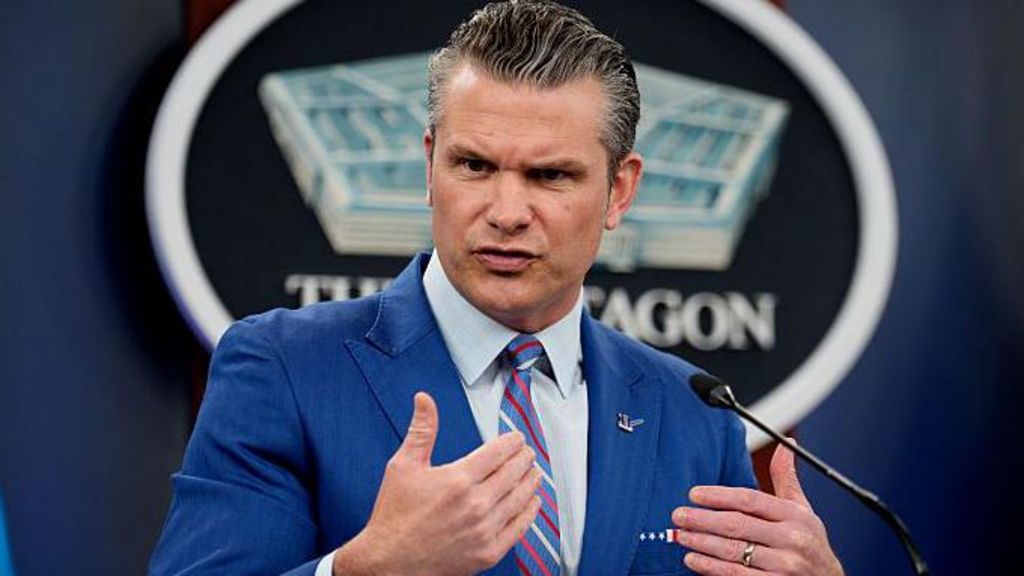
Several prominent US news organizations have publicly rejected a controversial new Pentagon policy that restricts journalists’ access to the Department of Defense unless they agree to report only officially authorized information. Major outlets such as The New York Times, The Washington Post, and CNN have refused to comply, arguing that the policy undermines press freedom and the public’s right to know. Reporters who fail to sign the agreement by 17:00 EST on Tuesday will be required to surrender their media credentials and vacate Pentagon facilities. Defense Secretary Pete Hegseth responded to the backlash on social media with a dismissive hand-waving emoji, signaling a stark departure from traditional press relations. The Trump administration defends the policy as necessary for national security, with Hegseth stating that ‘Pentagon access is a privilege, not a right.’ A memo outlining the changes, sent to reporters last month, mandates that all information, even unclassified, must be approved for public release by an authorized official. The Pentagon Press Association has criticized the policy as an unprecedented act of intimidation, warning that it stifles free speech and discourages unapproved interactions with the press. Other major media organizations, including The Associated Press, Reuters, and The Guardian, have also refused to sign the agreement. In a joint statement, ABC News, CBS News, CNN, Fox News Media, and NBC News emphasized their commitment to covering national security issues without compromising journalistic independence. The new 21-page policy document imposes strict requirements, including pre-approval for military personnel to share information with the media. While journalists are not explicitly barred from reporting on unclassified information, they risk being labeled a ‘security or safety risk’ if they disclose such information without Pentagon clearance. The policy has sparked widespread criticism, with many viewing it as an escalation of restrictions on press access under Hegseth, who has faced scrutiny for his handling of sensitive information in the past.
Top US news outlets push back against Pentagon’s reporting restrictions