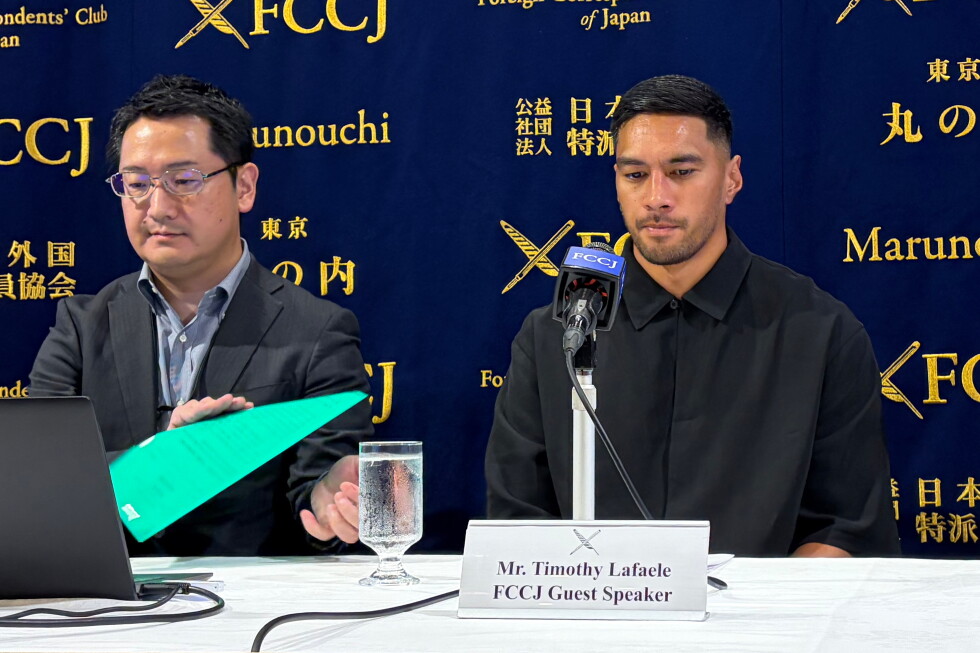
Japan, a nation that has embraced foreign-born athletes to grow its rugby profile over the past decades, is now facing a bitter controversy over sweeping new eligibility rules that have upended the careers of dozens of naturalized players. Among those at the center of the dispute is Timothy Lafaele, a Samoan-born rugby star who moved to Japan at 18, built his entire professional life in the country, earned Japanese citizenship, and earned 28 caps for Japan’s men’s national rugby team. Lafaele was a key part of Japan’s legendary 2019 Rugby World Cup upset over Ireland, a victory that remains one of the most iconic moments in Japanese sports history, when the host nation’s unexpected run shocked global rugby audiences.
But when Japan’s top-tier domestic competition, Japan Rugby League One, kicks off its new season in December 2024, Lafaele and dozens of other foreign-born, Japanese-citizen players will be reclassified as foreign athletes under new eligibility regulations proposed by Japan’s rugby governing body. The new rules mandate that to count as a domestic player eligible for unrestricted game time, athletes must have completed at least six years of primary and lower secondary education in Japan over a nine-year period. For players who moved to Japan as young adults, even those who have lived, worked, and raised families in the country for decades, this requirement automatically bars them from domestic classification.
As a result, domestic squads will now be required to prioritize Japan-born players for roster spots, severely limiting available opportunities for athletes like Lafaele, casting deep uncertainty over their continued careers in the Japanese league they helped build. Currently, 24 affected players have filed a pending lawsuit against the rugby governing body in multiple Japanese courts, represented by Tokyo-based lawyer Seiji Makino. At a press conference held Thursday at the Foreign Correspondents Club of Japan in Tokyo, both Makino and Lafaele publicly outlined their case, calling on officials to reverse the rule change before the season opener, either through court action or negotiated settlement.
“This is a very simple story,” Makino told reporters. “It is about players who built their lives and careers in Japan under one set of rules and are now having the ground moved from under their feet.”
For Lafaele, the rule change was entirely unexpected. “It came out of the blue,” he said. The star player declined to comment on any potential connection to Japan’s shifting national political debate around immigration, nor would he discuss details of how the change has impacted his current playing contract. But he did not hold back on describing the emotional impact of the new classification.
“It quite saddens us. To come to Japan, having given so much to the rugby here and the community and being treated this way. It just saddens us,” Lafaele said. “Insulted is a strong word as well, but to me, when this first rule came I did feel insulted.”
Of the 24 plaintiffs in the case, only five have agreed to be publicly named, as most fear professional retaliation for speaking out against the governing body. When asked whether he believed racial bias was a core factor driving the new regulations, Makino said he did not view the dispute as rooted in racism.
The controversy comes against a backdrop of shifting national immigration policy in Japan, where Prime Minister Sanae Takaichi has pushed for stricter controls on foreign immigration amid growing public anxiety about the country’s demographic shift. As Japan’s population rapidly shrinks, policymakers have been under pressure to expand foreign labor to fill critical workforce gaps, but many ordinary Japanese citizens, grappling with stagnant wages and soaring living costs, have voiced growing opposition to increased immigration.
The past few months have been an extremely stressful period for the affected players, Lafaele explained. “Some players are forced into retirement. Some players are just waiting at home at the moment for this decision to change so they can have the opportunity to provide for their families and get playing contracts. It’s been a tough time for most of the players.”
Japanese rugby officials have defended the new rules, arguing that the pool of homegrown Japan-born players is shrinking, and limiting foreign-born players’ roster access will help grow the domestic talent pipeline. Lafaele says he understands the goal of nurturing homegrown talent, but he is skeptical that restricting eligibility for naturalized players will deliver that outcome.
“I don’t think kids will look at this competition and say ‘there are too many foreigners, I’ll stop playing,’” Lafaele noted. “I see both sides of it. I see where the Japanese boys are coming from. They see it as more opportunities for them to play.”
Global sports governing bodies have a long history of adjusting eligibility rules, often to gain a competitive advantage or meet commercial needs, but rule changes that reclassify already established players almost always face significant pushback from affected athletes.