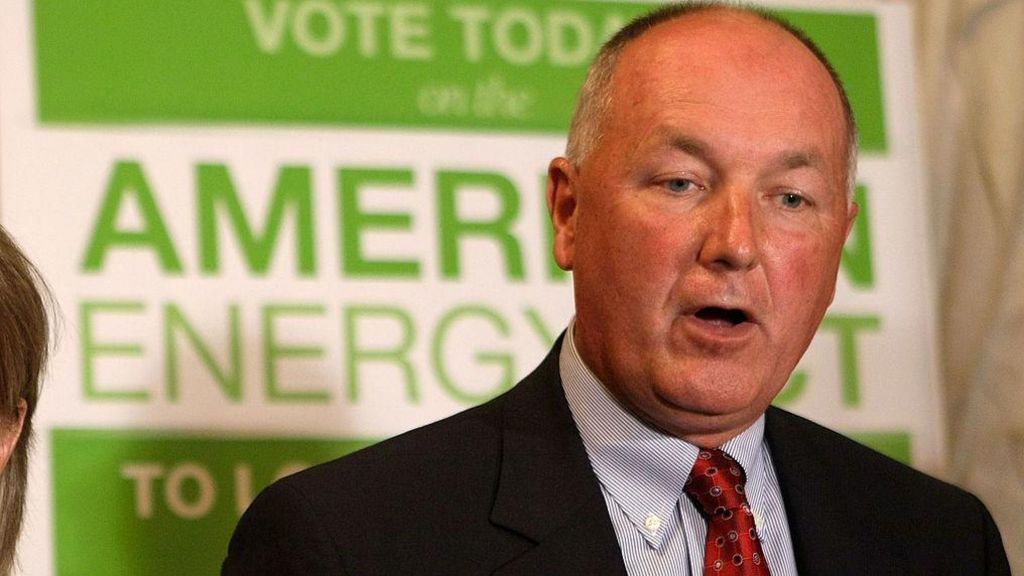
A grassroots petition demanding the expulsion of the U.S. Ambassador to Canada, Pete Hoekstra, has garnered more than 60,000 signatures from Canadian citizens, amplifying growing public anger over what signatories frame as unacceptable interference in the country’s domestic politics amid high-stakes bilateral trade negotiations.
Launched by a Calgary-based resident, the online document accuses Hoekstra, a known Republican ally of former U.S. President Donald Trump, of repeatedly inserting himself into Canadian political debates. A core grievance highlighted in the petition is Hoekstra’s role in normalizing Trump-era rhetoric that framed Canada as a potential 51st U.S. state, a threat that many Canadians see as a fundamental violation of national sovereignty. The petition also raises alarm over unapproved meetings between U.S. State Department officials and separatist activists from Alberta, a province that has long had internal tensions with the federal Canadian government, calling those meetings a deliberate intrusion into Canada’s internal affairs. Beyond calling for Hoekstra’s immediate removal from his diplomatic post, the document demands a formal parliamentary inquiry into broader patterns of U.S. diplomatic interference in Canadian domestic politics.
This high-profile public push comes at a critical moment, as Canadian and U.S. trade negotiators race to broker a last-minute agreement before new sweeping U.S. tariffs on Canadian goods go into effect next Wednesday. The tariffs, proposed by Trump last month, would impose a 50% levy on an estimated $20 billion to $28 billion worth of Canadian exports, retaliation for what Trump claims is unfair treatment of U.S. cars, dairy, and alcohol in cross-border trade. Canadian Prime Minister Mark Carney has already issued a stark warning that Canada will implement reciprocal retaliatory measures if the tariffs are enforced, raising the stakes for both sides to reach a compromise. Canadian media outlets have reported that an interim deal could be finalized in the coming days, though negotiations remain tense.
Hoekstra’s tenure in Ottawa has been marked by repeated controversy, far from the quiet diplomacy expected of a cross-border envoy. He has openly defended Trump’s aggressive trade policies, framing them as critical to protecting U.S. national economic security and prosperity, while also acknowledging that the bilateral U.S.-Canada relationship is irreplaceably important. Past controversies include a public clash with Ontario’s top trade representative, widespread backlash after he reposted Trump’s 51st state comment and told reporters that the idea was a “great discussion to be had” for leaders of both countries, and criticism last year for inviting a prominent leader of the 2022 Freedom Convoy protest movement to the U.S. embassy’s official Fourth of July celebration. More recently, Hoekstra has publicly called out Canadian political rhetoric as “anti-American” and repeatedly pushed back against provincial policies that removed American alcohol from retail store shelves, a dispute that has become a major sticking point in the ongoing trade negotiations.
When contacted by the BBC, a spokesperson for the U.S. Embassy in Ottawa confirmed that embassy leadership was aware of the petition but declined to provide any further comment. The petition is set to be formally tabled in the Canadian House of Commons later this year by Elizabeth May, leader of Canada’s Green Party, and the BBC has reached out to May’s office for additional comment on the effort.
Under existing House of Commons rules, any petition submitted by a Canadian resident that is approved by a sitting member of parliament is published on the parliament’s official website. If a petition gathers at least 500 valid signatures, it must be formally presented to the full chamber and requires an official written response from the Canadian federal government. While most parliamentary petitions only draw a few hundred signatures and gain little public attention, this initiative far surpassed the threshold by Wednesday morning, amassing more than 100 times the required number of signatures to force formal parliamentary consideration. The unprecedented level of public support for the petition reflects deep-seated Canadian public frustration with U.S. policy toward the country at a time of unprecedented strain on the decades-long bilateral trade and security relationship.