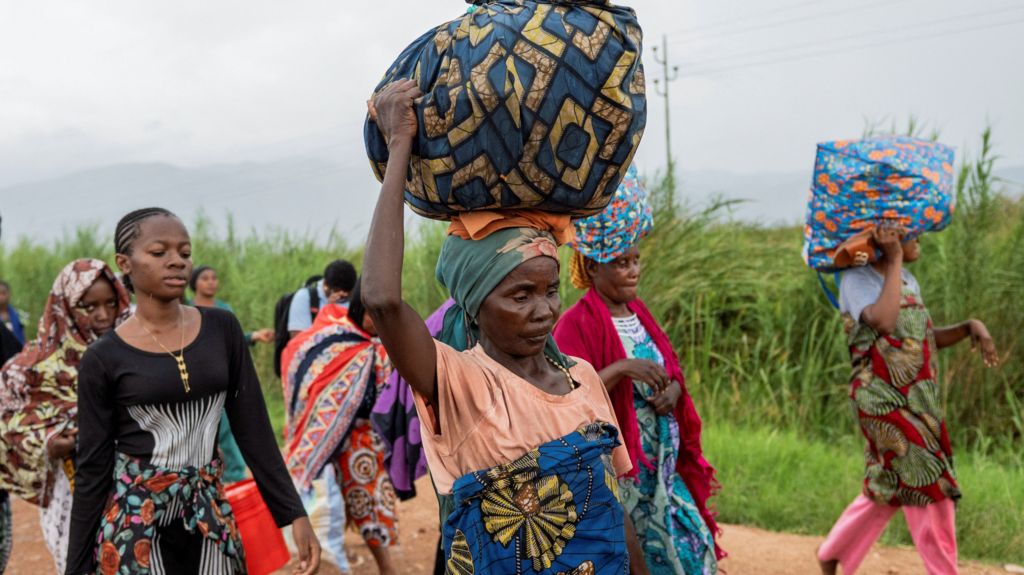
A severe humanitarian emergency is unfolding in Burundi as nearly 90,000 refugees from the eastern Democratic Republic of Congo endure catastrophic living conditions following renewed violence. Aid organizations report these displaced populations are crammed into overcrowded camps with critically insufficient access to food, clean water, and medical services.
The crisis erupted when M23 rebel forces captured the strategic border city of Uvira in early December, triggering mass displacement throughout South Kivu province. While rebels claim to have withdrawn from the area under international pressure, Congolese authorities contest these assertions, leaving the security situation volatile.
Medical charity Médecins Sans Frontières (MSF) has been providing emergency medical care, treating approximately 200 patients daily at their facilities in northwest Burundi. Project coordinator Zakari Moluh described heartbreaking scenes: “We witness people in states of profound distress, despair and exhaustion. Our teams have assisted women who gave birth during their escape, with some delivering in our clinics.”
The UN Refugee Agency (UNHCR) confirms particularly vulnerable groups include children, pregnant women, and nursing mothers, with many reporting days without adequate nutrition. MSF has raised alarms about potential disease outbreaks, warning of heightened risks for cholera, measles, and catastrophic increases in malaria cases among the weakened population.
Concurrently, the World Food Programme (WFP) is scaling up life-saving assistance to reach over 210,000 of the most vulnerable displaced individuals. The agency reports approximately half a million people have been forced from their homes in South Kivu since December began. WFP is currently providing hot meals to 71,000 new Congolese arrivals in Burundian transit centers.
The humanitarian situation is compounded by the near-collapse of essential services throughout the province. Health facilities have been systematically looted, medical supplies are unavailable, and educational institutions remain shuttered. WFP has issued urgent appeals for additional funding to sustain food assistance programs through the next quarter.
This recent capture of Uvira represents an expansion of M23’s territorial control in eastern DRC, building upon previous seizures of major urban centers including Goma and Bukavu. The conflict continues despite US-brokered peace agreements between Congolese and Rwandan governments, with Washington accusing Kigali of supporting the rebel group—allegations Rwanda denies.
The M23 rebels, while not signatories to the US-mediated agreement, have participated in parallel peace negotiations facilitated by Qatar, a US ally maintaining strong diplomatic ties with Rwanda.