As Sweden prepares for its critical September 13 general election, climate policy has emerged as one of the most contentious electoral issues, with a massive cross-sector demonstration set to bring thousands of protesters to the streets of Stockholm this Sunday. Organisers and law enforcement project that roughly 10,000 attendees will join the march, which boasts an unprecedented level of participation from more than 200 diverse non-governmental organisations and community groups.
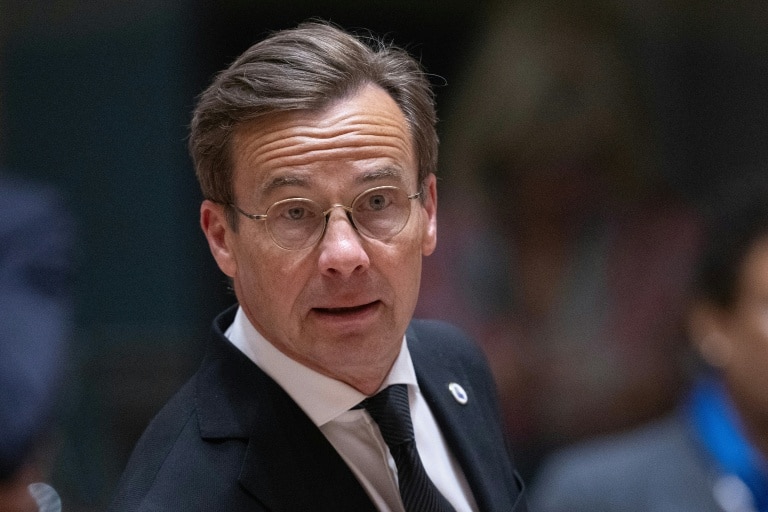
The protest is targeted at the right-wing government led by Prime Minister Ulf Kristersson, which has faced growing backlash over its rollback of climate regulations since taking office in 2022. Backed by the populist Sweden Democrats party, Kristersson’s administration has cut national petrol taxes and weakened mandatory blending requirements that force fuel suppliers to include low-carbon biofuels in their products. Most notably, the government rejected key recommendations from an independent, government-appointed climate commission that would have advanced Sweden’s decarbonisation goals, including a planned phase-out of fossil fuels through gradual tax increases on petrol and diesel.
Climate scientists and policy experts both within Sweden and across the globe have repeatedly sounded the alarm that these policy rollbacks put the country’s legally binding emissions reduction targets at serious risk. Sweden has committed to cutting transport sector carbon dioxide emissions by 70% from 2010 levels by 2030, and reaching economy-wide net-zero greenhouse gas emissions by 2045 — targets analysts warn are now out of reach under the current government’s framework.
Beatrice Rindevall, head of the Swedish Society for Nature Conservation, one of the lead co-organisers of the Sunday demonstration, framed the protest as a direct response to both government inaction and the growing climate impacts already visible across Europe. “The climate crisis is very real, and it is here,” Rindevall said in a pre-rally statement, pointing to the record-breaking, devastating heatwaves that swept across the continent this summer as urgent proof of the need for immediate action. “It is time to put in place a climate policy that reduces emissions right now.”
Rindevall noted that the scale of organisational backing for the rally is a historic milestone for Swedish climate activism. “Never before have so many organisations taken part in a Swedish climate demonstration,” she said. “The commitment is massive.” Participating groups span a wide range of Swedish society, including climate researchers, youth climate collectives, sports associations, national trade unions, outdoor recreation and rural advocacy groups, religious communities, and human rights organisations.
Recent polling confirms that climate action is a top priority for Swedish voters heading into the September election. A Verian survey published Thursday by public broadcaster SVT found that 37% of respondents ranked climate as their number one electoral issue, placing it fifth behind only healthcare, education, crime, and elder care. Currently, Kristersson’s right-wing governing bloc trails opposition parties in national opinion polls.
In defending its policy agenda, the Kristersson administration has argued that a faster phase-out of fossil fuels would damage Sweden’s economic competitiveness and harm the profitability of domestic companies. The government maintains that decarbonisation must proceed at a gradual pace to protect economic growth and employment.