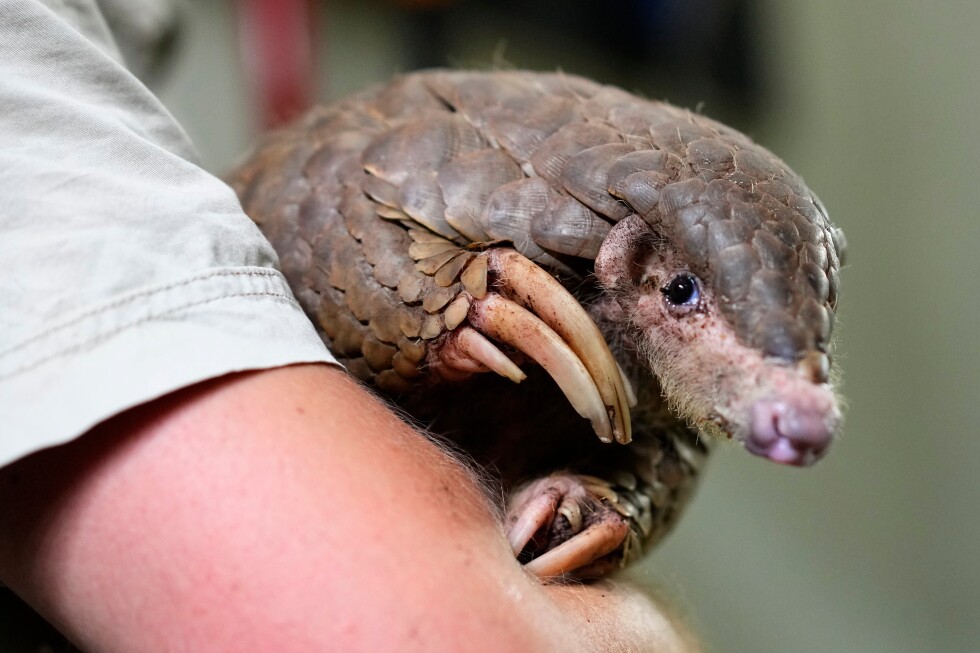
CAPE TOWN, South Africa — On World Pangolin Day, conservationists are sounding the alarm about the critical endangerment of pangolins, the distinctive scaly anteaters native to Africa and Asia that have earned the grim distinction of being the planet’s most trafficked mammals.
According to a recent CITES (Convention on International Trade in Endangered Species) report, these unique creatures surpass all other mammals in illegal wildlife trade metrics. Between 2016 and 2024, authorities intercepted over half a million pangolins in anti-trafficking operations worldwide. The World Wildlife Fund estimates that more than one million pangolins were removed from their natural habitats during the past decade, including countless undetected cases.
The trafficking surge is primarily driven by high demand for pangolin scales in Asian markets, particularly China, where they are ground into traditional medicine despite lacking scientific validation for therapeutic properties. These scales consist of keratin—the same protein found in human hair and nails—yet command exorbitant prices due to unfounded beliefs about curing various ailments. While pangolin meat is considered a delicacy in some regions, the scale trade remains the primary economic motivator for poachers.
Of the eight known pangolin species (four African, four Asian), all face severe extinction threats classified as high to extremely high. Their remarkable biological defenses—including overlapping keratin scales that form impenetrable armor when rolled into a ball—prove ineffective against human predation. Unlike charismatic megafauna such as elephants or tigers, pangolins lack widespread conservation recognition despite their ecological uniqueness, including tongues that extend nearly their entire body length to capture insects.
Although some reports suggest reduced trafficking since the COVID-19 pandemic, conservationists warn that poaching continues at alarming rates across Africa. Nigeria has emerged as a global trafficking hotspot, prompting wildlife veterinarian Dr. Mark Ofua to establish rescue operations and a pangolin orphanage in Lagos. Through youth education programs and celebrity engagement initiatives, Ofua aims to raise awareness about these critically endangered mammals, noting that many Nigerians cannot even identify native pangolin species—a fundamental barrier to effective conservation.