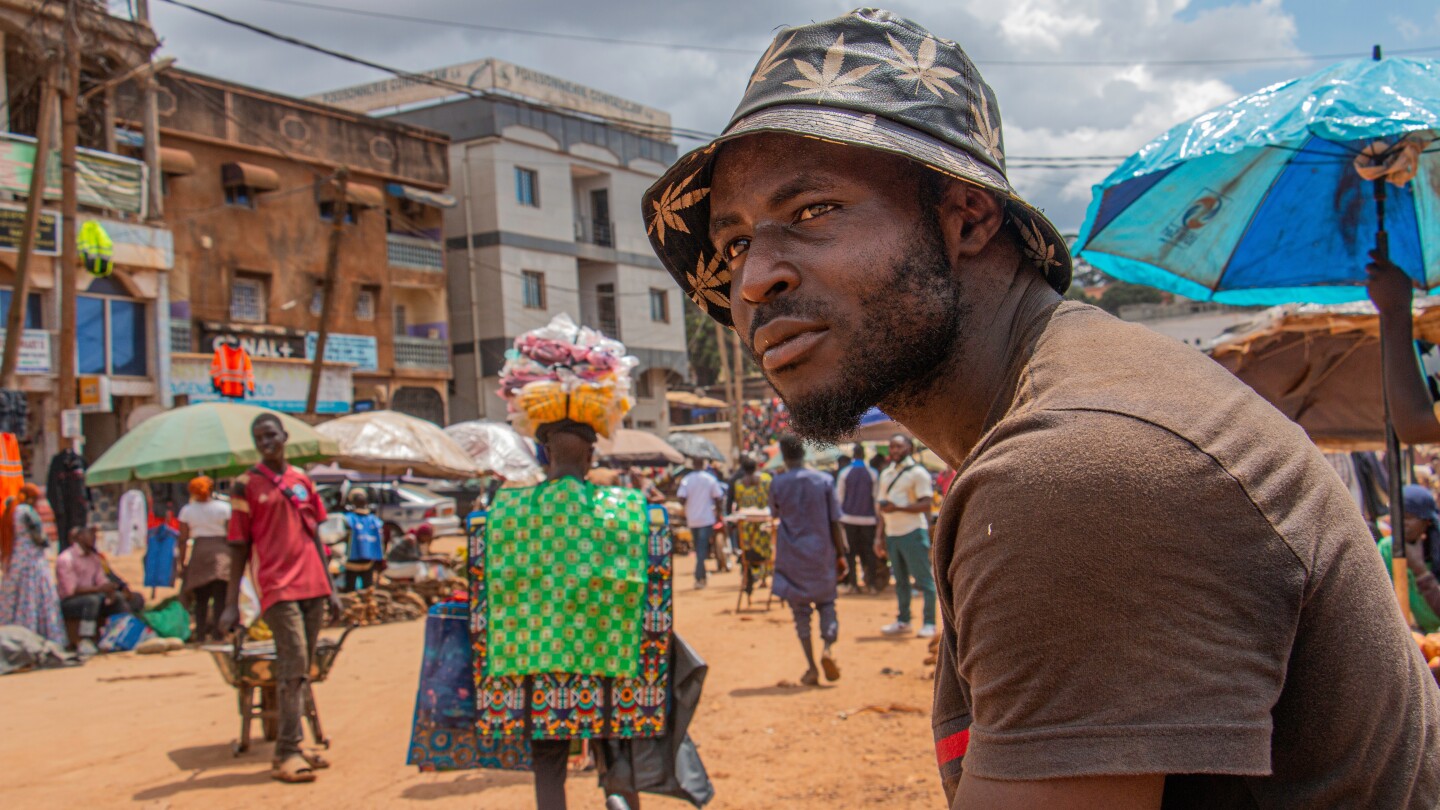
In Cameroon, a nation where the median age is 18, the generational divide between its youthful population and its aging leadership has never been more pronounced. As the country prepares for its presidential election, 92-year-old Paul Biya, the world’s oldest president, is seeking an eighth term in office. Biya, who has ruled Cameroon for over four decades, faces widespread disillusionment among the youth, who accuse the education system of corruption and the political system of favoring the elite. Elvis Nghobo, a 34-year-old market vendor in Yaounde, exemplifies this frustration. After failing to gain admission to multiple professional schools, he blames the system for his struggles and has decided not to vote, calling the election results a foregone conclusion. Nghobo’s sentiment is echoed by millions of young Cameroonians who feel excluded from the country’s modest economic growth and are grappling with unemployment and informal employment. Despite being an oil-producing nation, Cameroon’s youth say the benefits of economic growth have not reached them. The country also faces escalating security crises, including a secessionist conflict in the English-speaking western region and Boko Haram insurgency in the north. Biya is challenged by nine opposition candidates, including former allies, but critics argue the opposition lacks credibility. Maurice Kamto, a prominent opposition figure, was barred from running, further fueling skepticism about the electoral process. Analysts suggest that Cameroon’s elites are unwilling to disrupt the status quo, with Biya’s entourage and ruling party ensuring his continued dominance. As the election approaches, many young Cameroonians, like Nghobo, have lost faith in the ballot box, believing that power change will require alternative means.
The world’s oldest president seeks an eighth term in Cameroon as youth grumble