As the 2026 FIFA World Cup, the largest men’s edition in the tournament’s 92-year history, prepares to kick off its tournament cycle with co-hosts Mexico, the United States, and Canada, a stark geographic irony plays out just to the south. Central America, a region where football is not just a pastime but a cultural thread woven into every corner of daily life – where children chase worn balls across dust-strewn neighborhood pitches and a single national team victory can freeze entire cities in celebration – will once again be relegated to the sidelines. Only one nation from the region, Panama, has qualified for the 2026 tournament, and more significantly, not a single match will be played on Central American soil. Economists and sports policy analysts agree this exclusion is unlikely to change any time soon, and the barrier has nothing to do with the quality of the region’s football and everything to do with FIFA’s costly hosting model.
The economics of modern World Cup hosting have priced out most small, developing nations, and Central America is no exception. As FIFA’s flagship event has grown into a multibillion-dollar commercial enterprise, the upfront costs of staging the tournament have surged far beyond the fiscal capacity of countries in the region, where poverty rates reach as high as 50% in some nations. Central America not only lacks the extensive network of modern stadiums, intercity transport links, and hospitality infrastructure FIFA mandates, but it also cannot cover the billions in upfront investment the governing body requires of all host nations.
Sports economists point to FIFA’s hosting structure as the core barrier. Unlike major event organizers that contribute to host infrastructure, FIFA covers none of the construction or upgrade costs required to meet its strict standards, even as it pulls in billions in revenue from broadcasting rights, corporate sponsorships, and commercial partnerships. FIFA’s binding Host City Agreements place 100% of the financial risk on local hosts, requiring cities to cover all expenses related to hosting and waive all rights to liability claims against the governing body. In return, FIFA only provides minimal compensation: nominal stadium rental fees and prize money distributed to participating national teams, which does nothing to offset the cost of building new roads, expanding airports, or upgrading broader public infrastructure. Per city, infrastructure, security, and logistical costs alone range from $100 million to $200 million.
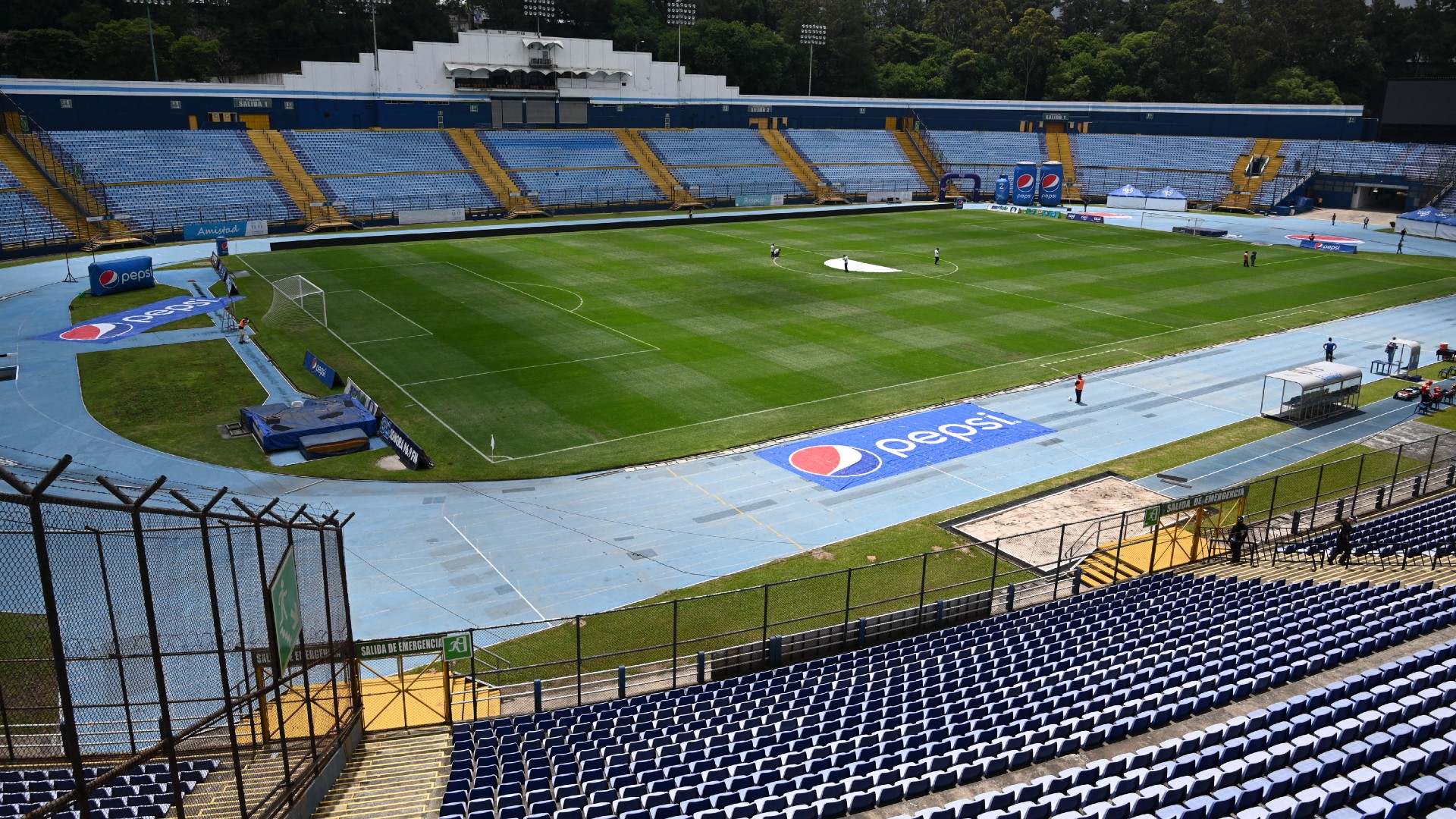
FIFA’s strict venue requirements only compound the challenge. The governing body mandates a minimum of 14 stadiums with seating capacities of at least 40,000, paired with thousands of quality hotel rooms, dedicated training facilities, and logistics networks capable of handling hundreds of thousands of international visitors. In all of Central America, just one venue – Costa Rica’s national stadium – comes close to meeting these standards, and it alone cannot support the scale of the modern World Cup. Beyond infrastructure, regional political and economic fragmentation adds another layer of difficulty: while Costa Rica and Panama have higher average incomes than their neighbors, coordinated cross-national hosting bids face significant political and financial coordination hurdles. For any individual nation, the price tag is also politically unpalatable: as democratic states, large-scale infrastructure spending for a World Cup requires broad public support, which is hard to secure when social spending on healthcare, education, and poverty reduction is already stretched thin.
Even if Central American nations could scrape together the required funding, economists widely warn that hosting a World Cup makes little financial sense for developing countries, pointing to a long track record of poor returns on investment. The 2022 Qatar World Cup, the most expensive in history, cost an estimated $220 billion in infrastructure spending, while the International Monetary Fund calculated total economic returns from tourism and related revenue at just $2.3 billion to $4.1 billion – a fraction of the upfront cost. Brazil’s 2014 World Cup offers another cautionary tale: the tournament cost $15 billion, including $3.6 billion for 12 new or renovated stadiums. Tourist revenue from 4 million visitors covered only a tiny share of the total cost, and Moody’s projected the total economic stimulus over a full decade would amount to just $11.1 billion, equal to a 0.4% increase in national GDP. Many of Brazil’s large new stadiums became white elephants after the tournament, with 50,000-seat venues handed to low-tier fourth-division clubs that draw an average of just 1,500 fans per match, leaving local governments stuck with ongoing maintenance costs.
While some analysts argue large global tournaments deliver intangible benefits – such as increased social cohesion, new trade connections, and global visibility for host nations – those gains are rarely enough to offset the massive financial burden. “There is at least some evidence, although I think it’s pretty weak, that big events like the World Cup bring people together in a way that later causes business leaders to come together, allowing for future trade negotiations and other things,” explained Victor Matheson, a renowned sports economist at Massachusetts’s College of the Holy Cross, in an interview with Middle East Eye. “If you have a South African World Cup and Costa Rica is in it, you see at least some increase in bilateral trade between South Africa and Costa Rica that you don’t see with otherwise similar countries like Honduras or Nicaragua. But that doesn’t make it right.”
The 2026 tournament’s expansion to 48 teams, up from 32 in previous editions, has only raised the stakes and raised questions about whether the World Cup can still claim to be a truly global event. The expanded format requires more stadiums, more training facilities, and more logistical capacity than any prior tournament, locking in access to hosting for only the world’s largest and wealthiest nations. While the 2010 World Cup in South Africa was widely celebrated as a milestone for bringing the tournament to Africa for the first time, it also left a relatively poor nation carrying massive debt while FIFA collected billions in revenue. Even in Brazil, one of the world’s most football-mad countries, widespread public protests erupted against the tournament, as public funds were diverted from healthcare and public transit to build luxury stadiums, pushing up transit fares for working-class residents.
This gap between FIFA’s public rhetoric and its commercial business model has drawn widespread criticism from analysts. FIFA’s official motto is “Football Unites the World”, and its slogan “For the Game. For the World” positions the organization as a force for global development, aligned with United Nations Sustainable Development Goals focused on reducing inequality and driving inclusive growth. But under its current hosting rules, the costs of even hosting a handful of matches are out of reach for most of the world’s developing nations.
“Fifa will do what is best for Fifa, and that is unlikely to involve giving hosting duties to small, developing countries,” said Dennis Coates, a sports economist at the University of Maryland. “Fifa probably does not put much weight on greater international visibility, national pride, optimism, etc, for potential host countries, nor do I think they should since those are all impossible to measure.”
FIFA is projected to generate $11 billion in total revenue from the 2026 World Cup across its current four-year cycle. In comparison, each national member federation receives just $5 million over the same period, while FIFA’s financial reserves have surged from $1.5 billion in 2014 to nearly $4 billion in 2022.
“Fifa positions football as a global public good, but its business practices are not in line with that sentiment,” said Nikolas R Webster, clinical assistant professor of sport management at University of Michigan.
Critics argue that FIFA’s structure extracts billions from the global popularity of football while investing almost nothing to help lower-income nations build the infrastructure required to host the sport’s biggest event. Andrew Zimbalist, an economist at Smith College and one of the world’s leading experts on the economics of mega sporting events, went even further in his assessment. “Hosting the World Cup is not a development opportunity, it is a development retardant, especially in countries that don’t have stadiums and infrastructure that meet Fifa’s requirements,” Zimbalist said. “The US, Mexico and Canadian hosts will all be hurt from hosting.”
For Central American football fans, who live and breathe the sport just meters from the 2026’s host borders, that means decades more of watching the world’s biggest tournament from the outside looking in.