In the arid landscapes of northern Senegal, where temperatures frequently exceed 35°C and rainfall is virtually absent, an agricultural transformation is underway. British-run farms are harnessing innovative irrigation systems to cultivate fresh produce that now fills UK supermarket shelves during winter months.
At the forefront of this operation is Diarra, one of 9,000 predominantly female workers harvesting corn cobs under the relentless Saharan sun. Protected by specialized sunhats, these workers demonstrate remarkable efficiency—within sixty minutes of harvesting, produce is chilled to 0°C in refrigerated facilities, beginning its six-day journey to British retailers including Tesco, Sainsbury’s, and Aldi.
The agricultural venture originated in the early 2000s when French agronomist Michael Laurent utilized satellite imagery to identify Senegal’s Saint-Louis region as possessing ideal conditions: abundant sunlight, available land, and a skilled workforce. Despite the challenging desert environment, the proximity of the Senegal River enabled the development of an extensive canal network that now irrigates 2,000 hectares of previously barren land.
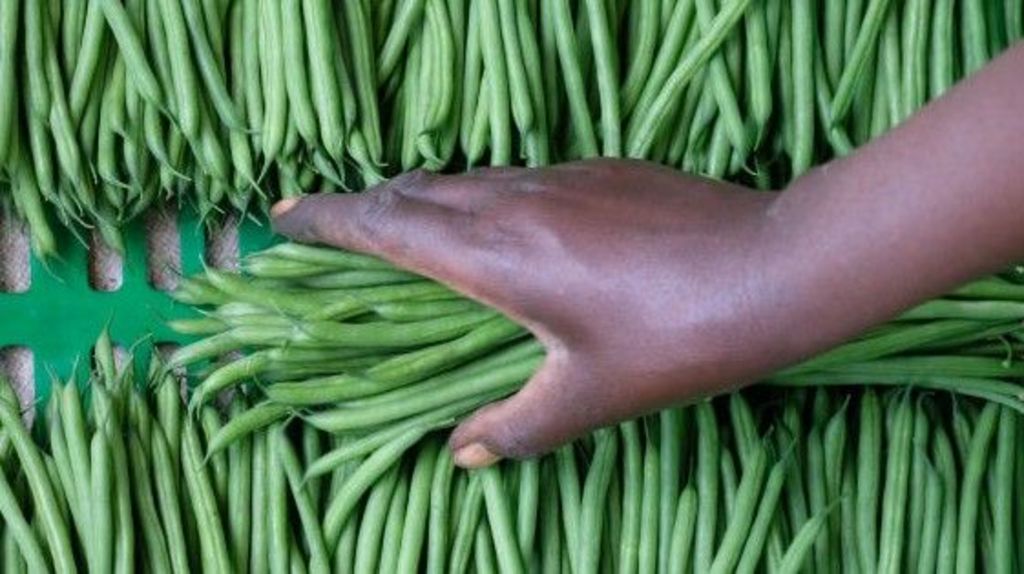
Two major British companies dominate production: Cambridgeshire-based G’s Fresh operates West African Farms, supplying weekly during UK winter months two million spring onion bunches, 100 tonnes of green beans, and 80 tonnes of radishes. Sussex-based Barfoots partners with Laurent’s SCL business in a larger joint venture that annually provides 55 million corn cobs alongside chillis, butternut squash, and additional green beans.
The logistical operation is precisely coordinated—produce travels five hours by road to Dakar’s deep-water port, where container ships depart weekly for the 3,000-mile voyage to Poole, Dorset. This supply chain has positioned Senegal as an emerging alternative to traditional UK winter produce sources in Southern Europe and Latin America.
Multiple factors drive this geographic shift: intensified land competition around the Mediterranean, increasing drought frequency in Spain, reduced consumer acceptance of air-freighted produce, and post-Brexit import dynamics. Senegal’s political stability—unique in West Africa—and structured lease agreements for foreign investors have facilitated approximately £70 million in agricultural investment.
While creating significant employment in a nation grappling with 19% unemployment rates, the economic model faces scrutiny. Agricultural workers earn approximately $4.50 daily—Senegal’s minimum wage—with bonus opportunities for exceeding targets. Critics question the environmental sustainability of long-distance food transportation, despite maritime shipping’s lower emissions compared to air freight.
The economic calculus continues to favor expansion—with Senegalese labor accounting for less than one-third of production costs compared to 60% in UK operations. Industry executives acknowledge that consumer preferences will ultimately determine whether year-round availability outweighs considerations of origin and environmental impact.