A stark divergence has emerged between America’s robust economic performance and the public’s increasingly gloomy perception of economic conditions. While President Trump continues to award the economy his highest marks, consumer sentiment surveys reveal a dramatically different assessment from the American public.
The Conference Board’s Consumer Confidence Index concluded 2025 significantly below its January peak, while the University of Michigan’s index, despite modest recent gains, remains nearly 25% lower than year-ago levels. This pessimism translates directly into political approval ratings, with only 36% endorsing the president’s economic management in recent NPR/Marist polling—the lowest reading in six years. Remarkably, over half of respondents believed the economy had already entered recessionary territory.
This public sentiment contrasts sharply with conventional economic indicators. Equity markets delivered impressive returns throughout 2025, with the Dow Jones gaining 13%, the S&P 500 advancing 16%, and the NASDAQ surging 20%. Corporate profits followed suit, with S&P 500 companies recording 13% growth and analysts projecting additional 15-16% gains for 2026. The artificial intelligence revolution continues to drive substantial investment in data infrastructure and technological capabilities.
Gross domestic product figures further contradict the pessimistic narrative. After adjusting for inflation and seasonal variations, third-quarter GDP expanded at a robust 4.3% annual rate, significantly exceeding historical averages, while the second quarter posted a solid 3.8% growth rate.
The explanation for this perception gap lies in the uneven distribution of economic benefits. Despite strong aggregate numbers, job creation has stagnated, and although unemployment remains relatively low at 4.6%, anxieties about artificial intelligence displacing workers persist across even high-performing sectors. The Federal Reserve Bank of New York’s December survey revealed that expectations of finding new employment after job loss plummeted to a record low of 43.1%.
Inflation concerns continue to weigh heavily on consumer psychology. With rates persistently hovering around 3%—nearly a full percentage point above the Federal Reserve’s target—Americans remain frustrated by elevated price levels rather than merely the pace of increases. Supply chain disruptions during the pandemic drove prices to unusually high levels in 2022, and consumers have grown impatient waiting for normalization.
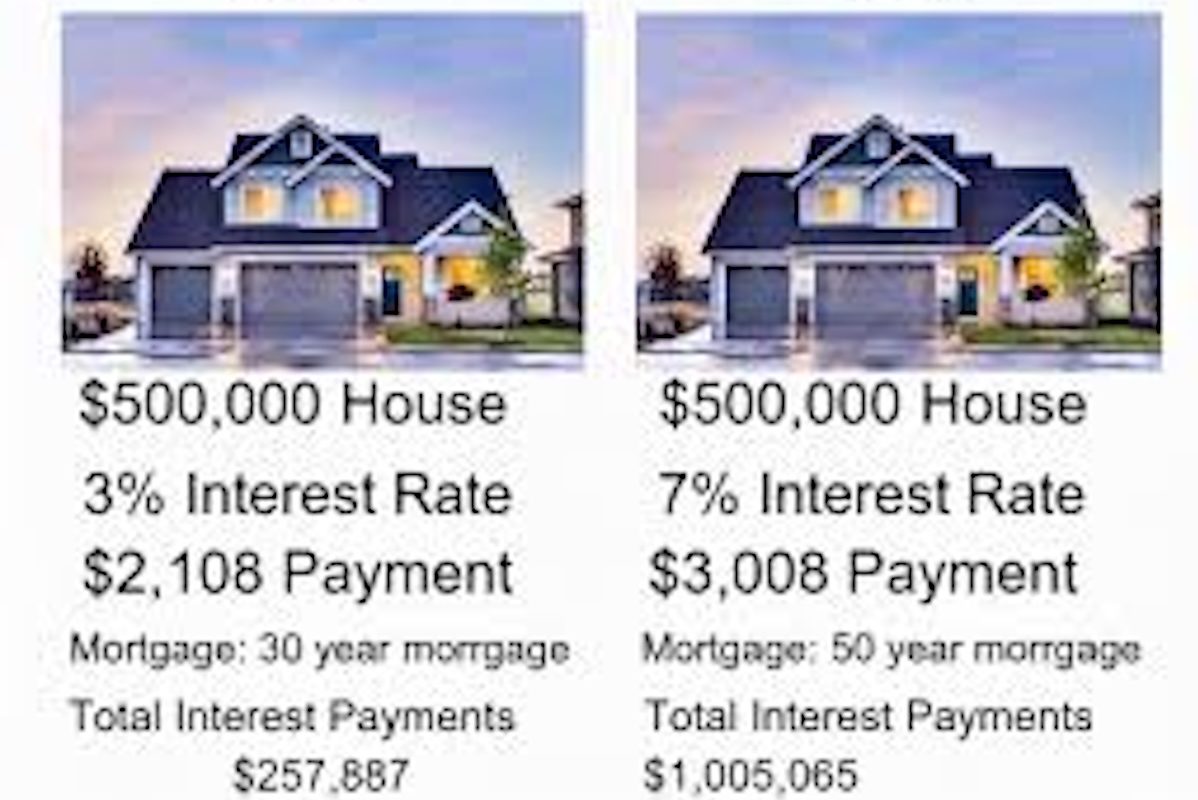
Additional structural challenges include housing affordability constraints, with 30-year mortgage rates remaining at approximately 6.2%, and the inflationary impact of presidential tariffs. The administration’s recent consideration of quick fixes, such as proposed credit-card interest rate caps, reflects growing recognition that macroeconomic statistics alone cannot overcome the public’s lived economic experience.