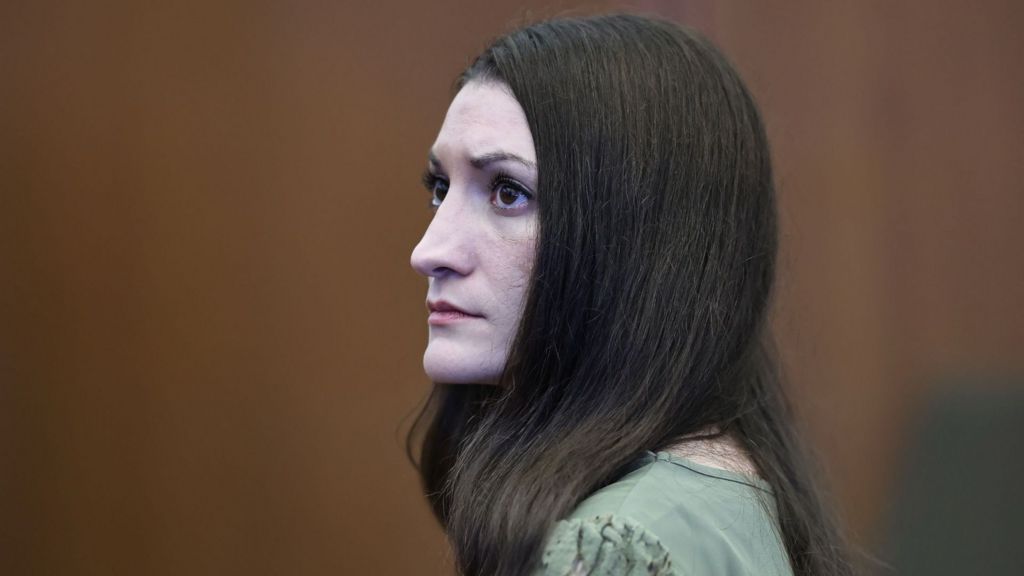
In a dramatic turn of events that has left communities across Massachusetts reeling, a judge has declared a mistrial in the closely watched case of Lindsay Clancy, the 32-year-old mother charged with murdering her three young children early last year. The proceeding, which had drawn intense public scrutiny over its troubling allegations and complex legal questions, concluded without a verdict after weeks of testimony and deliberation.
Clancy stands accused of killing her 5-year-old daughter Cora, 3-year-old son Dawson, and 8-month-old son Callan in their family home in Duxbury, a quiet coastal town south of Boston, in January 2023. Prosecutors alleged that Clancy used a belt and knife to harm the children before attempting to take her own life by jumping from a second-story window of her home. She survived the fall but was left partially paralyzed, and has remained in custody since her recovery.
During the trial, the defense argued that Clancy was experiencing severe postpartum psychosis, a debilitating mental health condition that distorted her perception of reality and left her unable to form the criminal intent required for a murder conviction. They presented extensive testimony from mental health experts detailing her history of anxiety and postpartum depression after the birth of her third child, and contended that she believed harming her children was the only way to save them from what her delusions told her was impending danger. Prosecutors, by contrast, pushed back against that narrative, arguing that Clancy acted intentionally when she killed the children, pointing to text messages and other evidence they said demonstrated premeditation.
After days of jury deliberation, the jury informed the judge that they were hopelessly deadlocked and unable to reach a unanimous verdict on any of the three murder charges Clancy faced. Following the jury’s announcement, Judge Beverly Cannone granted the motion for a mistrial, bringing the two-week trial to an abrupt and unresolved end.
The decision has left both the Clancy family and the broader community searching for answers. The case has reignited fierce public conversations about the gaps in mental health care for new parents, the dangers of untreated perinatal mood disorders, and how the criminal justice system handles defendants with severe mental illness. Many advocates for maternal mental health have pointed to the case as a tragic example of systemic failure, arguing that more accessible screening and treatment for postpartum conditions could prevent similar tragedies from occurring.
Plymouth County District Attorney Timothy Cruz has indicated that his office intends to retry Clancy, though no date has been set for the new proceeding. In a statement to reporters outside the courtroom after the mistrial was declared, Cruz emphasized that “the families of the victims and the community deserve a resolution,” and that his office will move forward to prepare for a second trial. Legal analysts note that retrials in high-profile murder cases are common when juries deadlock, but that the process could take months to organize given the complexity of the case and the need to seat a new impartial jury.