On June 12, a sweeping overhaul of European Union migration and asylum rules formally comes into force, marking the first time the bloc has established a unified, bloc-wide framework for managing irregular migration and border processes. According to EU Migration Commissioner Magnus Brunner, the reform is designed to give individual member states greater control over cross-border population movements, ending years of fragmented national policies that have strained regional cooperation.
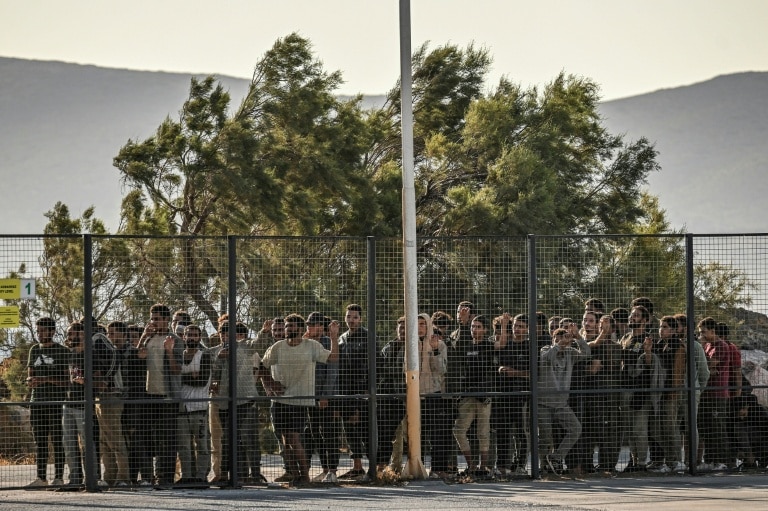
The new system introduces sweeping changes to how the EU processes people crossing its external borders illegally. Under the updated rules, all irregular arrivals will undergo mandatory identity and security screenings completed within a seven-day window. Biometric data, including facial scans and fingerprints, alongside basic identity documentation, will be stored in a centralized EU database. The primary goal of this screening is to triage applicants: sorting those eligible for standard or accelerated asylum processing from those who will be ordered deported to their country of origin or a prior transit country. Human rights organizations have already raised red flags, warning that the process will effectively result in widespread detention for most migrants, including unaccompanied minors, for the full duration of screening.
A core component of the reform is a new fast-track rejection pathway for applicants deemed to have low protection prospects or pose potential security risks. This includes nationals from countries such as Morocco and Bangladesh, where at least 80 percent of asylum applications are typically rejected by EU member states. These cases will be processed entirely in dedicated facilities located near the EU’s external borders—encompassing land frontiers, maritime ports and international airports—with a maximum processing timeline of 12 weeks. Rights advocates argue this compressed timeline will lead to rushed, flawed asylum decisions and extend detention periods for vulnerable people, while applicants from regions with higher approval rates will still follow the bloc’s existing standard asylum procedures.
For years, the EU’s original migration rules placed full responsibility for processing asylum claims on the member state where an irregular migrant first arrived. This system placed disproportionate burden on southern EU states including Italy, Greece and Malta, which have received the vast majority of sea and land arrivals over the past decade. To address this imbalance, the reform introduces a mandatory solidarity mechanism that requires all member states to contribute to sharing the burden. States can either agree to relocate a set number of asylum seekers from frontline border states, or opt to pay a contribution of 20,000 euros (equivalent to roughly $23,000) per asylum seeker to the receiving frontline country. The mechanism is designed to relocate at least 30,000 asylum seekers annually, though early negotiations have already hit major stumbling blocks: a first round of talks held last year saw multiple member states refuse to accept any relocation assignments.
The overhaul also includes a dedicated emergency response framework to address sudden, large-scale migration surges, similar to the 2015-2016 crisis that saw more than two million asylum seekers, most fleeing conflict in Syria and Afghanistan, enter the bloc. Under surge conditions, member states will be permitted to roll back standard asylum protections and hold migrants in external border detention centers for longer periods than the rules normally allow. The framework also applies to what the EU calls “instrumentalization of migration,” a practice the bloc has repeatedly accused Belarus and Russia of engaging in, claiming the two countries push irregular migrants across EU borders to destabilize the 27-nation bloc.
Despite the formal entry into force, major implementation challenges remain. A dozen member states have not yet completed necessary preparations, including building the border infrastructure required to carry out the new mandatory screenings. Other countries have already reported technical issues with integrating national systems into the new centralized biometric database. Public opinion across much of the bloc has hardened further on migration since the pact was agreed, pushing national governments to demand even stricter measures. Currently, an additional legislative package focused on expanding deportations of asylum seekers whose claims have been rejected is moving rapidly through the EU’s lawmaking process.
These developments have amplified concerns from human rights groups that European policymakers are prioritizing political expediency over basic humanitarian protections. Judith Sunderland, associate Europe and Central Asia director at Human Rights Watch, criticized the incoming rules, saying “The Pact takes a sledgehammer to the right to asylum at a time when the world needs Europe more than ever to champion human rights.”