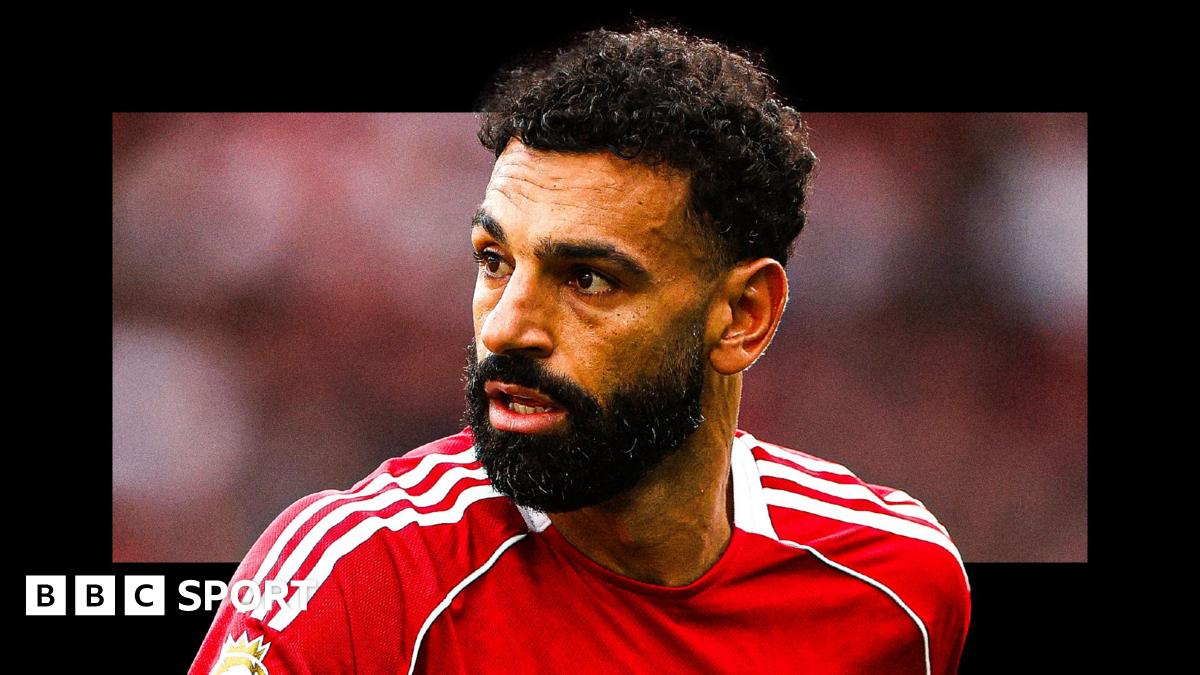
The unfolding narrative surrounding Liverpool’s iconic forward Mohamed Salah reveals a multifaceted portrait of an athlete grappling with perceived marginalization while maintaining an unwavering commitment to excellence. Recent developments have cast a spotlight on the Egyptian international’s emotional response to being relegated to substitute status for three consecutive matches under manager Arne Slot, prompting widespread discussion about his character among supporters and pundits alike.
Jurgen Klopp, the architect of Liverpool’s most successful modern era, provides profound insight into Salah’s psychological makeup. “We are all massively influenced by our past—how we were raised, where we grew up,” reflects the German tactician. “Mo understood from an early age that exceptional achievement required extraordinary effort. His continuous development mindset transformed him into arguably the Premier League’s most formidable attacking force.”
Former teammates paint a picture of a relentlessly driven professional whose competitive nature transcends conventional boundaries. Adam Lallana observes: “He maintains remarkable emotional equilibrium—never excessively celebrating triumphs nor dwelling on setbacks. His composure under pressure became a calming influence throughout the squad.” James Milner, Liverpool’s former vice-captain, recalls Salah’s obsession with perfection extending even to chess matches, noting: “He hired a chess instructor to refine his strategic thinking—that exemplifies his comprehensive approach to self-improvement.”
The analysis extends beyond sporting achievement to examine Salah’s cultural significance as a global icon. Hailing from Nagrig, an agricultural village where over half the population lives in poverty, his journey to superstardom represents a narrative of unprecedented social mobility. Maher Anwar Shtiyeh, mayor of Nagrig, emphasizes: “He remains deeply connected to his roots despite international acclaim. His philanthropic initiatives—including funding ambulance services and religious institutions—demonstrate unwavering commitment to his community.”
Salah’s visible Muslim faith has reshaped perceptions throughout his career. Shafique Rahman, Imam at Liverpool Mosque and Islamic Institute, notes: “His regular prayers before and after matches normalized religious expression in elite sports environments. Worshipers standing shoulder-to-shoulder with him during prayers experienced profound equality in spiritual practice.”
The current tension stems from what insiders describe as Salah’s frustration with recent performance critiques and speculation about his January transfer prospects. This scenario echoes historical patterns at Liverpool, where legendary figures including Steven Gerrard and Fernando Torres faced similar public scrutiny during transitional periods.
Despite the uncertainty, Salah’s legacy as a transformative figure remains secure. Luis Diaz, his former attacking partner now at Bayern Munich, reflects: “His mentorship transcended tactical advice—he created genuine emotional connections. Lifting the Premier League trophy alongside him revealed the profound joy he derives from collective achievement.” As the football world watches this chapter unfold, Salah’s story continues to evolve as a complex interplay of athletic brilliance, cultural influence, and human vulnerability.