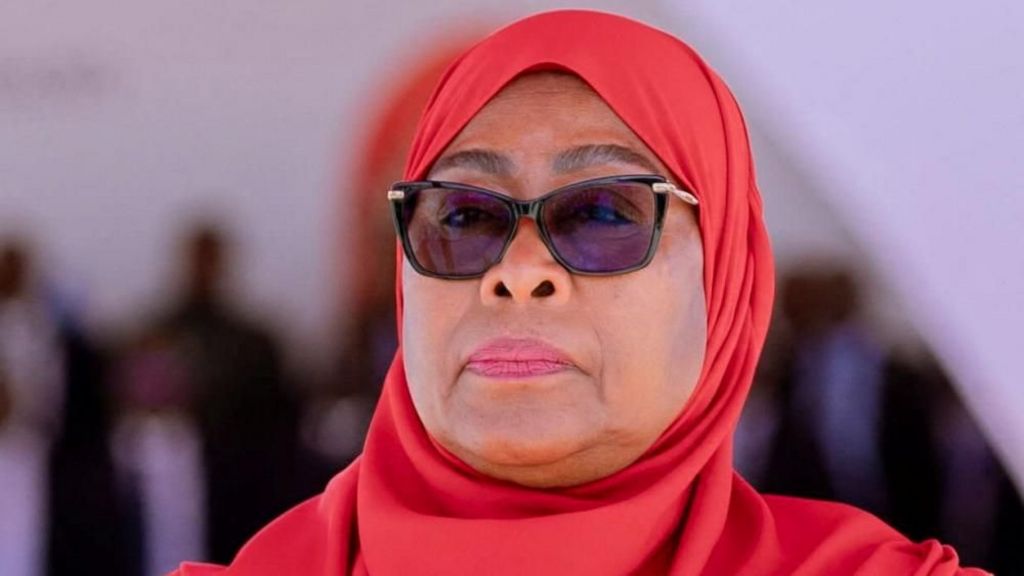
Tanzania, once hailed as a bastion of peace and stability in Africa, is now grappling with its most severe post-election violence in decades. The crisis erupted following the 29 October election, where President Samia Suluhu Hassan secured a landslide victory with 98% of the vote. However, the triumph has been overshadowed by widespread unrest, accusations of electoral malpractice, and a death toll that remains unconfirmed. Families across the nation are mourning loved ones lost in the violence, while regional and continental organizations have issued rare rebukes against the Tanzanian government. Samia, who initially inspired optimism with her calm demeanor and promises of reform upon assuming power in 2021, now faces mounting criticism for presiding over a repressive regime. Analysts attribute the unrest to years of simmering youth discontent, stalled reforms, and the ruling Chama Cha Mapinduzi (CCM) party’s authoritarian tendencies. The protests, led by young Tanzanians, echo global Gen Z movements against unresponsive leadership. The CCM, a post-colonial liberation party, has long dominated Tanzania’s political landscape, but its recent actions—including the disqualification of opposition candidates and a brutal crackdown on dissent—have exposed a darker side of the nation. As Samia begins her second term, her legitimacy is under scrutiny both domestically and internationally, with calls for accountability and democratic reform growing louder.
The gentle but ruthless president blamed for shattering Tanzania’s aura of stability