Four years into Russia’s full-scale invasion of Ukraine, the European Union has initiated quiet, low-level diplomatic contact with Moscow to reestablish communication channels, multiple senior anonymous EU officials confirmed Thursday. The tentative move comes as the bloc aims to ensure it is not sidelined from any future negotiations to end the devastating ongoing war.
The disclosure of the EU’s outreach coincided with fresh developments on the battlefield: Russian officials announced Thursday that Ukraine had carried out one of its largest drone assaults since the 2022 full-scale invasion. The attack targeted a key oil refinery outside Moscow, marking the second strike on the facility in just seven days, and forced widespread disruptions to commercial flight operations at multiple Moscow-area airports.
This quiet diplomatic opening unfolds against a complex geopolitical backdrop. The 27-nation bloc has simultaneously ramped up its military, political and humanitarian support for Kyiv, even as Russian President Vladimir Putin has worked to cut European leaders out of talks, prioritizing direct negotiations with Washington over Ukraine’s future.
Two EU officials, speaking on condition of anonymity due to the sensitivity of the diplomatic maneuver, confirmed the contact had occurred in recent weeks. “In the past few weeks, brief contacts were made at diplomatic level to open communication channels but nothing was discussed on substance,” the first official stated. The official clarified that the bloc is not seeking to act as a mediator, but rather to protect its own strategic interests in any future peace process: “In any future scenario, the EU has specific interests that will need to be defended, therefore it is important to have established diplomatic channels with Russia. The EU is not a mediator. It supports Ukraine in its efforts to achieve a just and lasting peace.”
The Kremlin has not yet issued an official response to requests for comment on the EU outreach. Putin has previously pushed back against European mediation efforts but has not closed the door entirely on communication with the bloc. Earlier this month, he noted, “We have never refused contacts with representatives of the European Union in any format. We are not rejecting contacts. If they want to talk, they know how to reach us. They can pick up the phone and call. If they want to come, they are welcome to do so. It is not Russia that is refusing engagement.”
According to EU insiders, European Council President Antonio Costa has been leading coordination across EU member states on the framework for potential future engagement with Moscow, aligning on core issues to be addressed when conditions for substantive talks are deemed appropriate.
The revelation comes just as EU leaders gather in Brussels for their annual summer summit, where Ukraine’s war and its long-term relationship with the bloc will top the agenda. Ukrainian President Volodymyr Zelenskyy is scheduled to address the gathering of leaders, who are expected to advance discussions on deeper political and economic integration with Kyiv. Just weeks ago, Ukraine officially launched accession negotiations with the EU, a years-long process that will require sweeping political and governance reforms even as the country continues to fend off Russian aggression.
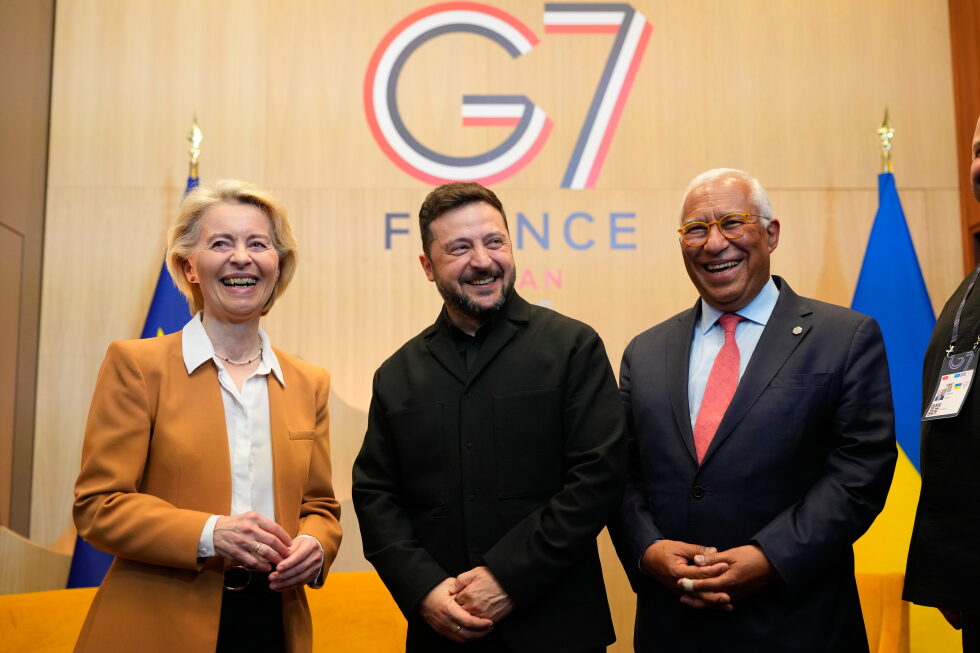
The EU move also follows this week’s G7 summit in Evian-les-Bains, France, where European negotiators secured a joint commitment from former U.S. President Donald Trump to join other G7 leaders in reaffirming unwavering support for Ukraine. Zelenskyy, who attended the summit, hailed the gathering as a success, saying Ukraine had secured key new pledges of military and political support from attending leaders, including the United States.