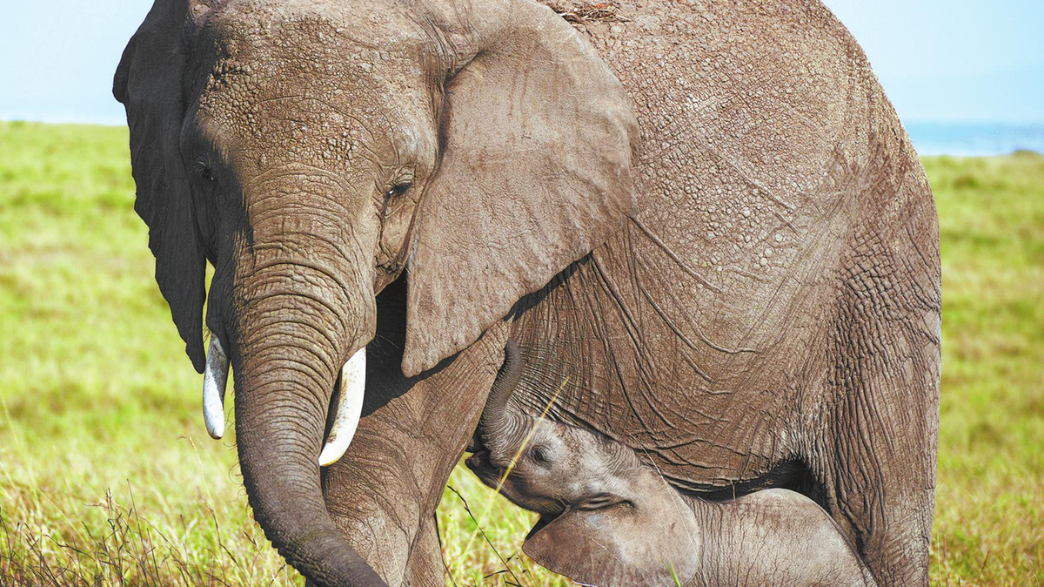
Across Kenya’s diverse landscapes—from the sprawling Maasai Mara to the rugged plains of Tsavo—a technological revolution is quietly unfolding. Advanced early-warning systems now create an invisible safety net that protects both wildlife and human communities from destructive encounters.
In regions like Kajiado, where farmers once lost entire crops to marauding elephants overnight, instant alerts now provide critical advance notice before herds approach settlements. This transformation stems from Kenya Wildlife Service’s comprehensive digital strategy that integrates artificial intelligence, long-range telemetry, thermal imaging, and community knowledge into a unified conservation framework.
At the heart of this initiative lies EarthRanger, an innovative platform that aggregates data from satellite collars, drones, smart camera traps, and thermal sensors into a single operational dashboard. When elephants breach virtual boundaries, automated notifications instantly alert rangers’ handheld devices, WhatsApp groups, and command centers in Nairobi. Different species appear as moving icons on screens, enabling precise tracking of elephants crossing migratory corridors, lions approaching settlements, and rhinos near sanctuary boundaries.
Response teams now deploy within minutes, sometimes guided by overhead drones, to gently redirect animals to safety. This coordinated approach has transformed human-wildlife interactions from chaotic clashes into managed encounters. Farmers gain precious time to secure livestock and activate deterrent systems, while rangers can preemptively defuse conflicts before they escalate.
The technological infrastructure extends even to remote parks like Marsabit and Samburu through long-range, low-power radio networks capable of transmitting telemetry over 20 kilometers. Thermal cameras detect movements in complete darkness, while acoustic sensors identify gunshots, chainsaws, and animal distress calls around the clock. Beyond terrestrial monitoring, scientists employ environmental DNA to detect aquatic species without direct observation and underwater camera traps to monitor coral reef health.
This conservation technology creates unexpected economic opportunities. After suitable training, community members become drone pilots, telemetry analysts, and data technicians—diversifying livelihoods beyond tourism-dependent economies.
Complementing these technological advances, the International Fund for Animal Welfare’s Room to Roam initiative seeks to secure over 9 million hectares of connected habitat across East and Southern Africa. The program focuses on maintaining migratory paths, restoring degraded rangelands, and collaborating with communities along elephant movement routes. Conservationists emphasize that success requires integrating conservation with local development needs, land-use planning, and community benefits.
Despite these advancements, experts caution that no single solution fits all contexts. Research combining species distribution modeling with AI analysis reveals that 19.1% of Kenya’s land faces high human-elephant conflict risk with limited tourism potential. In these areas, alternative interventions—including wildlife corridors, electric fencing, and strengthened land-use planning—remain essential.
Kenya’s approach demonstrates how technology, when combined with human expertise and community engagement, can create sustainable coexistence between humans and wildlife while emerging as a continental leader in innovative conservation practices.