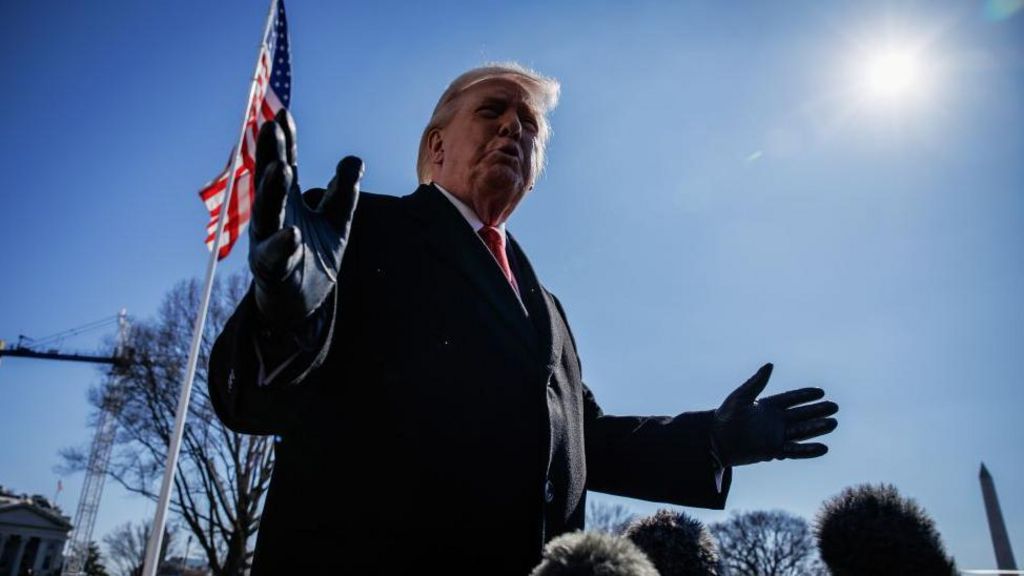
In a landmark ruling with profound implications for presidential power, the U.S. Supreme Court has delivered a significant setback to the Trump administration’s trade agenda. By a decisive six-justice majority, the court ruled on Friday that the president lacks constitutional authority to unilaterally impose tariffs without explicit congressional authorization.
The court determined that the 1977 Emergency Economic Powers Act—the legal foundation for Trump’s controversial tariffs—contains no provision granting the president such sweeping powers. This decision represents a rare judicial check on this administration’s expansive interpretation of executive authority, particularly notable given the court’s general tendency to permit Trump’s policy initiatives to proceed during legal challenges.
Legal analysts suggest the ruling may have immediate practical consequences, potentially forcing the administration to refund billions in tariff revenues collected over the past year. Justice Brett Kavanaugh, in his dissenting opinion, characterized the prospective repayment process as likely to become a ‘mess’ of litigation.
The decision fundamentally alters America’s trade negotiation dynamics, stripping the president of his ability to threaten or implement massive tariffs through mere executive action. Future tariff measures will now require detailed agency reports, face limitations on scope and duration, and undergo extended implementation timelines—a stark contrast to the sudden ‘Liberation Day’ tariffs that caused significant economic disruption last year.
While the Trump administration had anticipated this possible outcome, with Trade Adviser Jamieson Greer previously stating the White House had ‘multiple options’ regardless of the ruling, the alternatives remain constrained. The administration could seek explicit congressional authorization, though such efforts appear unlikely to succeed given narrow Republican majorities and approaching midterm elections.
Paradoxically, the decision may relieve political pressure on many congressional Republicans who have faced criticism from constituents over tariff-related consumer price increases. The ruling sets the stage for an unusually tense atmosphere during the upcoming State of the Union address, where the president may literally face the justices who undermined a cornerstone of his second-term agenda.