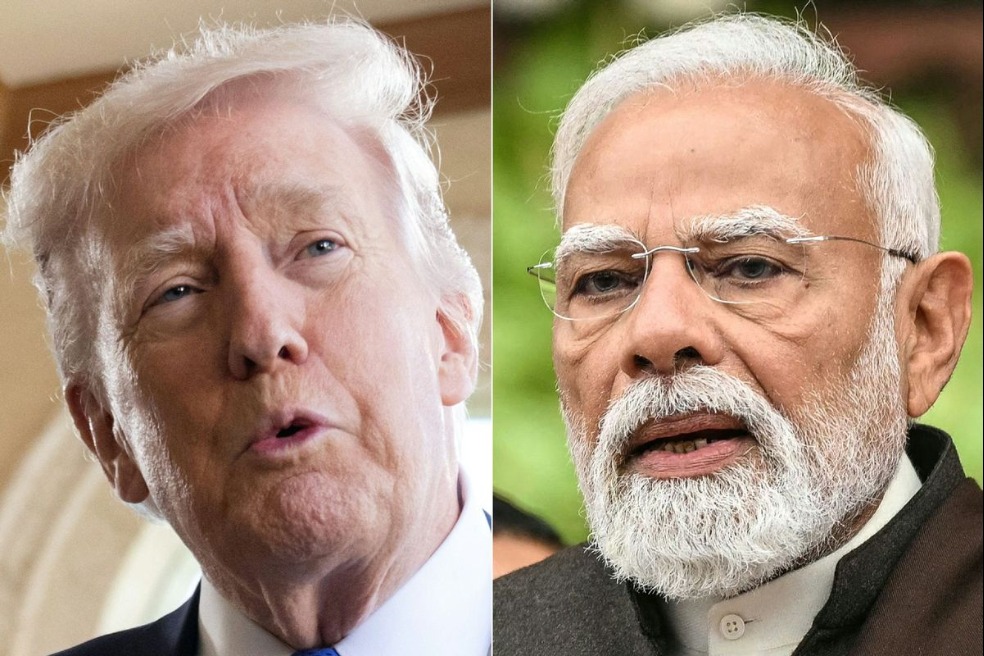
In a significant diplomatic breakthrough, the United States and India have concluded a comprehensive trade agreement that dramatically reduces tariffs on Indian exports while compelling New Delhi to reconsider its energy procurement strategy. The pact, announced jointly by US President Donald Trump and Indian Prime Minister Narendra Modi on February 3, 2026, slashes existing tariffs from 50% to 18% on Indian goods.
The agreement represents a strategic recalibration of economic relations between the world’s largest and fifth-largest economies. In return for tariff relief, India has committed to halt purchases of Russian crude oil and substantially lower trade barriers for American products. The arrangement includes India’s commitment to eliminate import taxes on US goods entirely and purchase approximately $500 billion worth of American merchandise.
This development follows months of escalating trade tensions that began in June when Washington imposed an initial 25% tariff on Indian goods, subsequently doubling the rate in August due to India’s continued acquisition of Russian energy resources. The current agreement effectively reverses these punitive measures while establishing new parameters for bilateral trade.
Energy analysts immediately raised concerns about the feasibility of India’s commitment to abandon Russian oil imports, which currently constitute over one-third of the nation’s daily consumption at approximately 1.5 million barrels. Rob Haworth, Senior Investment Strategy Director at US Bank Asset Management, emphasized that “fully replacing Russian oil with alternatives from Venezuela or the United States will require substantial infrastructure investment and time.”
Academic experts offered mixed perspectives on the agreement’s implications. Professor Pushan Dutt of INSEAD Asia Campus described the deal as a “welcome development” that could restore economic and geopolitical alignment between the two nations. However, Professor Dibyendu Maiti of Delhi School of Economics noted that the agreement followed significant American pressure regarding agricultural and dairy product restrictions.
Qian Feng, Director of Research at Tsinghua University’s National Strategy Institute, highlighted both opportunities and challenges for India. While Indian exports including electronics, pharmaceuticals, apparel, and chemicals may regain competitiveness in US markets, the energy policy shift could increase import costs by billions annually, potentially fueling inflation and complicating existing agreements with Russian energy providers.
The agreement contains enforcement mechanisms, with an anonymous US Trade Representative official warning that tariffs could be reinstated if India resumes Russian oil purchases. This condition underscores the agreement’s function as both economic arrangement and geopolitical instrument, potentially positioning India as a counterbalance to Russian influence.
Despite the celebratory announcements from both leaders, experts caution that substantial differences remain unresolved, characterizing the agreement as a provisional truce rather than comprehensive reconciliation. The ultimate implementation and long-term sustainability of this trade détente remain subject to complex economic and geopolitical considerations.