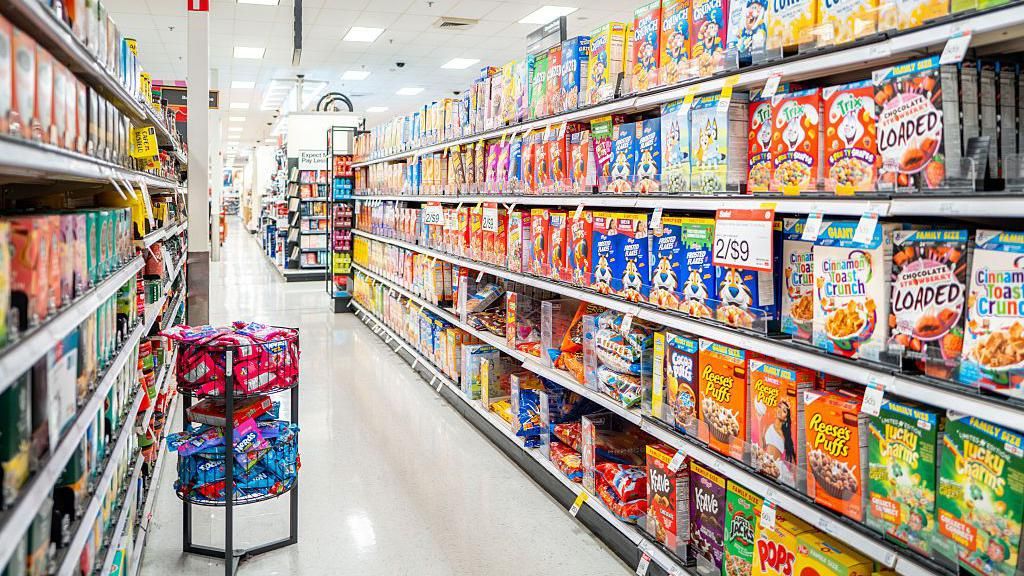
In a significant move within the US retail sector, Target Corporation has announced it will cease sales of breakfast cereals containing synthetic colors by the end of May 2025. This decision positions the retail giant ahead of both competitors and manufacturing partners in responding to growing consumer and regulatory pressures against ultra-processed foods.
The Friday announcement follows intensified scrutiny from the Trump administration’s Health Secretary Robert F. Kennedy Jr. and his Make America Healthy Again initiative, which has targeted artificial additives as part of broader food industry reforms. While political pressure has contributed to industry-wide changes, evolving consumer preferences have emerged as equally influential, with shoppers increasingly examining ingredient labels on packaged goods.
Target’s Chief Merchandising Officer Cara Sylvester stated: ‘Consumers are progressively prioritizing healthier lifestyles, and we’re moving swiftly to evolve our offerings to meet their needs.’ Notably, approximately 85% of Target’s current cereal sales already come from products free of synthetic dyes, though the company declined to specify whether brands would reformulate products specifically for Target’s shelves.
This development occurs alongside similar industry movements. Walmart committed last year to removing synthetic dyes from its private-label products by January 2027, while major food manufacturers including General Mills, Kraft Heinz, and Conagra Brands have announced multi-year timelines to eliminate artificial colors. General Mills confirmed it remains on track to remove certified synthetic colors from all US cereals by summer 2025.
Meanwhile, WK Kellogg Company, producer of Froot Loops and Rice Krispies, maintains a 2027 deadline for dye removal and did not immediately respond to requests for comment.
The regulatory landscape shifted substantially last April when Health Secretary Kennedy announced a ban on eight commonly used artificial food dyes. The Make America Healthy Again movement has additionally advocated against corn syrup, seed oils, and other additives linked to health concerns—a position that prompted Coca-Cola to transition to real cane sugar in US products last summer.
Remarkably, concerns about ultra-processed foods have created unusual political alignment between some left-leaning officials and the Trump administration, despite disagreements on other Kennedy policies such as vaccine skepticism. This consensus recently manifested in San Francisco’s December lawsuit against ten major food manufacturers, alleging knowingly sale of products connected to serious health conditions.