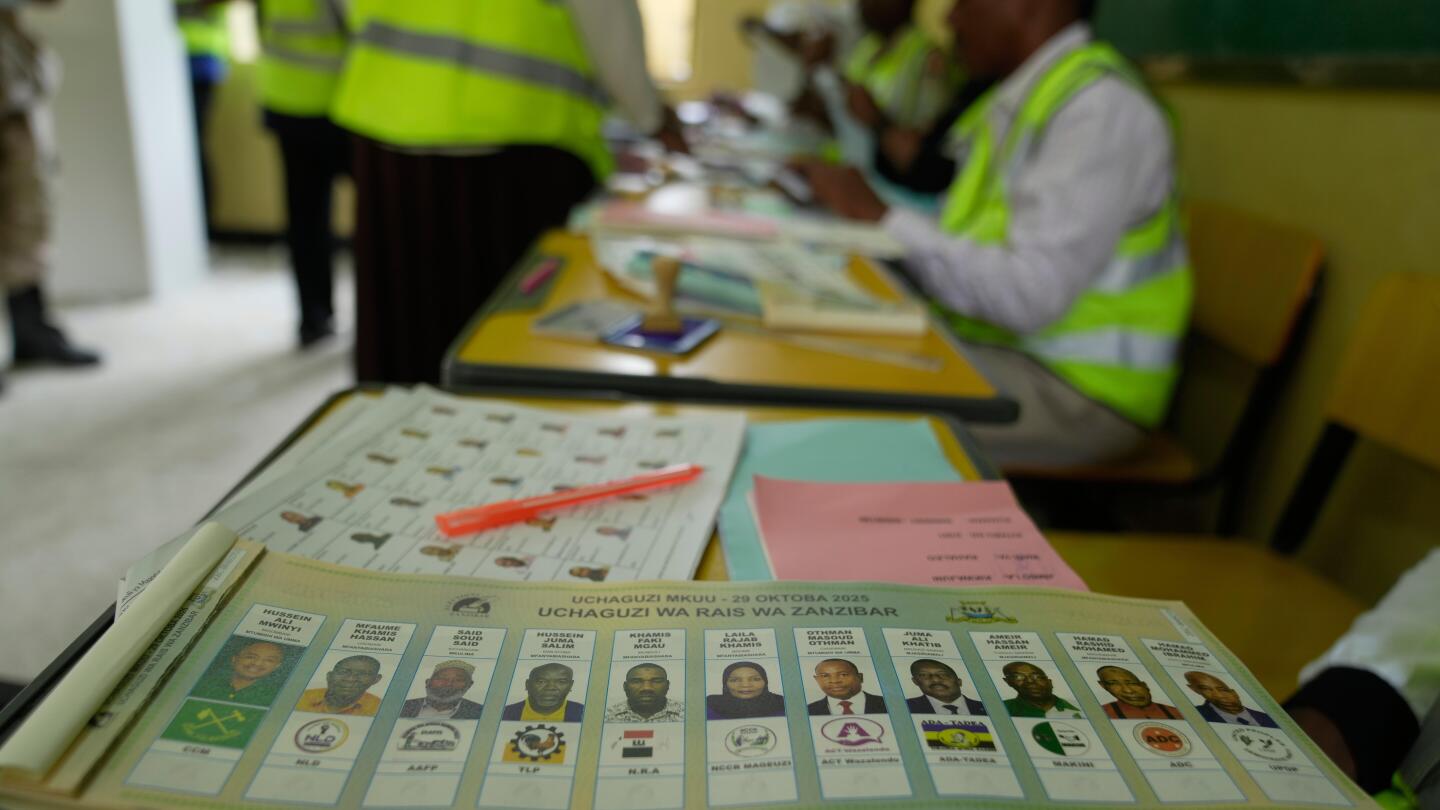
Tanzanians are set to cast their votes on Wednesday in a pivotal election that sees incumbent President Samia Suluhu Hassan facing off against candidates from smaller opposition parties. The absence of her primary rivals, barred from participating, has cast a shadow over the electoral process. A victory for Hassan would prolong the dominance of her party, Chama cha Mapinduzi (CCM), which has governed Tanzania since 1961. However, the election is marred by allegations of repression, with Amnesty International highlighting enforced disappearances, arbitrary arrests, and extrajudicial killings as key concerns. These actions, allegedly perpetrated by security forces, have raised questions about the election’s legitimacy. Hassan’s main opponent, Tundu Lissu of the Chadema party, is currently detained on treason charges, while the ACT-Wazalendo party’s presidential candidate was also disqualified. Hassan, seeking her first full term after completing her predecessor’s tenure, has campaigned on a platform of economic expansion in agriculture and livestock, encapsulated in her ‘Four Rs’ vision: reconciliation, reforms, rebuilding, and resilience. Despite a record 37 million registered voters, analysts predict low turnout due to widespread apathy and the perception of a foregone conclusion. The U.S. Senate Foreign Relations Committee has criticized the pre-election environment, warning that it undermines Tanzania’s democratic principles. Amnesty International analyst Roland Ebole noted that while Hassan initially showed promise with progressive measures, her administration has since reverted to repressive tactics. Simon Mkina, a Tanzanian newspaper founder, warned that the election could threaten the nation’s democratic foundations, potentially leading to international condemnation and domestic unrest. Chadema has called for protests on election day, signaling potential upheaval in the aftermath of the vote.