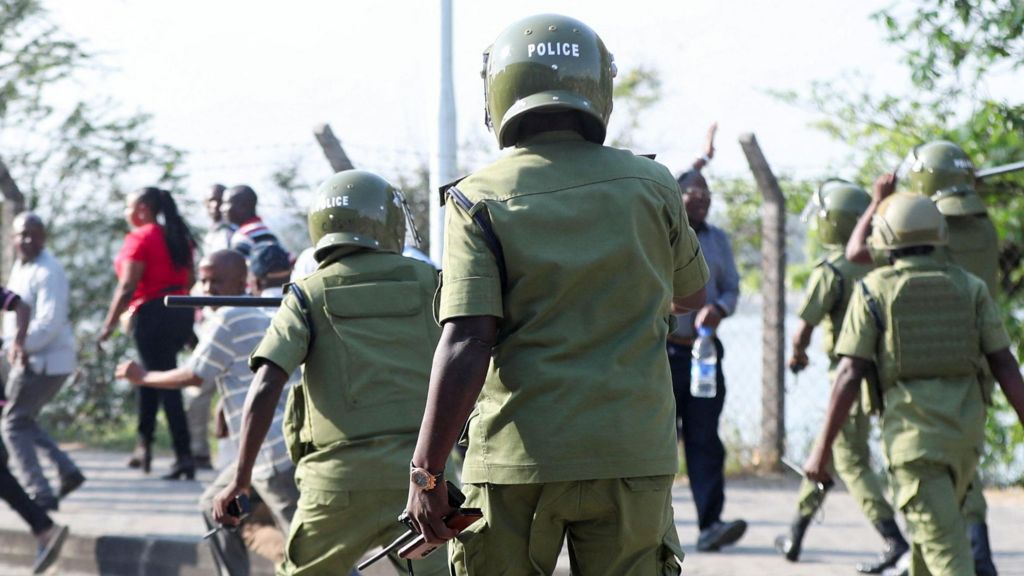
Tanzanian authorities have issued stern warnings against the misuse of social media to disseminate misinformation, particularly in the wake of a viral video featuring an individual claiming to be a military officer criticizing the government. The video, which has been widely circulated, comes just three weeks before the country’s general elections, adding to the already tense political climate. The self-proclaimed ‘Capt Tesha’ from the air force accuses the government of corruption, human rights violations, and political interference within the military. He calls on military chief Jacob Mkunda to take action to unite the country and protect citizens’ rights, while also encouraging Tanzanians to demand their rights and stage demonstrations. The authenticity of the video remains unverified, as the military has not confirmed the identity of the individual, and the BBC has been unable to verify his claims. In response, the military has emphasized its commitment to maintaining professionalism and staying out of politics. Military spokesman Col Bernard Masala Mlunga stated that such content is often posted by individuals falsely claiming military affiliation or those dismissed for misconduct. Meanwhile, Tanzanian police have warned that sharing ‘criminal and inflammatory’ information on social media is a punishable offense, vowing to track down and prosecute those responsible. Opposition activists have seized on the video, interpreting it as a sign of military support for their cause. The political environment remains fraught, with President Samia Suluhu Hassan seeking re-election under the ruling Chama Cha Mapinduzi (CCM) party. The main opposition party, Chadema, has been barred from participating in the elections, and its leader, Tundu Lissu, remains detained on treason charges that human rights groups allege are politically motivated. Critics of the government have increasingly faced repression, raising concerns about the fairness and transparency of the upcoming elections. Civil society groups and journalists have also reported heightened government control over media and public gatherings, further intensifying the political tension.