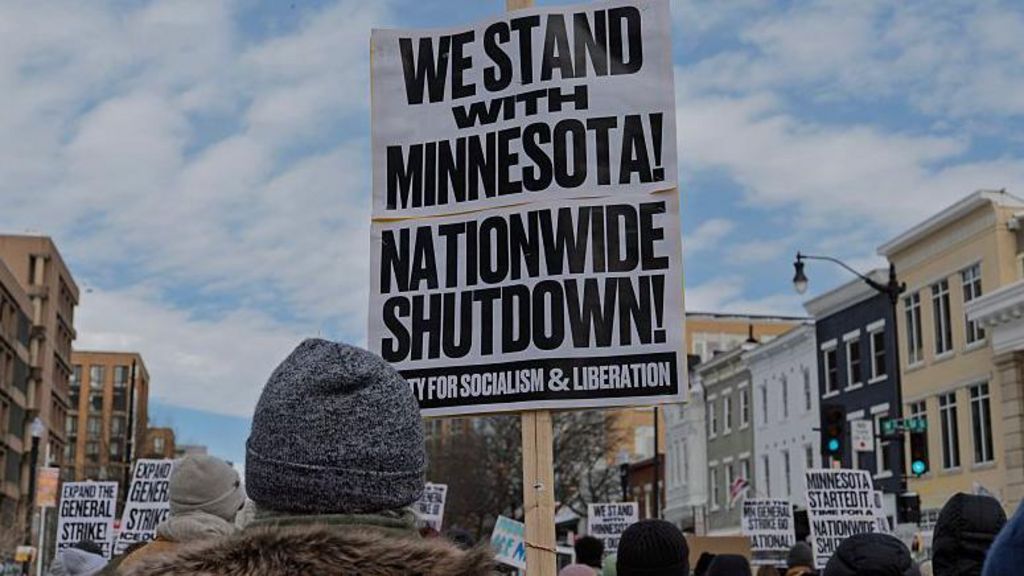
Washington D.C. finds itself embroiled in intense budgetary negotiations as lawmakers race against the clock to prevent a potential federal government shutdown. The political standoff centers on Democratic demands for substantial reforms within the Department of Homeland Security (DHS) following the controversial fatal shooting of 37-year-old nurse Alex Pretti by federal immigration agents in Minneapolis.
Democratic legislators are leveraging their position to withhold support from the comprehensive $1.2 trillion spending package unless significant oversight measures are incorporated. These proposed restrictions would mandate federal agents to obtain warrants before making arrests and establish clearer identification protocols during operations. The White House and Senate Democratic leadership appear to be converging on an agreement that would address these security concerns while avoiding complete governmental paralysis.
The current strategy under discussion would involve passing five of the six spending bills before Friday’s midnight deadline while granting DHS a temporary funding extension. This approach would provide additional negotiation time for implementing proposed operational changes, including regulations surrounding agents’ use of masks during operations.
Senate Minority Leader Chuck Schumer has taken a firm stance, declaring, “I will vote no on any legislation that funds ICE until it is reined in and overhauled,” emphasizing that Senate Democrats remain “overwhelmingly united on this issue.” This position has been further reinforced by escalating demands from some Democratic senators calling for DHS Secretary Kristi Noem’s removal and structural changes to both Immigration and Customs Enforcement (ICE) and US Border Patrol.
Republican Senate Majority Leader John Thune has characterized the ongoing negotiations as “productive,” though Texas Senator John Cornyn has cautioned that “any changes must not come at the expense of shutting down the government.”
The potential shutdown would not affect the entire federal government, as legislation has already been enacted to fund numerous agencies through September 30, 2026. However, critical departments including Defense, Health and Human Services, Treasury, and the federal court system would face operational disruptions. The Internal Revenue Service would also be impacted, potentially delaying tax processing and refund distributions.
Essential employees within affected agencies would continue working without pay until funding is restored, mirroring arrangements made during previous shutdowns. The most recent government closure in late 2025 lasted 43 days—the longest in U.S. history—leaving approximately 1.4 million federal employees without compensation and severely disrupting air travel and food assistance programs nationwide.