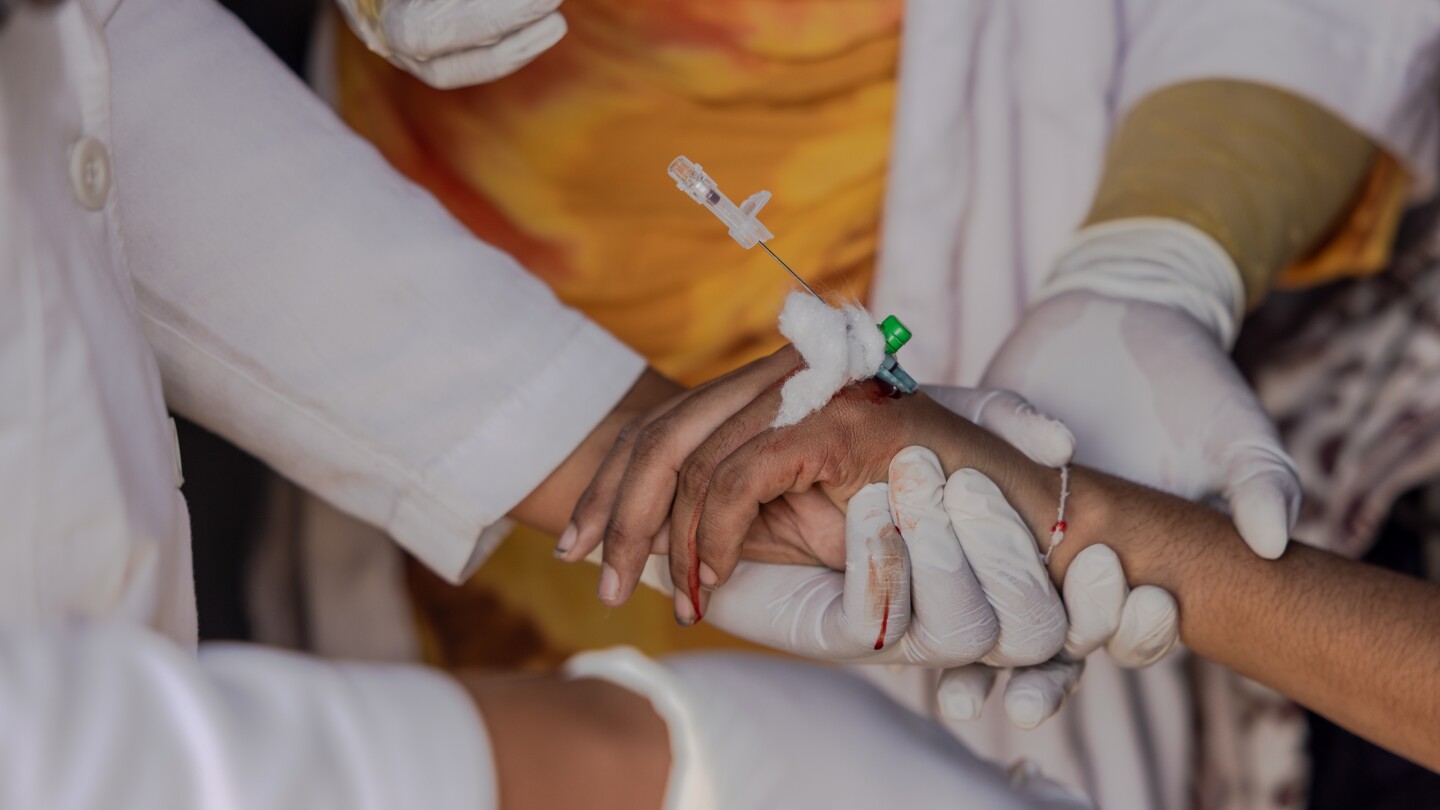
DOUANKARA, Mauritania — In a disturbing development within Mali’s protracted conflict, multiple women have provided The Associated Press with harrowing accounts of surviving or witnessing alleged sexual assaults perpetrated by members of the newly established Russian Africa Corps. This military unit, which has replaced the Wagner mercenary group, is currently assisting Malian forces in counter-extremism operations.
Medical professionals and aid workers on the ground confirm that sexual violence has become a weapon employed by all factions in the conflict, including gang rape and sexual slavery. However, the deeply conservative and patriarchal nature of local societies creates a culture of silence that prevents most victims from reporting these atrocities, thereby hindering accountability efforts.
The AP gained unprecedented access to refugee settlements along the Mauritanian border, where thousands of Malians have sought sanctuary. Beyond sexual violence, refugees reported indiscriminate killings and beheadings, alleging that Africa Corps has adopted the same brutal tactics previously associated with Wagner mercenaries. Legal experts emphasize that Russian authorities bear direct responsibility for these fighters’ actions, as the unit reports to Moscow’s defense ministry, which declined to respond to inquiries.
Among the most distressing cases documented was a 14-year-old victim who developed severe infections following sexual assault by individuals her family identified as Russian soldiers. The AP verified four additional cases of sexual violence involving Africa Corps fighters, consistently described by survivors as ‘white men.’
One survivor recounted defending herself ‘by the grace of Allah’ when armed men invaded her home and attempted to undress her. Another victim exhibited visible scratch marks on her neck and experienced uncontrollable trembling when recounting her ordeal. A third woman described her experience as something that ‘stays between God and me,’ while a fourth witnessed armed men abducting her 18-year-old daughter, whom she has not seen since.
The complex landscape of sexual violence in Mali extends beyond Russian fighters. A women’s health clinic in the Mopti region reported treating 28 survivors of sexual assault by JNIM militants, an al-Qaeda affiliate that represents the most powerful armed group in the country.
According to Mirjam Molenaar, a medical team leader with Doctors Without Borders (MSF), ‘People undergo these things and they live with it, and it shows in post-traumatic stress.’ The organization notes that fear of reprisals, limited access to healthcare, and social stigma surrounding sexual assault contribute to significant underreporting.
This pattern of abuse echoes previous allegations against Wagner mercenaries, including one refugee’s account of witnessing mass rape in her village in March 2024, where even her 70-year-old mother was victimized. A 2023 UN report documented at least 58 cases of rape and sexual assault during an attack on Moura village by Malian troops and ‘armed white men,’ leading Mali’s government to expel the UN peacekeeping mission and creating an information blackout regarding conflict-related sexual violence.
The humanitarian situation continues to deteriorate, with the refugee camp on the Mauritanian border operating at full capacity with over 150,000 people. Recent fighting has pushed an additional 3,000 refugees across the border in the past month, many settling in fragile shelters made of fabric and branches. MSF has established a free clinic that has already treated three survivors of sexual violence, but aid workers express concern about the countless women who never come forward.
‘We know from the stories shared that there is a huge need,’ Molenaar stated, highlighting the urgent requirement for specialized support services in an environment where accountability remains elusive and trauma largely unaddressed.