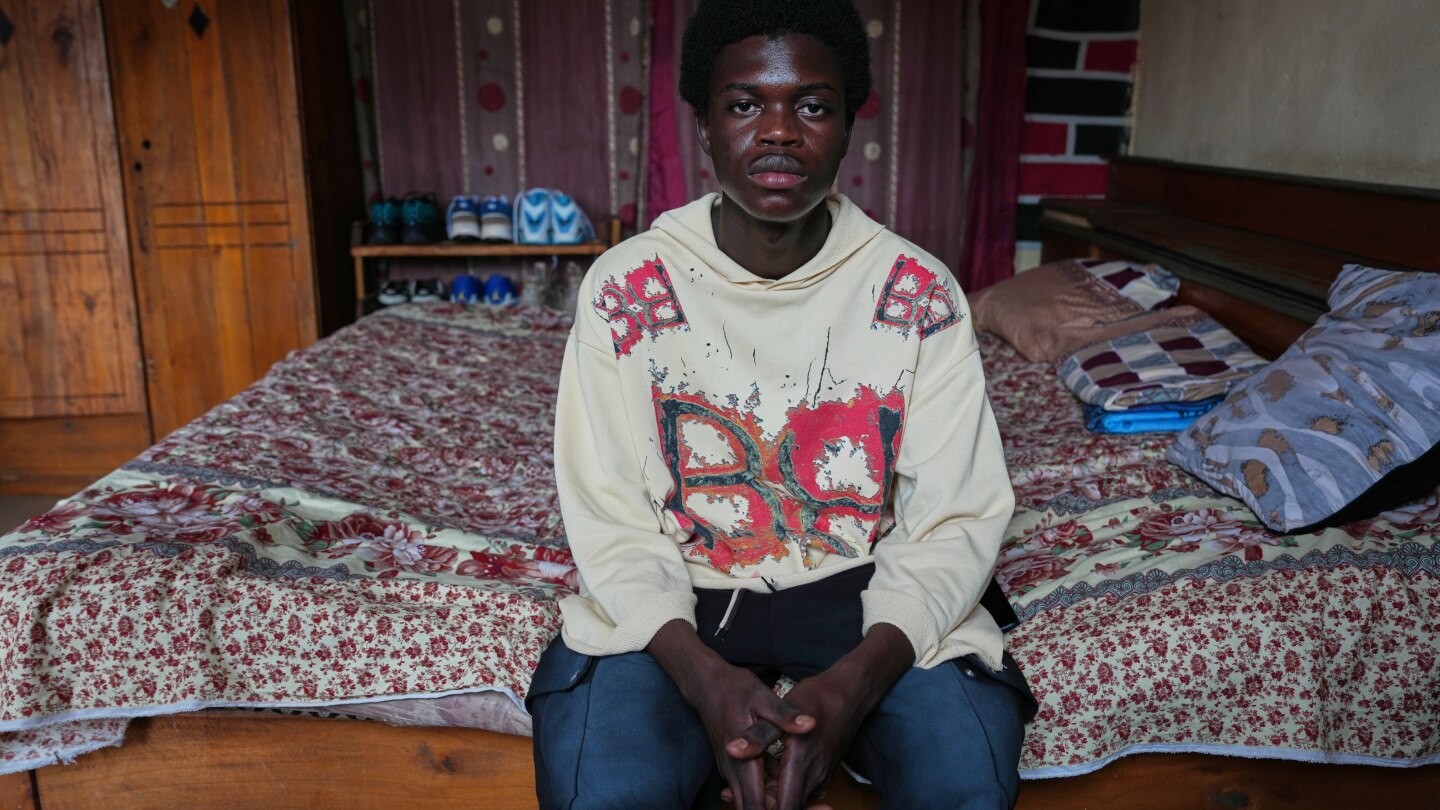
The European Union (EU) has allocated hundreds of millions of dollars to the International Organization for Migration (IOM) to assist tens of thousands of African migrants returning from unsuccessful journeys to Europe. However, investigations by The Associated Press reveal that many returnees in Gambia and Guinea claim they have received little to no promised economic or psychosocial support. Migration experts argue that the IOM’s efforts are insufficient, potentially fueling further migration attempts due to desperation. The IOM acknowledges concerns but cites high caseloads and incomplete documentation as reasons for delays. The EU has not provided detailed transparency on fund allocation, and a 2021 audit by the European Court of Auditors questioned the program’s effectiveness. Launched in 2016, the EU-funded IOM program aims to repatriate migrants and provide post-return assistance, including housing, medical care, and vocational training. Despite these goals, returnees report facing trauma, debt, and family shame without adequate support. A WhatsApp group of over 50 returnees highlights widespread frustration with the IOM’s unresponsiveness. Experts emphasize the need for better reintegration support, particularly in countries with weak state services. While the program has reduced irregular crossings into Europe, critics argue that its lack of transparency and accountability undermines its impact on vulnerable migrants.
Takeaways from an AP report on a Europe-funded program returning African migrants