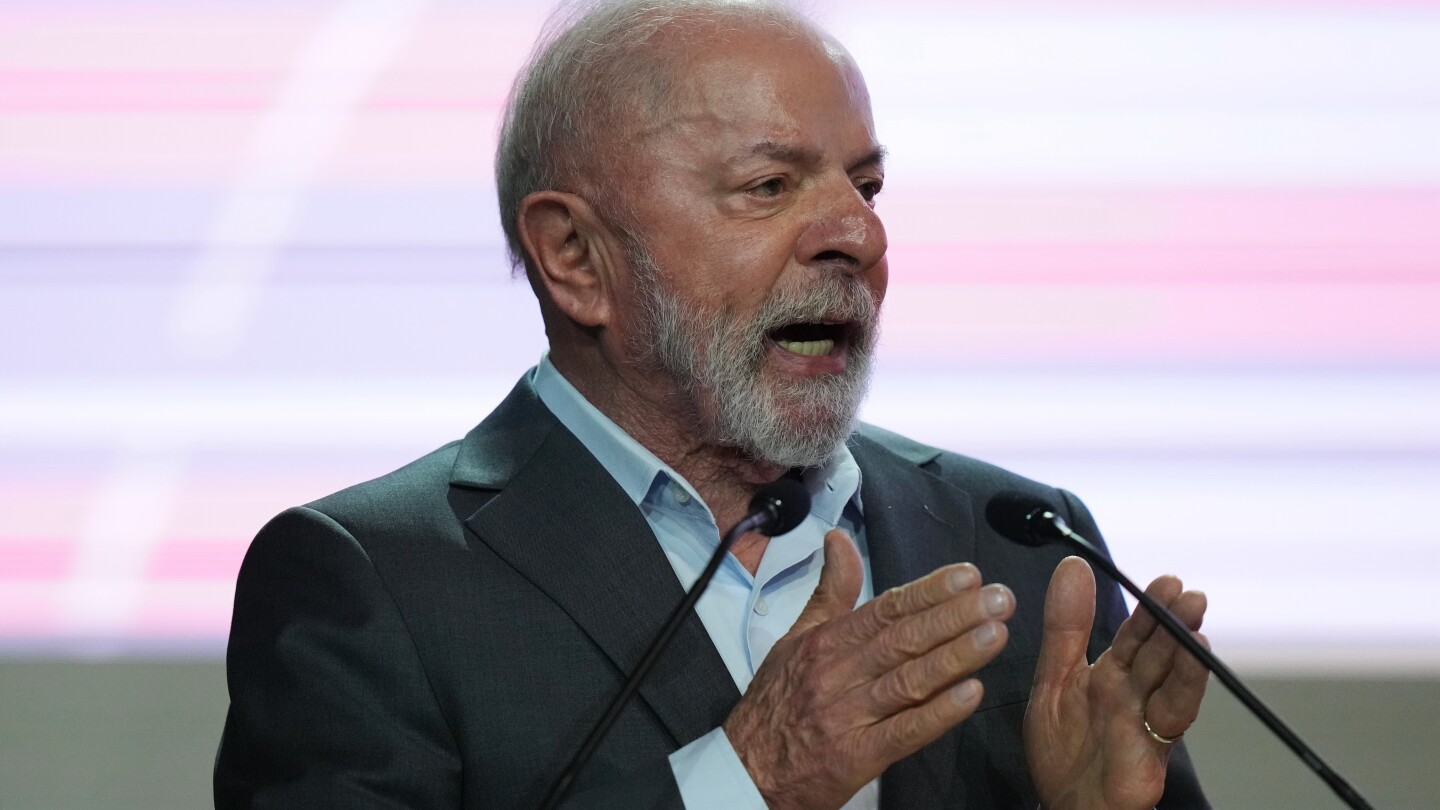
In a significant development, Brazil’s federal police have formally accused Silvio Almeida, the former human rights minister under President Luiz Inácio Lula da Silva, of sexual misconduct. The allegations, which led to Almeida’s dismissal last September, have now escalated into a formal investigation. A police official, speaking anonymously due to lack of authorization, confirmed the accusations on Saturday. Prosecutors are currently reviewing the case to determine whether to press charges. If charges are filed, the Supreme Court will decide whether to proceed to trial. Almeida, a prominent Black law professor and anti-racism advocate in Lula’s administration, has previously denied the allegations but has remained silent since the formal accusation was reported by local media on Friday. The accusations have cast a shadow over Lula’s government, particularly given Almeida’s vocal stance against racism alongside Anielle Franco, the Minister for Racial Equality, who was named as one of the alleged victims. Franco, who entered politics following the murder of her sister Marielle Franco, a Rio de Janeiro councilwoman, publicly supported Lula’s decision to dismiss Almeida. The case has reignited discussions about violence against women in Brazil, where over one in three women has experienced sexual or gender-based violence, according to a 2025 report by the Brazilian Forum on Public Safety. Isabel Rodrigues, a professor in São Paulo, has accused Almeida of sexual assault and emphasized the need for justice and support for victims.
标签: South America
南美洲
-
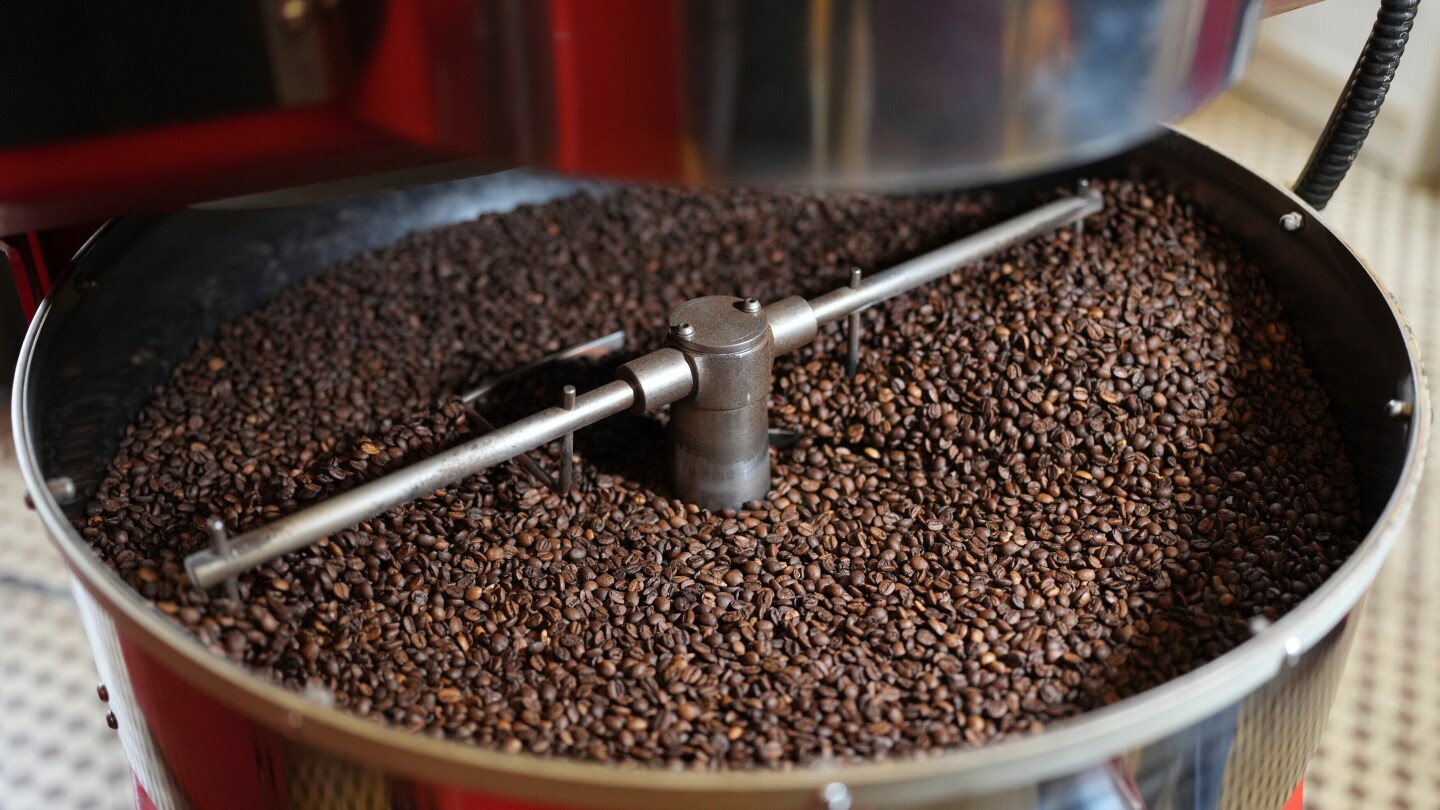
Brazilian coffee, beef and tropical fruit will still be tariffed 40%, says Brazil’s vice president
Brazilian Vice President Geraldo Alckmin announced on Saturday that key Brazilian exports to the United States, including coffee, beef, and tropical fruits, will continue to face a 40% tariff despite President Donald Trump’s recent decision to eliminate certain import taxes. This development follows Trump’s abrupt move on Friday to scrap levies imposed in April, which had initially subjected Brazilian goods to a 10% tariff. However, in July, Trump escalated the tariff to 40%, citing political motivations, including the trial of his ally, former Brazilian President Jair Bolsonaro, whom he labeled a victim of a “witch hunt.” Bolsonaro was later sentenced to 27 years in prison for attempting a coup in September. While Alckmin acknowledged the partial relief for products like orange juice, he emphasized that the 40% tariff remains a significant barrier for other exports. He described Trump’s latest decision as “positive” but highlighted the need to address the ongoing “distortion” in trade relations. The July tariff hike, which coincided with Brazil’s trade deficit with the U.S., strained bilateral ties to historic lows. However, recent diplomatic efforts, including a meeting between Brazilian President Luiz Inácio Lula da Silva and Trump in October, have signaled a thaw in relations. U.S. Secretary of State Marco Rubio and Brazil’s Foreign Minister Mauro Vieira also engaged in talks this week to advance negotiations. Meanwhile, the Trump administration defended the tariffs as a revenue-generating measure, denying their impact on rising consumer prices. In Brazil, industry leaders, such as the Brazilian Association of the Coffee Industry, pledged to monitor the situation closely to safeguard the competitiveness of their sector.
-
Colombian officials say 6 children were killed in an airstrike against a rebel group this week
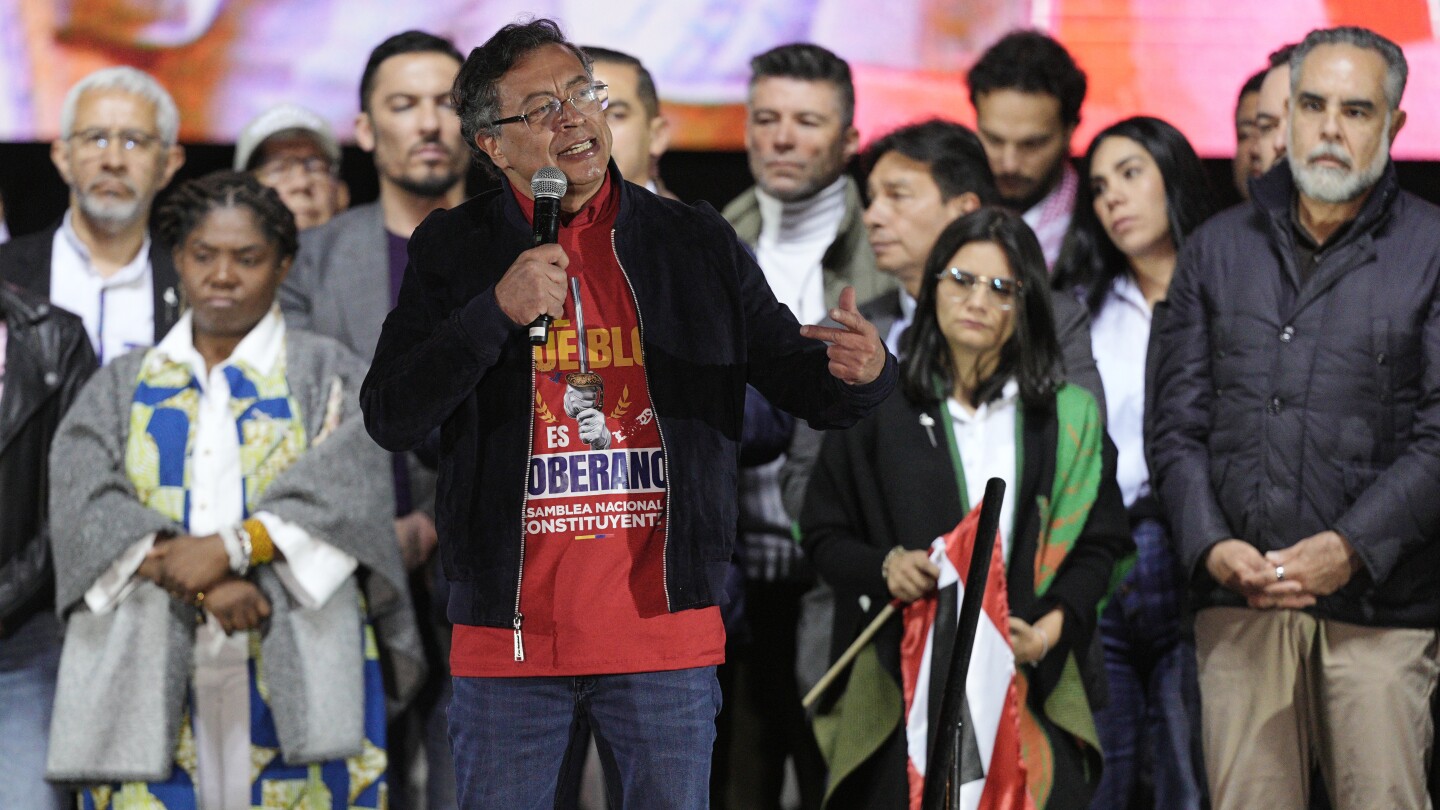
In a tragic turn of events, Colombia’s human rights ombudswoman, Iris Marin, revealed on Saturday that six children were among those killed in a recent airstrike targeting the FARC-EMC rebel group in Guaviare province. The minors, reportedly forcibly recruited by the rebels, were allegedly used as “human shields” during the military operation. Marin urged both the Colombian government and rebel factions to adhere to international humanitarian law, emphasizing that children coerced into hostilities must be protected from military actions. The incident has reignited debates over the ethical implications of military strikes in conflict zones. Colombian Defense Minister Pedro Sanchez defended the operation, asserting that those involved in hostilities forfeit protection, regardless of age. This tragedy echoes a 2019 scandal where a former defense minister resigned after the government concealed the deaths of eight children in a similar airstrike. President Gustavo Petro, who initially suspended airstrikes to minimize civilian casualties, justified the recent operation as necessary to protect Colombian troops from an advancing rebel column. Despite his administration’s efforts to curb violence, the resumption of airstrikes underscores the ongoing struggle to control territories abandoned by the FARC following their 2016 peace agreement. Petro, a vocal critic of U.S. military actions in the Caribbean, argued that Colombia’s strikes target armed combatants posing direct threats to government forces and civilians.
-
Thousands march outside COP30 summit in call for action
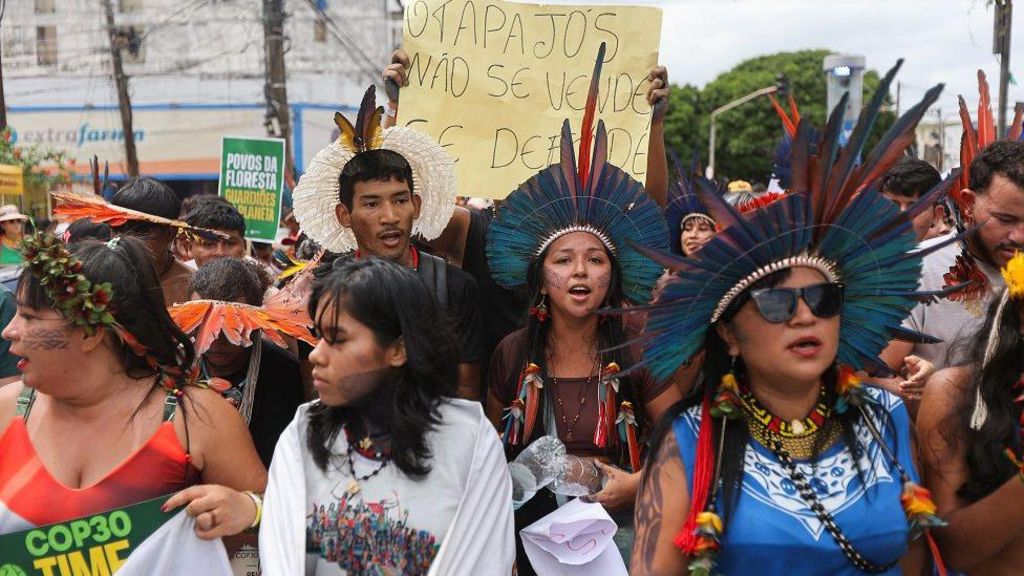
Thousands of climate activists descended upon the gates of the COP30 climate talks in Belém, Brazil, delivering a powerful message through music, chants, and symbolic protests. Under the scorching sun, demonstrators carried three giant coffins labeled ‘Oil,’ ‘Coal,’ and ‘Gas,’ flanked by grim reapers, symbolizing the death of fossil fuels. Indigenous groups held signs proclaiming ‘the answer is us,’ while inflatable elephants and anacondas weaved through the crowd. This marks the first time since 2021 that protesters have been permitted to demonstrate outside the UN climate talks, as the previous three summits were held in countries that restrict public protest.
Tuga Cíntia, a member of the theater group Hydra Dance from the Federal University of Pará, told the BBC, ‘We are holding a funeral for fossil fuels. Enough is enough with COP meetings and theory. It’s time for us to actually act.’ Indigenous communities, Brazilian youth groups, and international activists joined the march, amplifying calls for justice and the end of fossil fuel dependency.
Brianna Fruean, a climate activist from Samoa, emphasized the urgency of the situation: ‘Fossil fuels are still being burned. We know all too well what it’s like to live on the frontline of climate change.’ Ilan, from the NGO 350, echoed her sentiments, stating, ‘We are here after so many COPs, marching for justice, for the end of fossil fuels.’
The protest also highlighted indigenous rights, with signs demanding ‘demarcation now’ to secure legal ownership of ancestral territories. Hundreds of indigenous groups in the Amazon, recognized as vital protectors of biodiversity, participated in the march. Smaller protests occurred globally, including in the UK.
Security was tight at the COP30 venue, with riot police guarding the entrance. On Tuesday, protesters breached security lines, causing minor injuries to two staff and limited damage to the venue. Indigenous voices have been a focal point of the talks, with many groups expressing frustration that their concerns about deforestation, land protection, and resource extraction are being ignored.
Negotiations at COP30, hosted by Brazilian President Luiz Inácio Lula da Silva, aim to address climate change, but progress has been slow. Despite Brazil’s pledge to focus on the Amazon, the government recently granted permission to the state oil company to explore for oil at the mouth of the river. Additionally, a record number of fossil fuel lobbyists—1,600—are attending the summit, a 12% increase from last year.
In a notable absence, the US sent no delegation to the talks, following former President Donald Trump’s dismissal of climate change as ‘a con.’ Meanwhile, ten countries signed the Declaration on Information Integrity on Climate Change, an initiative to combat climate disinformation and promote evidence-based information. Brazil has promised the talks will deliver actionable outcomes, but with negotiations continuing into next week, the world watches to see if words will translate into meaningful action.
-
UK court finds mining firm liable for Brazil’s worst environmental disaster
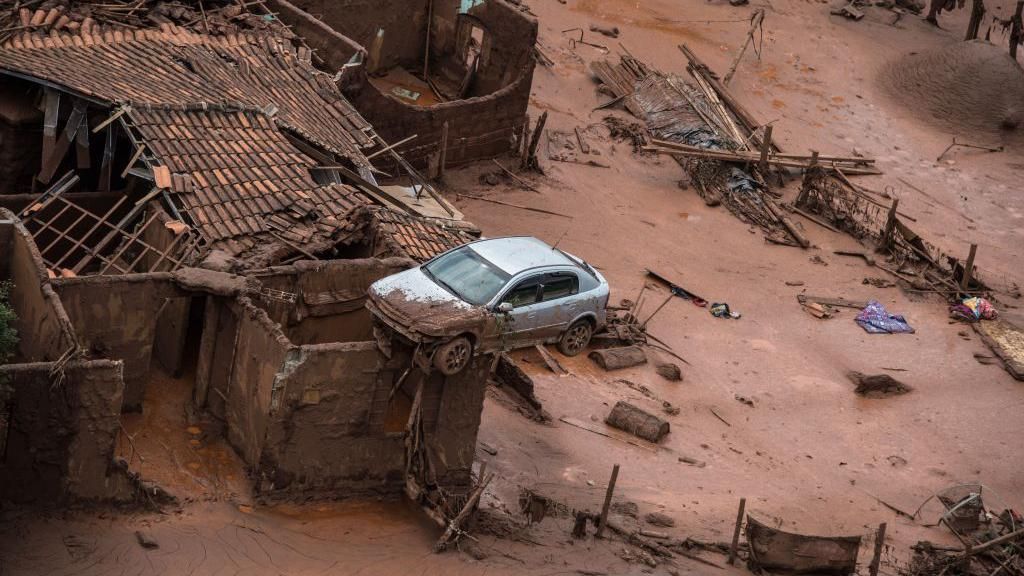
In a landmark ruling by London’s High Court, mining giant BHP has been found liable for the catastrophic 2015 collapse of the Fundão dam in Brazil, an event widely regarded as the country’s most severe environmental disaster. The collapse unleashed tens of millions of cubic meters of toxic waste and mud, devastating communities, claiming 19 lives, and causing extensive environmental damage. The civil lawsuit, representing over 600,000 claimants including individuals, local governments, and businesses, was valued at up to £36 billion ($48 billion). BHP has announced its intention to appeal the ruling, arguing that many claimants have already received compensation in Brazil. The dam, located in Mariana, southeastern Brazil, was owned by Samarco, a joint venture between BHP and Brazilian mining company Vale. The claimants’ legal team successfully argued that the case should be heard in London due to BHP’s UK headquarters at the time of the incident. A separate lawsuit against Vale is ongoing in the Netherlands, involving more than 70,000 plaintiffs. Judge Finola O’Farrell ruled that the decision to continue raising the dam’s height despite safety concerns was the direct cause of the collapse, making BHP liable under Brazilian law. BHP’s Minerals Americas president, Brandon Craig, stated that 240,000 claimants in the London lawsuit have already been compensated in Brazil, which he believes will reduce the scale of UK claims. The case has been marked by disputes between BHP and the claimants’ UK law firm, Pogust Goodhead, which has faced accusations of exploiting vulnerable Brazilians. Pogust Goodhead has denied these allegations, claiming that BHP and Vale pressured claimants into settling for less than their claims’ true value. The Renova Foundation, established by BHP and Vale, has disbursed billions in compensation and repair efforts, including building a new city for displaced residents. However, Pogust Goodhead alleges that a $30.3 billion compensation agreement signed in 2024 prevents claimants from discussing the deal or paying legal fees. The firm claims to have incurred $1 billion in borrowing costs to finance the UK case. BHP has rejected all allegations, stating that Brazil remains the most appropriate jurisdiction for compensation. The case highlights the ongoing legal and ethical complexities surrounding one of the world’s worst mining disasters.
-
Fears over migration and crime push Chile’s presidential race to the right
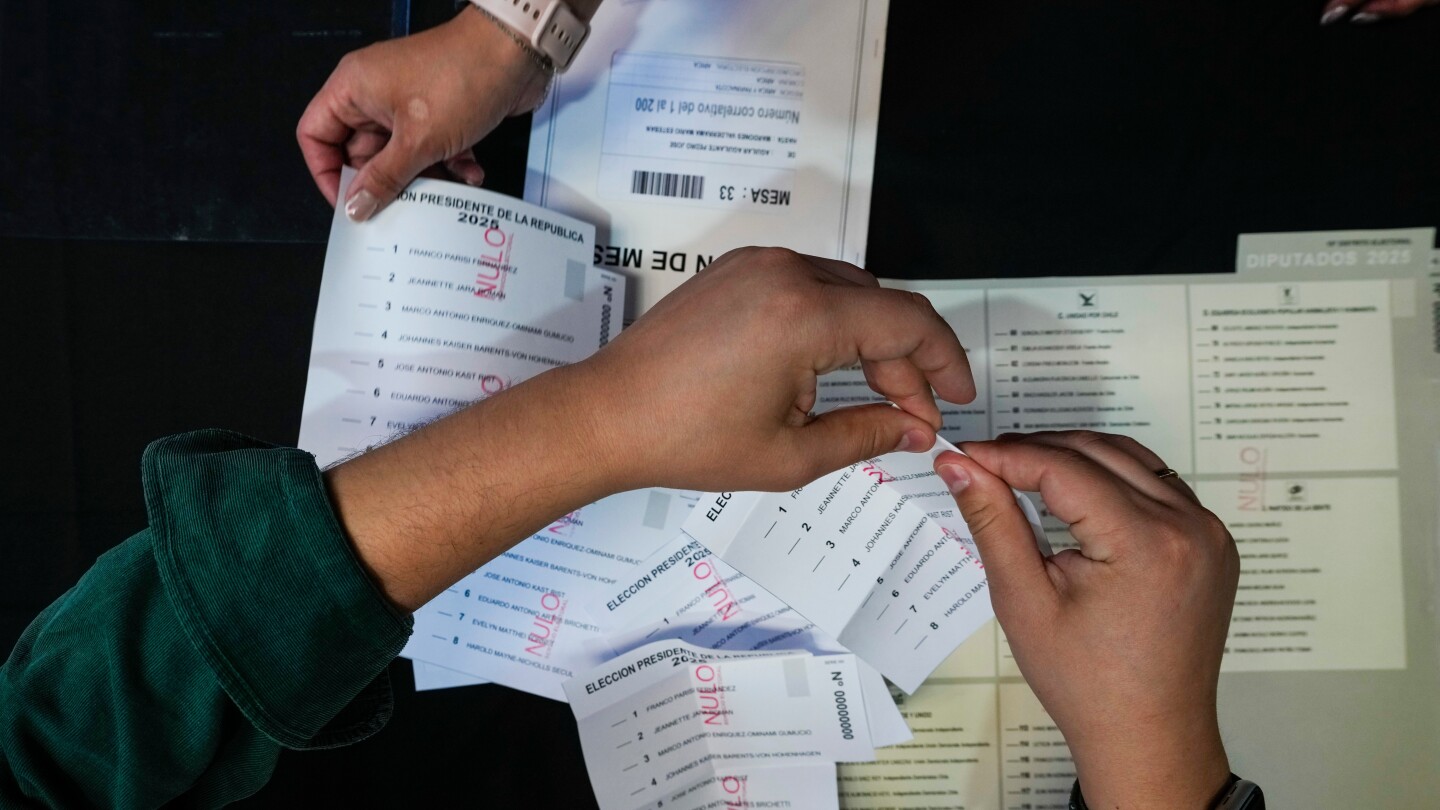
In Santiago, Chile, the final campaign rally for radical libertarian candidate Johannes Kaiser mirrored the fervor of a Donald Trump event, complete with MAGA-style caps, AC/DC anthems, and red, white, and blue flags. Kaiser, who is gaining traction ahead of Sunday’s presidential election, tapped into rising fears of uncontrolled migration, a sentiment that has pushed even the governing coalition’s Communist candidate, Jeannette Jara, to adopt tougher stances on immigration. Kaiser’s supporters, like Claudia Belmonte, praised his promises to “Make Chile Great Again,” close borders to Venezuelan migrants, and withdraw from the United Nations. The surge in anti-immigrant rhetoric reflects broader concerns over transnational gangs like Tren de Aragua, which have brought violent crimes such as kidnappings and contract killings to Chile, a nation once considered one of Latin America’s safest. This shift marks a stark contrast to the 2019 social upheaval that propelled leftist Gabriel Boric to the presidency. Now, experts say nativist fears could benefit ultraconservative candidate José Antonio Kast, who is polling strongly but unlikely to secure a first-round victory. The campaign has seen candidates across the political spectrum, including Jara, adopt hardline immigration policies inspired by figures like Trump and El Salvador’s Nayib Bukele. Kast, a devout Catholic and father of nine, has focused on his tough-on-migration platform, distancing himself from his conservative cultural values. Meanwhile, Kaiser’s extreme proposals, such as building a border wall and mass deportations, have positioned him as a more radical alternative. The election underscores a broader redirection of public anger from economic inequality to immigration, reshaping Chile’s political landscape.
-
Indigenous groups demand attention at UN climate talks in Brazil
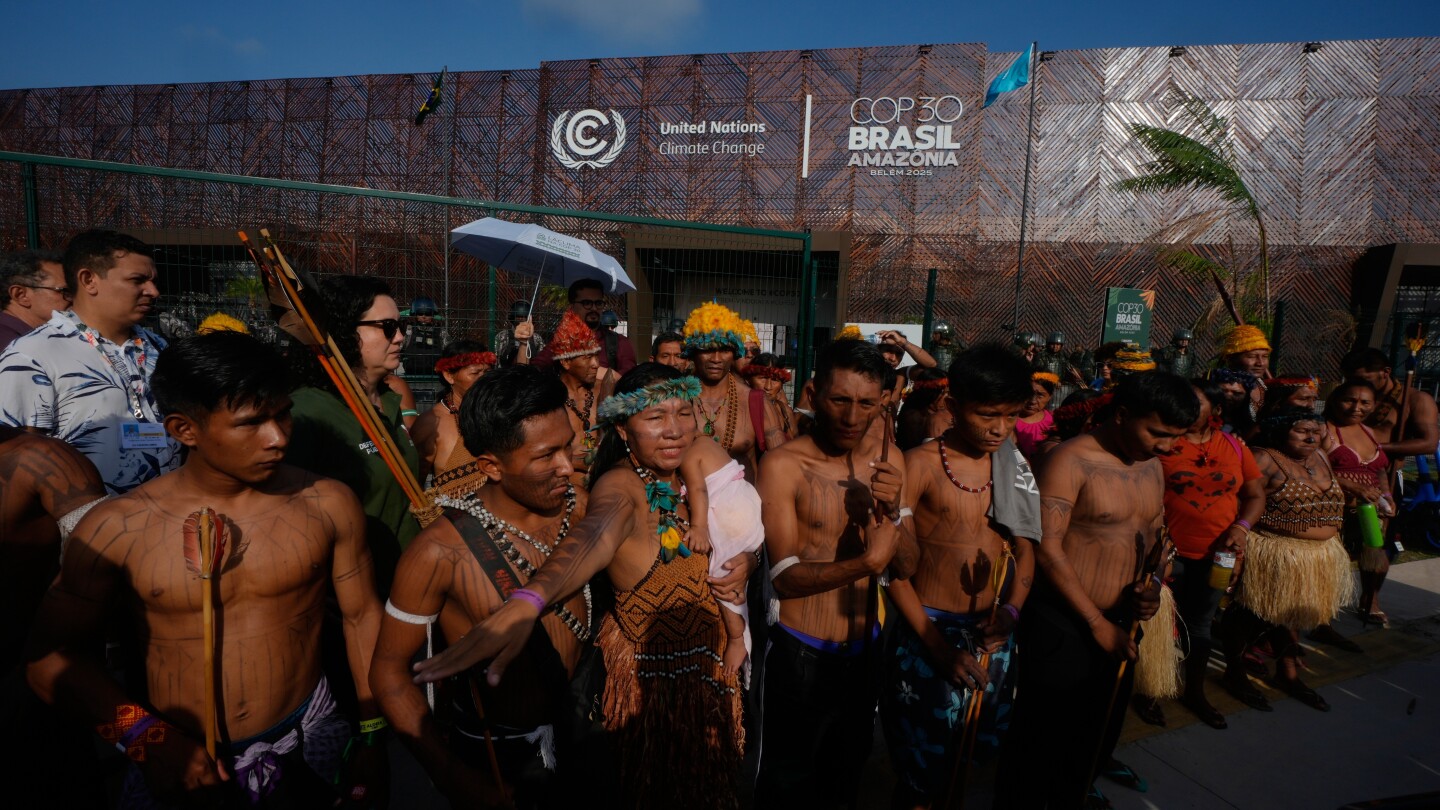
In Belem, Brazil, the 2025 United Nations Climate Change Conference (COP30) has become a platform for Indigenous communities to amplify their voices. On Friday, Indigenous protesters disrupted access to the main venue, demanding urgent action on climate change and greater respect for their rights. The peaceful demonstration, led by members of the Munduruku Indigenous group, blocked the entrance, forcing attendees to use a side door and causing significant delays. Cris Julião Pankararu, a representative of the Pankararu people, described the protest as ‘a scream’ against the violation of Indigenous rights and exclusion from decision-making processes. Brazilian military personnel prevented demonstrators from entering the site, while activists formed human chains around the venue. COP30 President André Corrêa do Lago engaged with the protesters, even holding a baby during discussions, before the entrance reopened at 9:37 a.m. The Munduruku group presented a list of demands to Brazilian President Luiz Inácio Lula da Silva, including the cancellation of commercial river development projects, a grain railway initiative, and deforestation carbon credits. They emphasized their role as protectors of the Amazon and climate, rejecting the destruction of their lands for corporate gain. Conference CEO Ana Toni highlighted the inclusivity of COP30, with over 900 Indigenous participants, a record number. However, activists like Harjeet Singh expressed frustration over the lack of progress in past COPs, calling for tangible actions rather than mere discussions. Meanwhile, Indigenous leaders from the Ecuadorian Amazon warned of an irreversible tipping point due to oil drilling, mining, and agribusiness expansion. They urged for direct climate finance and stronger protections for Indigenous rights and nature. The protests underscore the growing urgency for global climate action and the need to center Indigenous voices in environmental decision-making.
-
Suriname and Curacao move closer to historic World Cup qualification
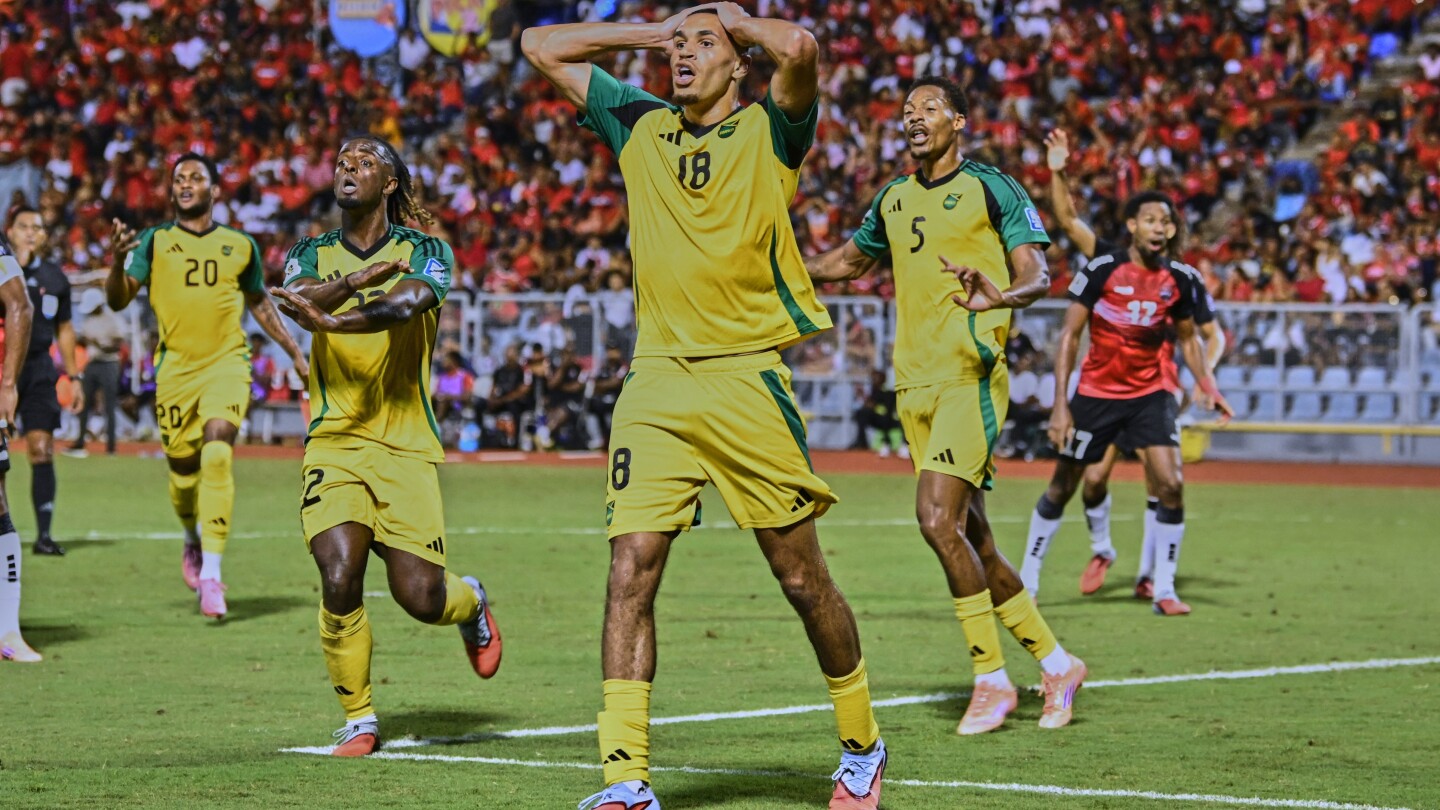
In a commanding performance on Thursday, Suriname triumphed over El Salvador with a resounding 4-0 victory in the CONCACAF World Cup qualifiers, edging closer to securing their first-ever spot in the prestigious tournament. The match, held in Paramaribo, saw Richonell Margaret shine with two rapid-fire goals in the 74th and 76th minutes, cementing Suriname’s dominance. Earlier, Tjaronn Cherry opened the scoring with a penalty kick in the 44th minute, while Dhoraso Moreo Klass added a final goal in the 83rd minute. With this win, Suriname remains undefeated in Group A, tied with Panama at nine points but holding a superior goal difference. The team will face Guatemala next Tuesday, while Panama hosts El Salvador. Twelve teams across three groups are competing for three direct spots in next year’s World Cup, with the United States, Canada, and Mexico already qualified as co-hosts. Suriname, a founding member of CONCACAF in 1961, is making its first appearance in the final round of qualifying since 1978. Meanwhile, El Salvador’s fourth consecutive loss eliminates them from contention. In other qualifiers, Curacao delivered a stunning 7-0 victory over Bermuda, with Jordi Paulina scoring twice, and Nicaragua upset Honduras 2-0, leaving Group C undecided heading into the final round.
-

England takes 9-win streak into All Blacks clash and Ireland hosts wobbling Wallabies
In a dramatic showdown at Twickenham, England narrowly lost to New Zealand 24-22 last year, with George Ford bearing the brunt of the crowd’s frustration. Ford missed two crucial opportunities in the final moments, hitting the post with a penalty and narrowly missing a drop goal. Coach Steve Borthwick also faced criticism for his substitution strategy, replacing the in-form Marcus Smith with Ford, who was returning from a five-week break. Despite the backlash, Borthwick and Ford remain key figures as England prepares to host the All Blacks this Saturday, aiming to cap off a year of redemption. Ford, who made way for Fin Smith during the Six Nations, later co-captained England to a series victory in Argentina and celebrated his 100th test. Borthwick has led England to nine consecutive wins, their longest streak in eight years, and has earned praise for bold selections, including a bench stacked with six British and Irish Lions. Borthwick has even predicted that Ford could become a future England coach, citing his deep understanding of the game. Meanwhile, New Zealand’s coach Scott Robertson emphasized the importance of history and learning from past performances. Australia, on the other hand, faces a challenging European tour, with second-year coach Joe Schmidt lamenting recent results and preparing to hand over the reins to Les Kiss next year. Elsewhere, South Africa, France, and Wales are gearing up for crucial matches, with the Wales-Japan game potentially impacting the 2027 Rugby World Cup draw. Scotland will also face Argentina on Sunday, as the rugby world anticipates a weekend of high-stakes action.
-
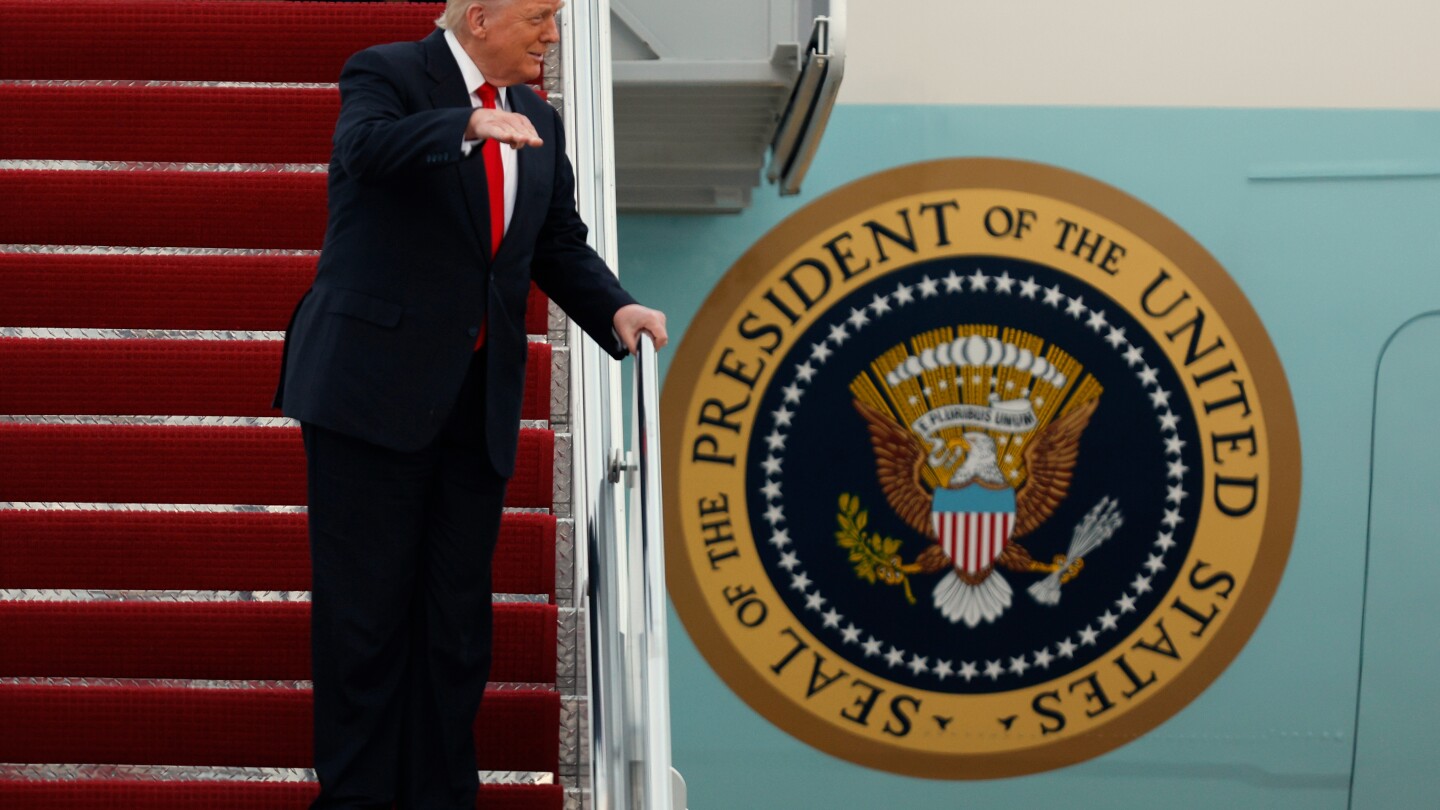
Trump administration says it has trade frameworks with Argentina, Ecuador, El Salvador and Guatemala
The Trump administration announced on Thursday the establishment of preliminary trade frameworks with Argentina, Ecuador, El Salvador, and Guatemala. These agreements aim to enhance the ability of U.S. companies to export industrial and agricultural products to these nations. A senior administration official, who spoke on condition of anonymity, revealed that the frameworks focus on reducing non-tariff barriers, eliminating tariffs on American-made goods, and preventing the imposition of digital services taxes on U.S. firms. Additionally, select products from these countries will receive tariff relief, and import licenses will be streamlined. Intellectual property rights issues will also be addressed. The agreements are expected to be finalized and signed within approximately two weeks. This initiative is part of President Donald Trump’s broader strategy to reshape global trade dynamics through the use of tariffs. Argentine President Javier Milei praised the agreement as a significant milestone, marking Argentina’s first bilateral trade framework with the U.S. in nearly a decade. Guatemalan President Bernardo Arévalo also welcomed the deal, noting that 70% of Guatemalan exports to the U.S. would face zero tariffs under the framework. The U.S. currently imposes a 10% tariff on goods from Argentina, El Salvador, and Guatemala, and a 15% tariff on Ecuadorian products. The administration has indicated that tariffs on commodities like coffee, cocoa, and bananas could be reduced, addressing affordability concerns for U.S. consumers.