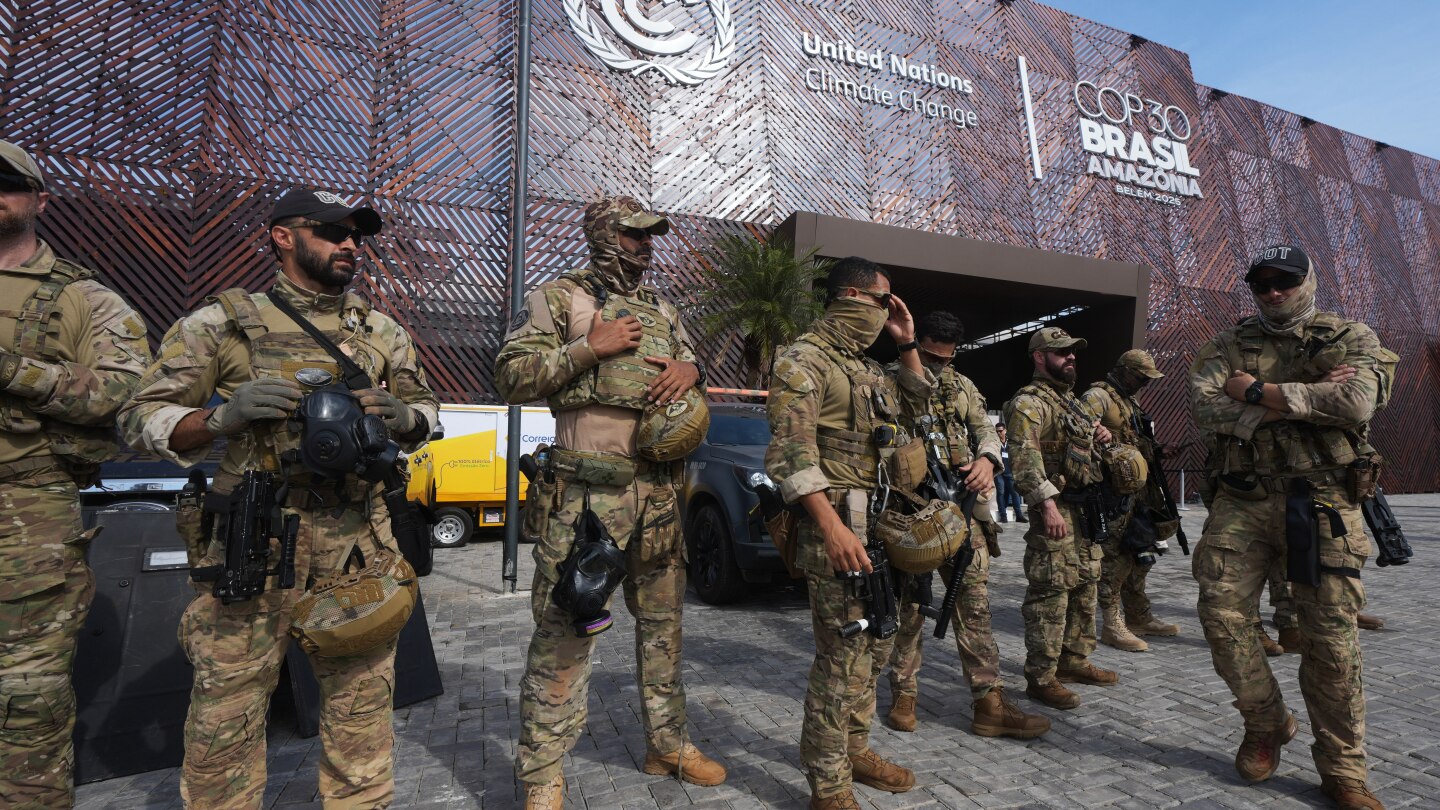
At the COP30 United Nations climate summit in Belem, Brazil, President Luiz Inácio Lula da Silva called for urgent global action to reduce reliance on fossil fuels, emphasizing the need for a collective transition to renewable energy. Despite his presence and that of UN Secretary-General António Guterres, progress on key issues remains slow, with negotiators missing self-imposed deadlines. Lula, flanked by Brazilian negotiators and his wife, stressed the existential threat of climate change, stating, ‘We haven’t found another place to live.’ He advocated for a flexible approach, allowing countries to transition at their own pace while receiving financial support. COP30 President André Corrêa do Lago had set a Wednesday deadline for decisions on four critical issues: toughening climate plans, distributing $300 billion in climate aid, addressing trade barriers, and improving transparency. However, negotiations have yet to yield concrete outcomes. Scientists criticized the proposed fossil fuel phaseout road map as inadequate, urging a more detailed and actionable plan. Lula also promoted the Tropical Forests Forever Facility, a multibillion-dollar fund aimed at incentivizing forest conservation. Despite the challenges, experts like Neil Grant of Climate Analytics remain hopeful, asserting that existing tools can still achieve the Paris Agreement’s goals. Over 110 climate action plans were celebrated at the summit, highlighting ongoing efforts to implement past agreements. COP30 Climate Champion Dan Ioschpe emphasized the importance of real-world implementation, particularly in industries like aviation, maritime, and agriculture. A new initiative aims to secure $1 trillion in investments to upgrade global electricity grids, renewable energy storage, and biofuel production.
标签: South America
南美洲
-
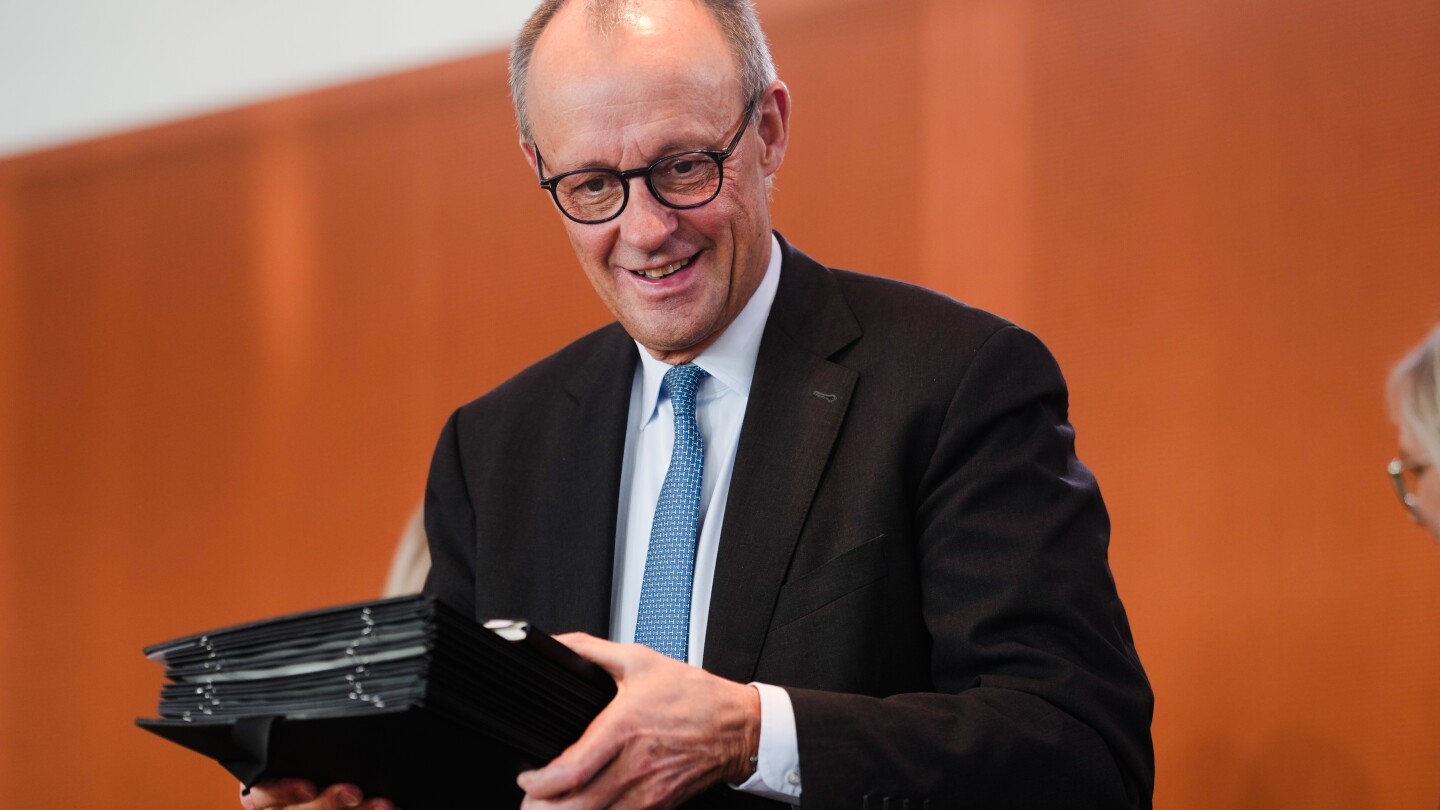
Merz spokesperson defends German leader over remarks criticized in Brazil
BERLIN (AP) — The spokesperson for German Chancellor Friedrich Merz has firmly denied allegations that the leader intended to belittle Brazil during his recent visit to the city hosting the U.N. climate summit. The controversy arose following remarks made by Merz that sparked significant backlash from Brazilian officials, including President Luiz Inácio Lula da Silva, the mayor of Belem, the governor of Para state, and several lawmakers. Merz’s comments, delivered during a trade conference in Berlin, were interpreted as an attempt to contrast Germany’s economic struggles with the perceived conditions in Brazil. In his speech, Merz remarked, ‘We live in one of the most beautiful countries in the world. Last week I asked some journalists who were with me in Brazil: Which of you would like to stay here? No one raised their hand. They were all happy that, above all, we returned from this place to Germany in the night from Friday to Saturday.’ On Wednesday, Merz’s spokesperson, Stefan Kornelius, addressed the issue at a government news conference, stating, ‘It is far from the chancellor to comment in a derogatory way about Brazil.’ Kornelius emphasized that Merz had utilized his brief visit to Brazil to ‘deepen the excellent relations Germany has with Brazil.’ He further clarified that Merz’s impression of the trip had been ‘very positive’ and reiterated Brazil’s importance as Germany’s ‘most important partner geostrategically and economically in South America.’ Kornelius explained that the disputed remark ‘essentially concerned the wish of the delegation to return home after a very tiring night flight and a long day in Belem.’ He added, ‘When the chancellor says that we live in one of the most beautiful countries in the world, that doesn’t mean other countries aren’t also very beautiful.’ When questioned about the possibility of an apology or any damage to bilateral relations, Kornelius responded with a definitive ‘No, twice.’
-
British woman among five killed in Chile snowstorm
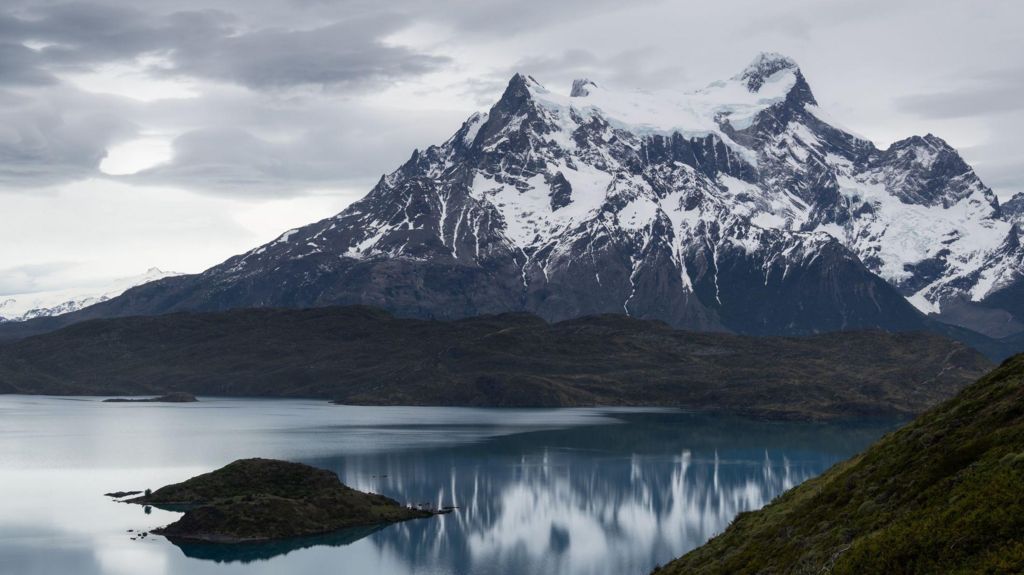
A tragic snowstorm in Chilean Patagonia has claimed the lives of five individuals, including a British woman. Victoria Bond, hailing from Cornwall, was identified by Chilean authorities as one of the victims in the Torres del Paine National Park, a renowned tourist destination in southern Chile. The incident also claimed the lives of two German and two Mexican nationals, as confirmed by Jose Antonio Ruiz, the presidential delegate of the Magallanes region. The victims’ bodies were discovered on Tuesday amidst severe weather conditions characterized by heavy snowfall and winds reaching up to 118mph (190km/h). The Foreign, Commonwealth and Development Office has expressed its support for the bereaved family of the British woman and is actively engaging with local authorities. Chilean officials have concluded the search operations and are now focused on repatriating the bodies and coordinating with foreign consulates. Chilean President Gabriel Boric Font extended his heartfelt condolences to the families and friends of the deceased, emphasizing the unwavering support of Chilean authorities during this challenging period.
-
Haiti reach World Cup despite coach having never been to the country
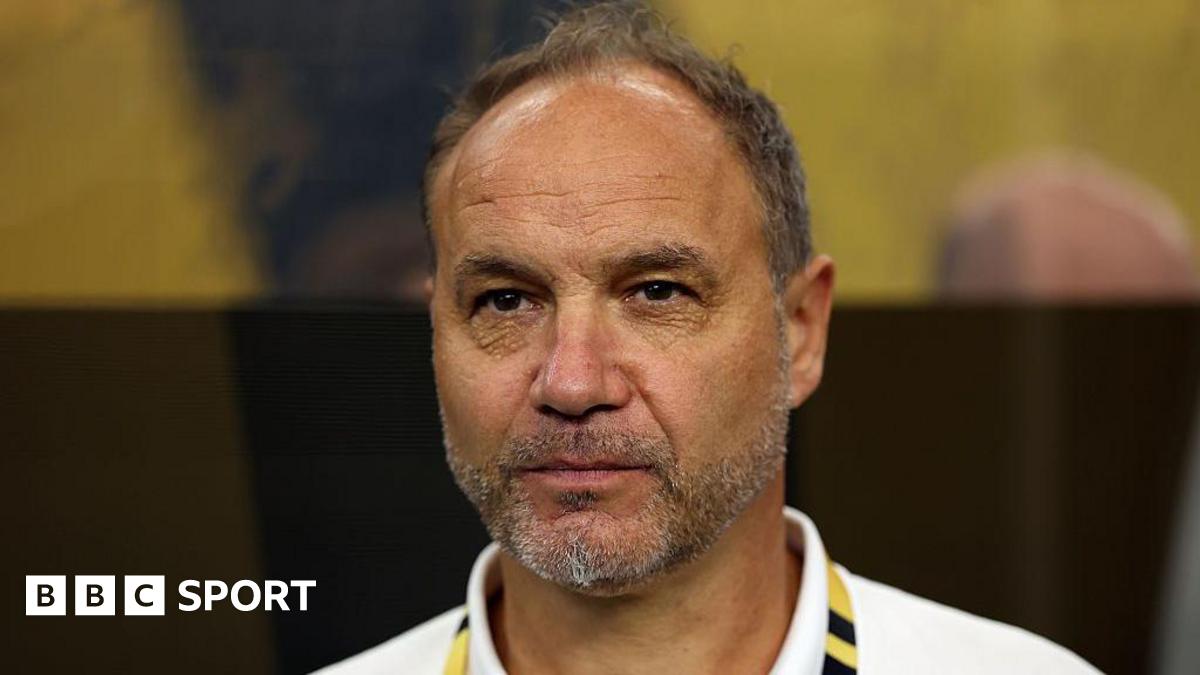
Haiti has achieved a remarkable milestone by qualifying for the FIFA World Cup for only the second time in their history, defeating Nicaragua 2-0 in a crucial match. This triumph comes despite the immense challenges faced by the team, including their French coach, Sebastien Migne, who has never set foot on Haitian soil since his appointment 18 months ago. Due to ongoing conflict and instability in Haiti, the team has been forced to play their home matches 500 miles away in Curacao, a small island nation off the coast of Venezuela. Haiti has been in turmoil since the devastating 2010 earthquake, with armed gangs controlling much of the capital, Port-au-Prince, displacing 1.3 million people and exacerbating severe food shortages. Travel advisories warn against visiting the country due to risks of kidnappings, crime, and civil unrest. Migne, who previously served as Cameroon’s assistant coach at the last World Cup, has managed the team remotely, relying on information from Haitian football federation officials. The squad, now entirely foreign-based, includes players like Wolves’ Jean-Ricner Bellegarde and hopes to recruit Sunderland’s Wilson Isidor. Haiti’s qualification marks their first World Cup appearance since 1974, joining Panama and debutant Curacao from the Concacaf region. Their previous World Cup campaign in 1974 ended in a first-round exit after losses to Italy, Poland, and Argentina.
-

Curacao become smallest nation to qualify for World Cup
The Caribbean island of Curacao has etched its name in football history by becoming the smallest nation ever to qualify for the FIFA World Cup. With a population of just over 150,000 and a land area of 171 square miles, Curacao surpassed Iceland’s previous record as the smallest nation to reach the tournament. Their qualification was sealed with a goalless draw against Jamaica in Kingston, a result that dashed Jamaica’s hopes of returning to the World Cup for the first time since 1998. The match saw a dramatic moment in injury time when a penalty awarded to Jamaica was overturned by VAR, sparking celebrations among Curacao’s players and fans. Curacao’s head coach, Dick Advocaat, who was absent for personal reasons, will become the oldest coach in World Cup history at 78. The team’s remarkable journey to the 2026 World Cup, which will feature 48 nations, marks a significant milestone for the nation, which only became a country within the Kingdom of the Netherlands in 2010. Curacao’s rise from 150th in FIFA’s rankings a decade ago to their current 82nd position is a testament to their progress. Midfielder Juninho Bacuna, who played a pivotal role in the campaign, described the achievement as “crazy” and “incredible,” highlighting the team’s unbeaten run in 10 qualifying matches. Curacao will join Cape Verde, Uzbekistan, and Jordan as debutants in the expanded 2026 tournament. The team’s success has also inspired Dutch-born players with family ties to Curacao to represent the nation, further strengthening the squad. Bacuna emphasized the importance of Advocaat’s leadership and the team’s unity in achieving this historic feat. As Curacao prepares for their World Cup debut, their fairytale journey continues to captivate football fans worldwide.
-

Freeman scores twice as US routs Uruguay 5-1, heads into World Cup year with 5-game unbeaten streak
In a commanding display of skill and strategy, the United States soccer team delivered a resounding 5-1 victory over Uruguay on Tuesday night in Tampa, Florida. The match, which saw the U.S. score four goals in the first half, marked a significant milestone as the team prepares for the upcoming World Cup. Alex Freeman led the charge with two goals, while Sebastian Berhalter and Diego Luna each contributed one. Tanner Tessmann added a fifth goal in the 68th minute, sealing the win. This victory is particularly noteworthy as it represents the first time the U.S. has scored five goals against a South American opponent and a top 30-ranked team. The 16th-ranked Americans have now extended their unbeaten streak to five games, showcasing a remarkable turnaround after earlier struggles in the CONCACAF Nations League and Gold Cup. With just two more friendlies scheduled before the World Cup roster is finalized, coach Mauricio Pochettino has much to consider. The match also saw Uruguay’s Rodrigo Bentancur sent off in the 64th minute for a high sliding tackle on Berhalter. Despite Uruguay’s six-game unbeaten streak entering the friendly, they were unable to contain the U.S. offense. The U.S. team, fielding a lineup of mostly backups, achieved a historic four-goal first half against a South American team. Uruguay’s Giorgian de Arrascaeta managed a consolation goal in stoppage time, but it was not enough to shift the momentum. The U.S. victory was a collective effort, with key plays from Berhalter, Freeman, and Luna, and a solid performance from the defense. As the World Cup approaches, this match serves as a strong statement of the U.S. team’s capabilities and readiness.
-
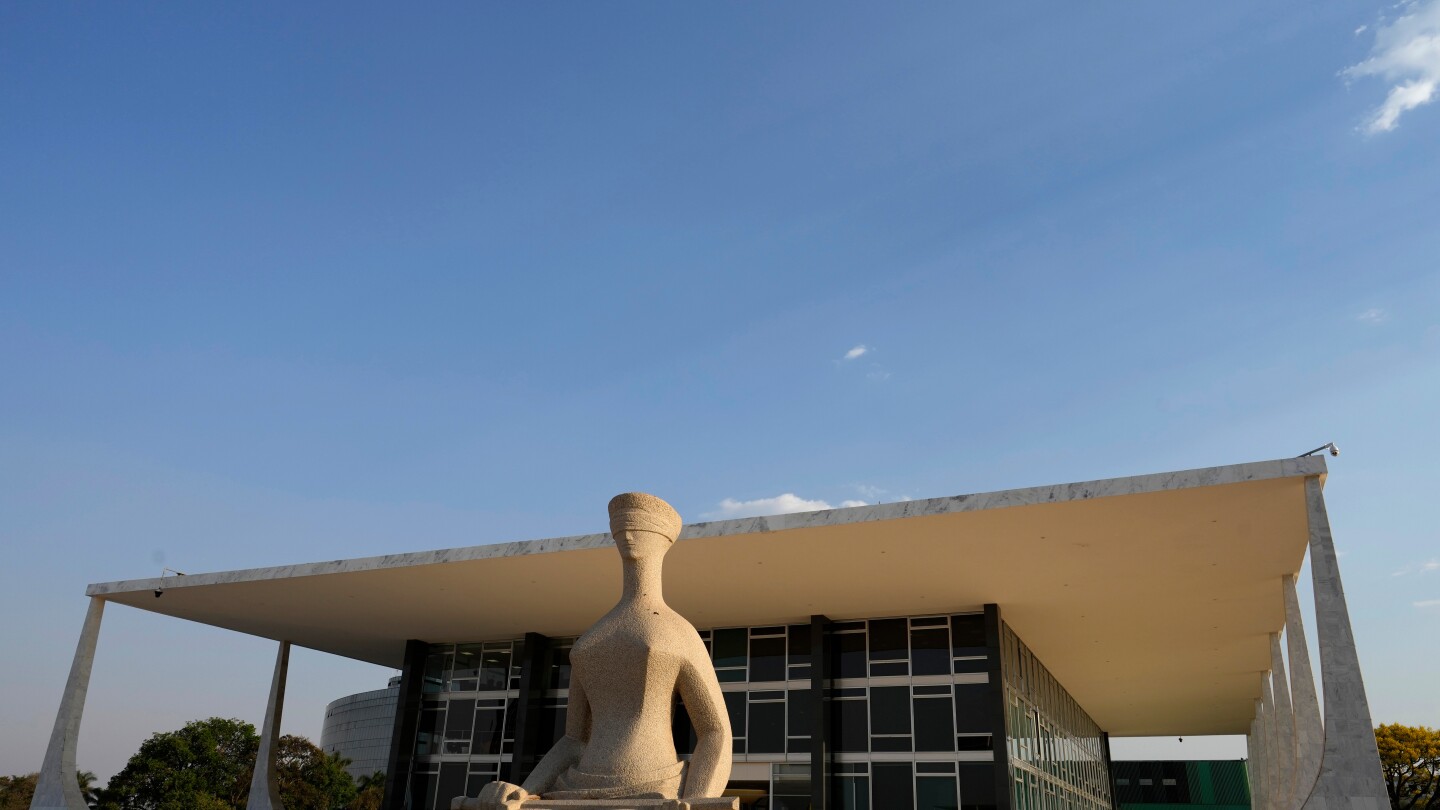
Brazil’s Supreme Court sentences military officials for planning to kill Lula
In a landmark ruling, Brazil’s Supreme Court has sentenced high-ranking military officials and a federal police officer to prison terms of up to 24 years for their roles in a foiled coup attempt and a plot to assassinate President Luiz Inácio Lula da Silva and other key government figures. The verdict, delivered on Tuesday, marks a significant moment in Brazil’s ongoing struggle to uphold democratic institutions and combat political extremism.
-
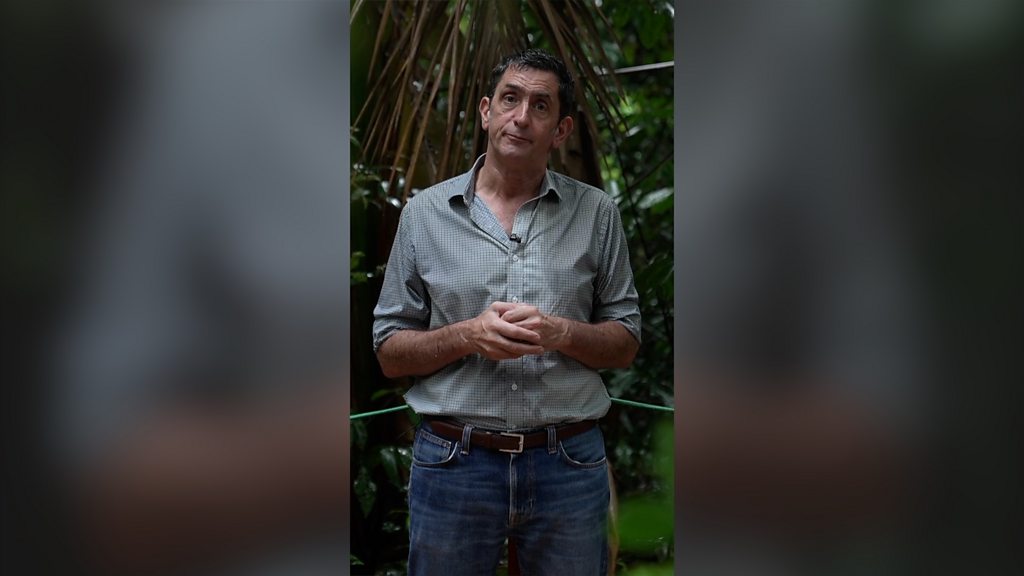
How lifting the Amazon’s soya bean ban could threaten the rainforest
The Amazon rainforest, often referred to as the ‘lungs of the Earth,’ is once again under threat as discussions intensify to lift a decades-old ban on soya bean cultivation in the region. This ban, implemented to curb deforestation and preserve biodiversity, has been a critical safeguard for the rainforest. However, recent pressures from agricultural industries and economic interests have reignited debates about its removal. Environmental experts warn that revoking the ban could lead to a dramatic increase in deforestation, as soya bean farming often requires large-scale land clearing. The Amazon, already grappling with illegal logging and wildfires, could face irreversible damage, further exacerbating global climate change. The potential lifting of the ban raises concerns about the balance between economic development and environmental conservation, highlighting the urgent need for sustainable solutions.
-
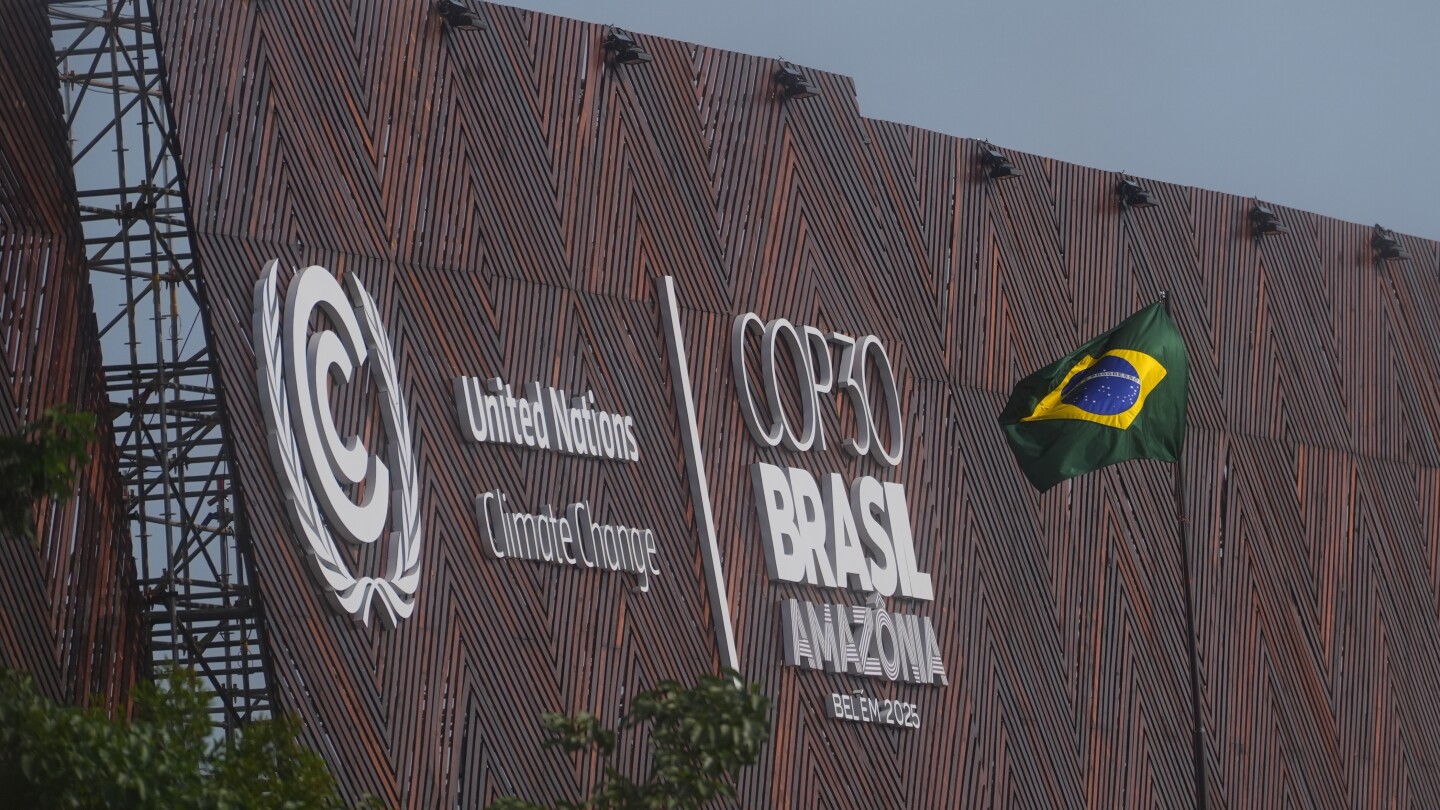
Artificial intelligence sparks debate at COP30 climate talks in Brazil
At the U.N. climate talks in Belem, Brazil, artificial intelligence (AI) has emerged as a double-edged sword in the fight against global warming. Known as COP30, the conference has become a battleground for debates on AI’s potential to both combat and exacerbate climate change. Tech companies and several nations are championing AI as a transformative tool, capable of enhancing electrical grid efficiency, aiding farmers in weather prediction, tracking marine species, and designing resilient infrastructure. However, climate activists are raising alarms over AI’s environmental toll, particularly its escalating demand for electricity and water to power data centers and search operations. They argue that unchecked AI growth could derail global efforts to meet the 2015 Paris Agreement targets. Jean Su, energy justice director at the Center for Biological Diversity, labeled AI as ‘a completely unregulated beast,’ while Adam Elman, Google’s sustainability director, hailed it as ‘a real enabler.’ The conference featured at least 24 AI-related sessions, including discussions on AI-driven energy sharing between cities, forest crime prediction, and an award for an AI project addressing water scarcity in Laos. Despite its promise, AI’s environmental impact remains a pressing concern. Data centers, essential for AI operations, consume vast amounts of electricity and water, contributing significantly to emissions. The International Energy Agency reported that data centers accounted for 1.5% of global electricity consumption in 2024, with their energy use growing at 12% annually since 2017. Environmental groups at COP30 are advocating for stricter regulations, such as mandatory renewable energy use in data centers and public interest assessments for new facilities. As AI continues to evolve, its role in climate change remains a contentious issue, balancing immense potential with significant risks.
-
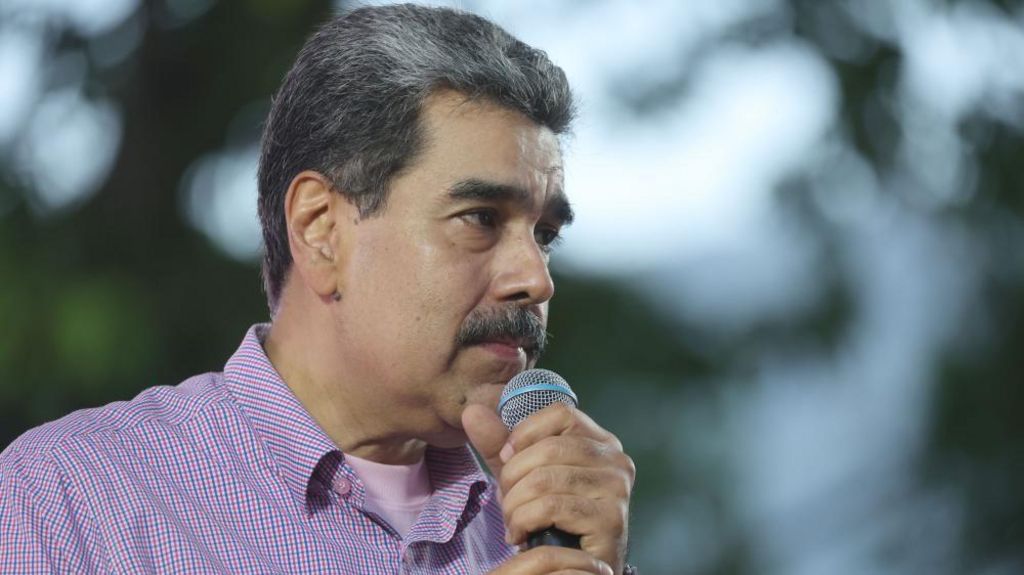
Venezuela’s Maduro ‘ready to talk’ as US ramps up pressure
Venezuelan President Nicolás Maduro has expressed willingness to engage in direct talks with the Trump administration as US pressure intensifies. This comes in response to US President Donald Trump’s refusal to rule out deploying ground forces to Venezuela. The Trump administration has accused Maduro, whose 2024 re-election was widely criticized as fraudulent, of leading a drug cartel. Maduro denies these allegations, countering that the US aims to provoke a war to seize Venezuela’s oil reserves. Since Trump’s second inauguration in January, the US has ramped up its efforts against Maduro, doubling the reward for his capture to $50 million and launching ‘Operation Southern Spear,’ a counternarcotics mission targeting suspected drug-trafficking vessels. Over 80 people have died in US strikes on these vessels, primarily in the Caribbean. US Secretary of War Pete Hegseth claims the operation aims to eliminate ‘narcoterrorists’ from the Western Hemisphere, though legal experts question its legality due to a lack of evidence. The deployment of the USS Gerald Ford, the US Navy’s largest aircraft carrier, has fueled speculation that the US seeks to oust Maduro. Trump’s ambiguous statements have added to the uncertainty. While he initially downplayed the possibility of war, he later refused to rule out ground troops in Venezuela. The US State Department has also announced plans to designate the alleged Maduro-led Cartel de los Soles as a Foreign Terrorist Organization (FTO), effective November 24. Analysts interpret this delay, coupled with Trump’s openness to talks, as an ultimatum for Maduro to negotiate or face harsher measures. Meanwhile, Venezuelan opposition leader María Corina Machado has called for the military to defect, labeling Maduro’s government as a ‘criminal structure’ and advocating for accountability for human rights abuses. Maduro, addressing the US public directly in English, has reiterated his commitment to dialogue and peace.