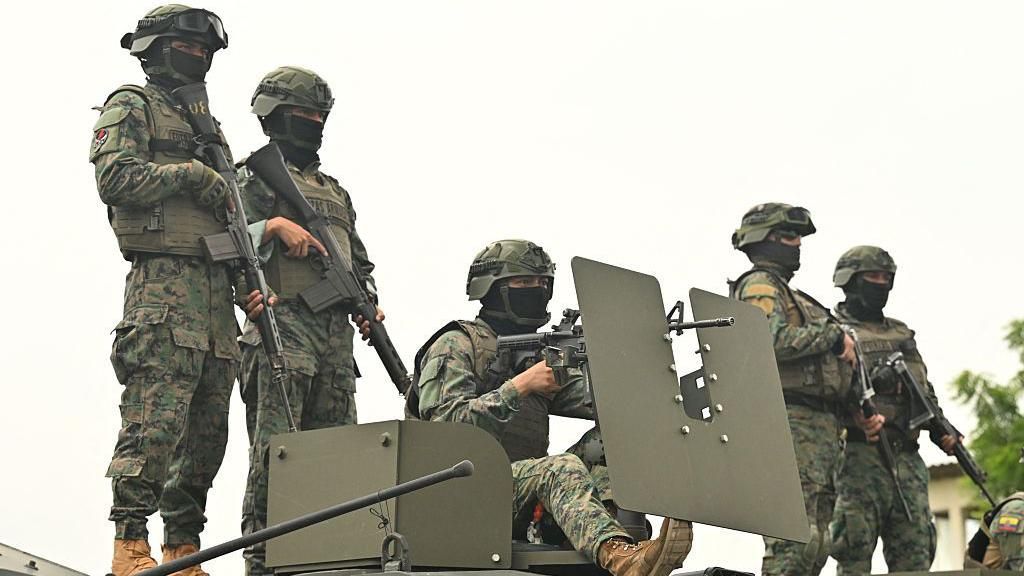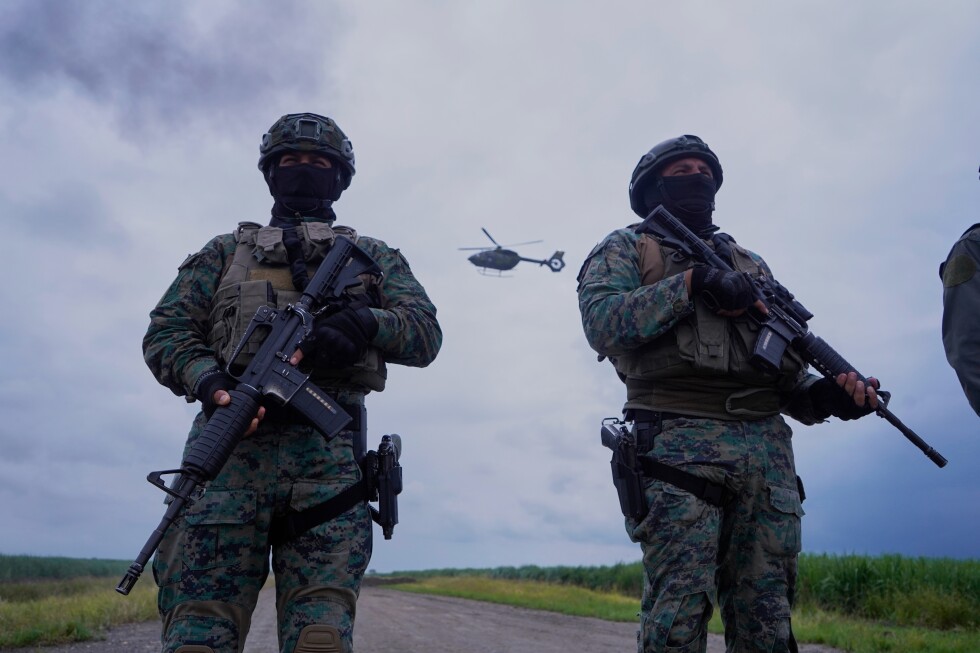
A diplomatic rift between South American neighbors Ecuador and Colombia has intensified following allegations of cross-border military operations. Ecuadorian President Daniel Noboa firmly rejected claims made by Colombian counterpart Gustavo Petro that Ecuadorian forces had bombed targets within Colombian territory.
President Noboa utilized social media platform X to articulate his government’s position, stating Ecuador is ‘combating narco-terrorism in all its forms’ and conducting bombings exclusively within its sovereign territory. ‘We are targeting locations serving as hideouts for these groups, many of which are Colombian,’ Noboa asserted, emphasizing the operations’ domestic nature.
The controversy emerged after President Petro presented allegations during a televised cabinet meeting, claiming Colombian officials had discovered evidence of Ecuadorian bombings on Colombian soil. Without providing substantiating evidence, Petro declared, ‘We are being bombed from Ecuador, and it’s not rebel groups who are doing it.’ The Colombian leader further revealed he had solicited intervention from U.S. President Donald Trump to persuade Noboa to cease alleged operations in Colombian territory.
This diplomatic confrontation unfolds against the backdrop of deteriorating relations between the formerly close commercial and security partners. The tension escalated significantly in January when Ecuador imposed substantial tariffs on Colombian imports, initially setting them at 30% before increasing to 50%. President Noboa characterized these measures as a ‘security tax,’ maintaining they would remain until Colombia demonstrates more robust action against drug traffickers and rebel groups crossing into Ecuador.
President Petro has countered accusations of inadequate anti-trafficking efforts, highlighting his government’s actions against cocaine shipments through Ecuadorean ports. In retaliation, Colombia has implemented its own tariffs on Ecuadorean goods.
The dispute occurs amid Colombia’s preparation for presidential elections in May and reflects contrasting approaches to regional security. Noboa’s conservative administration struggles with escalating drug violence that has quintupled Ecuador’s homicide rate over five years, prompting nightly curfews in four provinces. Recently, Ecuador conducted joint anti-narcotics operations with U.S. forces near the Colombian border utilizing drones, helicopters, and river patrols.
Meanwhile, Petro’s leftist government pursues a ‘total peace’ strategy involving negotiations with remaining rebel groups—a approach critics argue has allowed these organizations to strengthen their control over territories previously dominated by FARC guerrillas who demobilized in 2016.