标签: South America

南美洲

  • As Trump targets Venezuela, its allies Russia and China show little signs of support

    As Trump targets Venezuela, its allies Russia and China show little signs of support

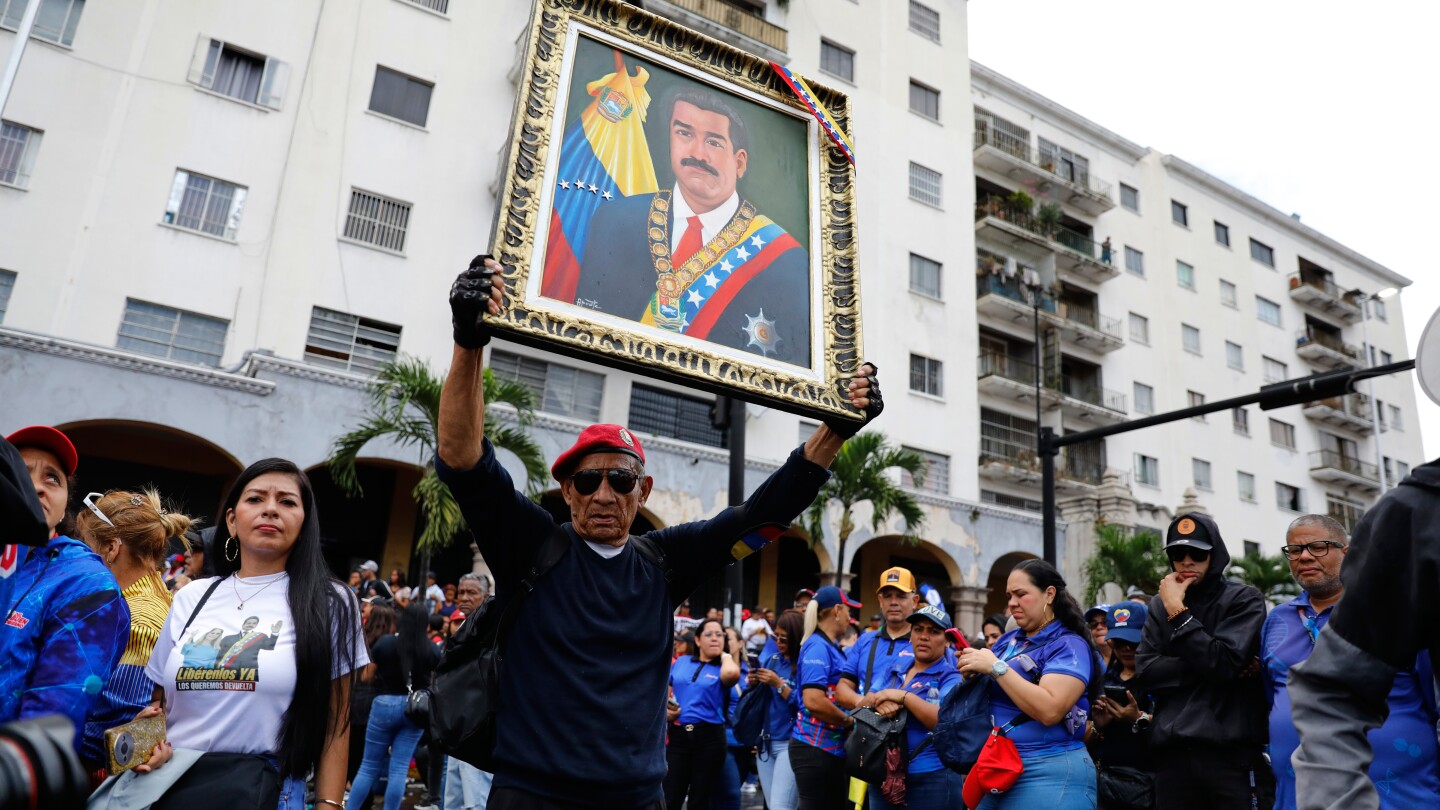
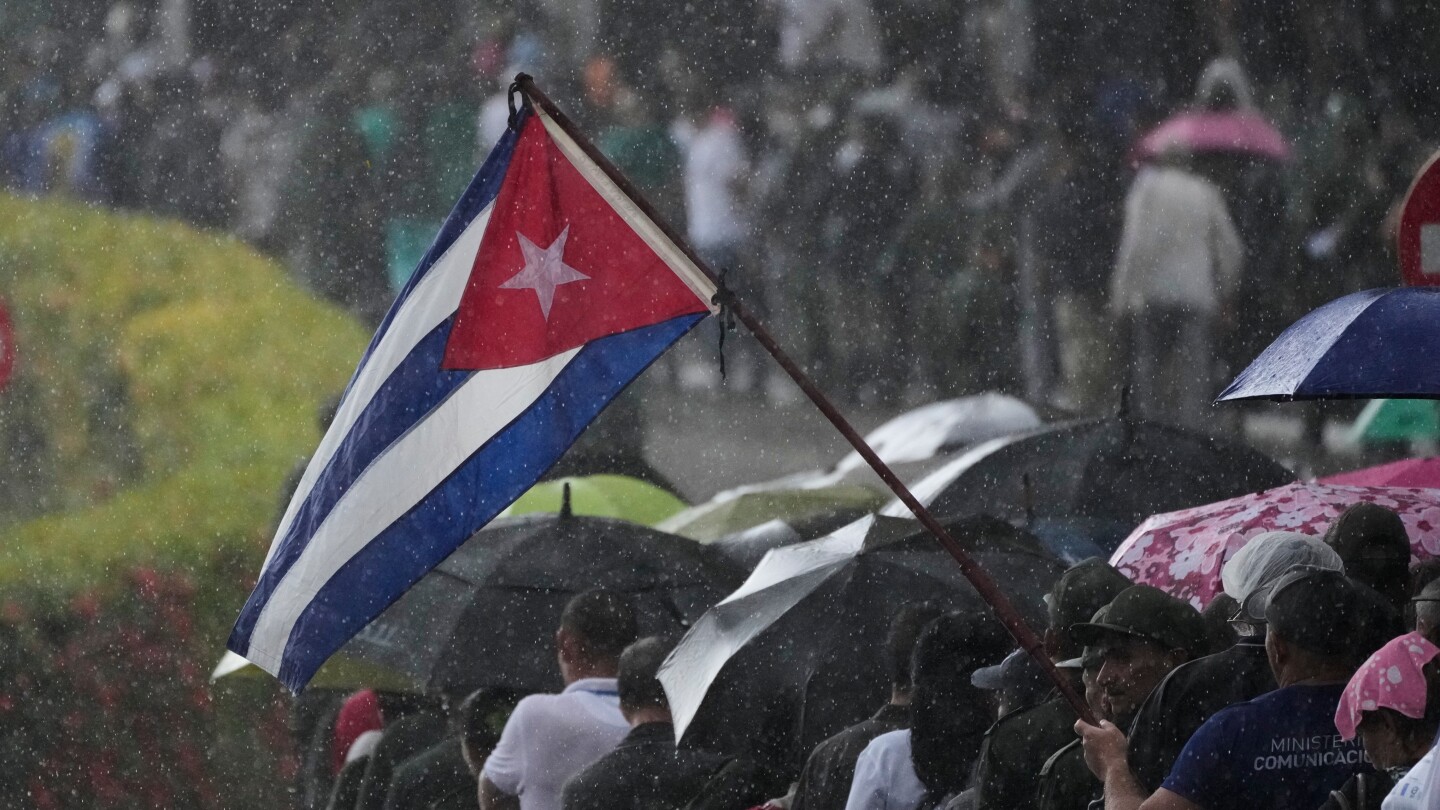
    Venezuelan President Nicolás Maduro faces escalating geopolitical isolation as his nation’s traditionally steadfast allies demonstrate diminishing commitment to his socialist government. Despite years of political, financial, and military backing from both China and Russia—a relationship established under Maduro’s predecessor Hugo Chávez—current support appears increasingly symbolic rather than substantive.

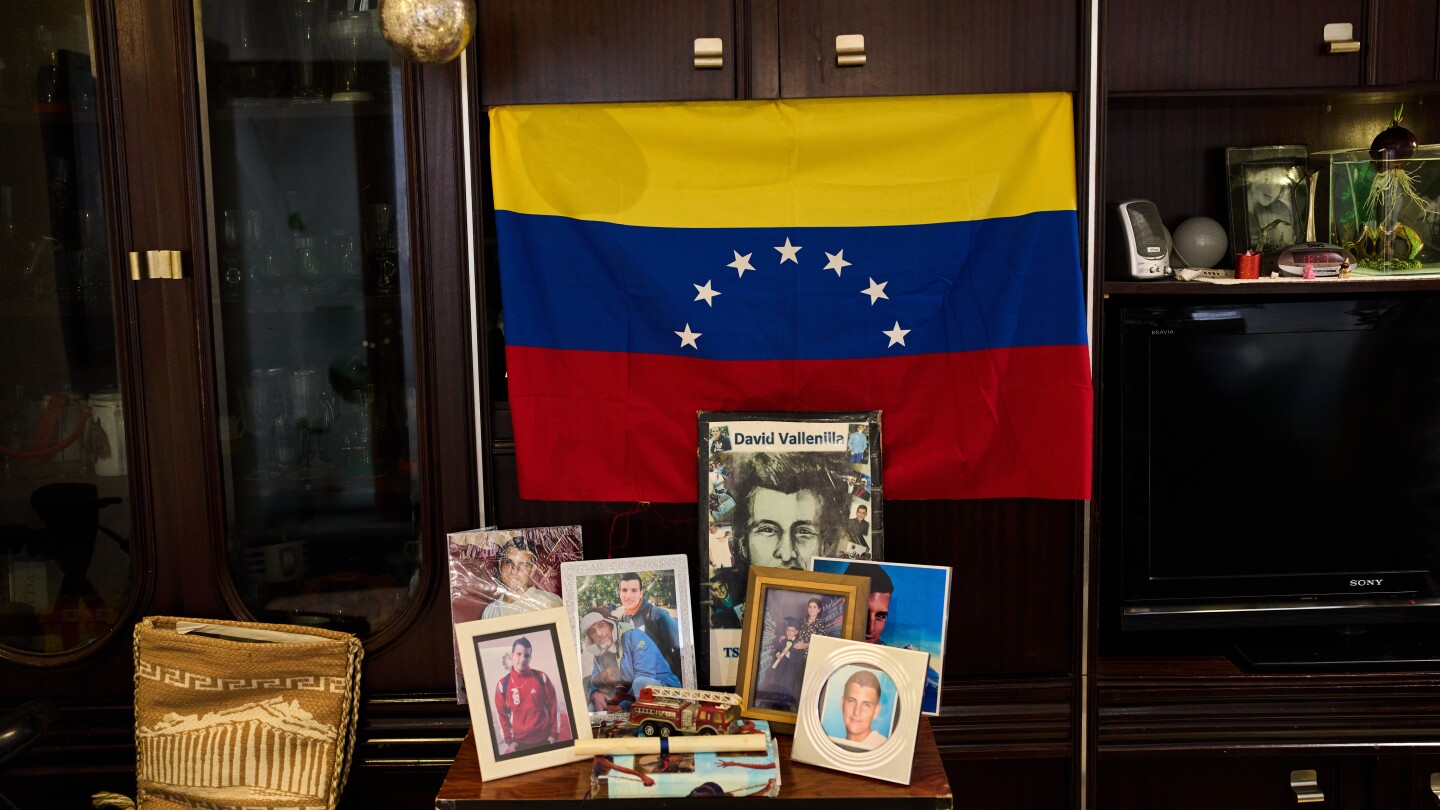
    This diplomatic shift coincides with significant US military deployment to the Caribbean region, including a nuclear-powered submarine, surveillance aircraft, and approximately 15,000 troops. Washington has conducted strikes targeting alleged drug smuggling operations, resulting in over 80 fatalities, and recently seized a Venezuelan oil tanker citing sanctions violations. While the Trump administration maintains these actions combat narcotics trafficking, many analysts interpret them as part of a broader regime change strategy.

    Experts identify multiple factors driving the recalibration of support from Caracas’s primary allies. Professor Fernando Reyes Matta, Director of the Centre for China Studies at Andrés Bello University in Chile, notes that Venezuela has diminished as a strategic priority for both Beijing and Moscow, particularly following Donald Trump’s return to the White House. Russia’s extensive resource allocation to its conflict in Ukraine since the 2022 invasion, compounded by severe Western sanctions, has constrained its capacity to support international allies.

    Professor Vladimir Rouvinski of Icesi University’s Laboratory of Politics and International Relations observes that Moscow avoids actions that might trigger additional sanctions, while China prioritizes protecting recent diplomatic advancements with Washington. Despite Maduro’s reported October request for military assistance, neither nation has provided material aid beyond rhetorical support. The Kremlin affirmed solidarity through a Putin-Maduro phone call following the tanker seizure but offered no concrete assistance.

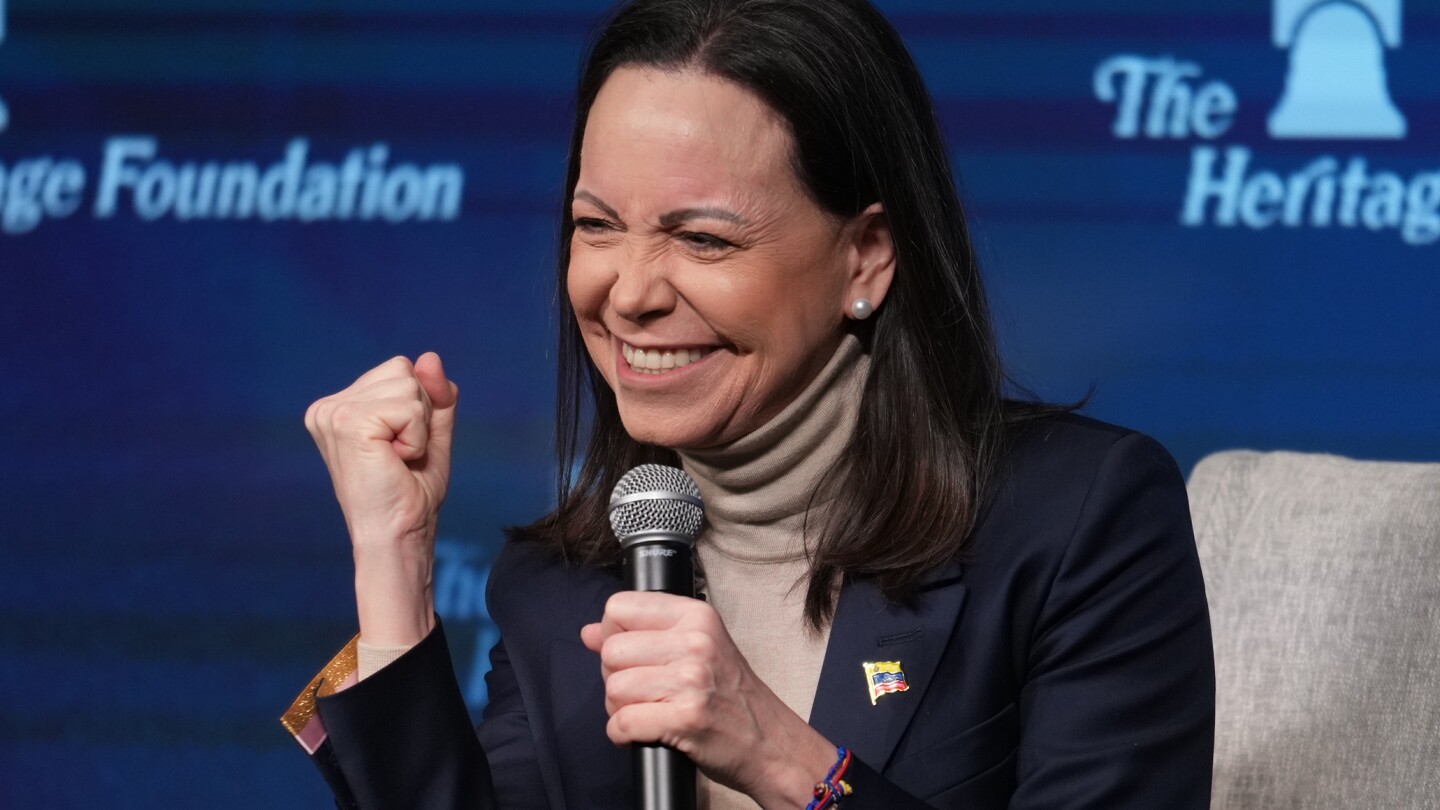
    China’s engagement has similarly waned, with Beijing reducing new lending and focusing on recovering existing loans amid Venezuela’s economic collapse and oil industry deterioration. Both nations recognize the controversial nature of Maduro’s July 2024 election victory, which opposition figures including Nobel Peace laureate María Corina Machado allege was fraudulent. With diminishing internal support and reluctant international partners, Maduro’s political future appears increasingly precarious as traditional allies prioritize their own strategic interests over ideological alignment with Caracas.

  • US removes Brazilian Supreme Court justice and his wife from sanctions list

    US removes Brazilian Supreme Court justice and his wife from sanctions list

    In a significant diplomatic shift, the United States has formally removed Brazilian Supreme Court Justice Alexandre de Moraes from its sanctions list, marking a notable de-escalation in previously strained relations between the two nations. The decision, confirmed through official documentation from the Treasury Office of Foreign Assets Control on Friday, also extends to de Moraes’ wife and the Lex Institute which she leads.

    This development follows a weekend telephone discussion between U.S. President Donald Trump and Brazilian President Luiz Inácio Lula da Silva, which Brazilian authorities have celebrated as a victory for judicial sovereignty. The Trump administration had initially imposed sanctions against de Moraes in July, alleging his involvement in authorizing arbitrary pretrial detentions and suppressing freedom of expression.

    According to a senior Trump administration official speaking under condition of anonymity, the sanctions withdrawal recognizes Brazil’s recent legislative progress—specifically referencing the passage of an amnesty bill by Brazil’s lower house as indicative of improving judicial conditions. The move represents a substantial warming in relations between the two governments, which had grown increasingly frosty during the tenure of Lula’s predecessor, Jair Bolsonaro, whom Trump previously regarded as a close ally.

    Justice de Moraes characterized the decision as “a victory of Brazil’s judiciary” during a public address in São Paulo, emphasizing that “Brazil’s judiciary did not bow to threats, coercion and it will never do so. It carried on with unbias, seriousness and courage.”

    The political context surrounding this development remains complex. Bolsonaro, currently serving a 27-year prison sentence for allegedly masterminding a plot to retain power after his 2022 electoral defeat to Lula, continues to wield political influence ahead of next year’s elections. Brazil’s current government has framed the sanctions removal as a “big defeat” for Bolsonaro’s family, with Institutional Relations Minister Gleisi Hoffmann characterizing the outcome as the result of “dignifying and sovereign dialogue” between presidents.

    The resolution also addresses broader economic concerns. Last month, Trump signed an order eliminating additional import tariffs on certain Brazilian agribusiness products, reversing previous measures that had imposed a 40% tariff atop an existing 10% duty. According to U.S. Census Bureau data, the United States maintained a $6.8 billion trade surplus with Brazil last year.

    Political analyst Thomas Traumann, author of a recent work on Brazil’s political divisions, interprets these developments as evidence that “the U.S. government wants a normal relationship with Brazil’s, even though it is a leftist administration,” noting that discussions have shifted from political matters to security and trade priorities.

    The diplomatic reconciliation process began during the United Nations General Assembly in September, followed by a private meeting in Malaysia in October and subsequent telephone conversations between the two leaders.

  • Leadership of US command in Latin America changes hands amid criticism of boat strikes

    Leadership of US command in Latin America changes hands amid criticism of boat strikes

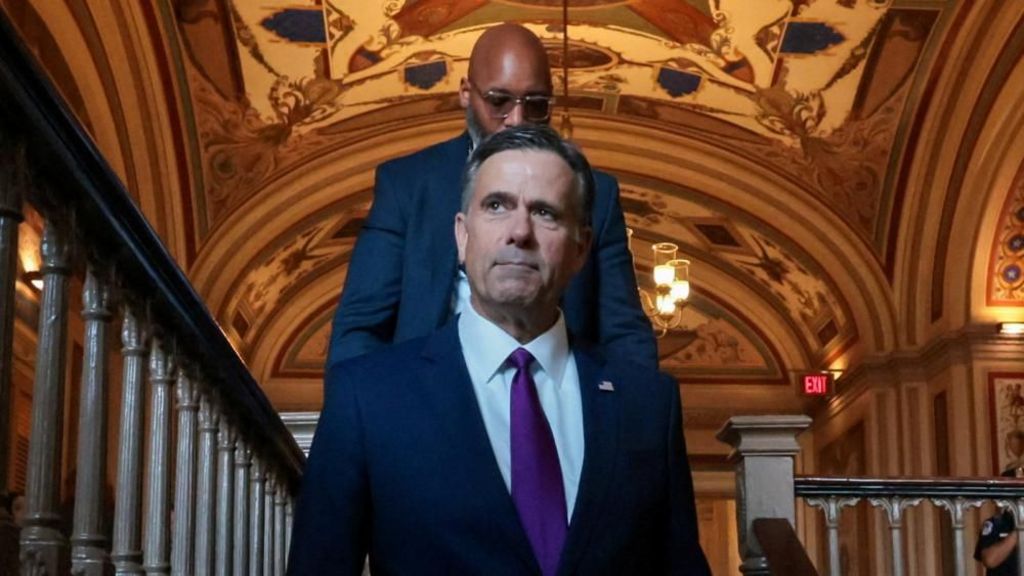
    A senior U.S. Navy admiral overseeing military operations across Latin America has unexpectedly relinquished command amid escalating congressional scrutiny of the Trump administration’s controversial maritime strikes targeting alleged drug trafficking vessels. Admiral Alvin Holsey formally transferred leadership responsibilities to his deputy, Air Force Lieutenant General Evan Pettus, during a subdued ceremony at U.S. Southern Command headquarters near Miami on Friday.

    Holsey’s retirement comes merely one year into a posting that typically spans three to four years, generating questions about the timing as Congress intensifies its examination of deadly naval operations that have resulted in at least 87 fatalities. The Pentagon announced Holsey’s departure in October, shortly after the administration initiated its aggressive campaign against suspected drug smugglers in Caribbean and eastern Pacific waters.

    In his farewell address, Holsey conspicuously avoided referencing the military operations or his premature retirement rationale. Instead, he emphasized the importance of maintaining regional partnerships through steadfast adherence to democratic principles and rule of law. “To be a trusted partner, we must be credible, present and engaged,” Holsey stated during the ceremony.

    The change-of-command event occurred without Defense Secretary Pete Hegseth’s presence, as President Trump has yet to nominate a permanent replacement. General Dan Caine, Chairman of the Joint Chiefs of Staff, praised Holsey’s 37-year service record, characterizing him as a “stoic leader” and “quiet professional” who consistently prioritized collective success over individual recognition.

    Holsey’s departure coincides with heightened congressional inquiries into the legality of maritime strikes, including one incident where survivors clinging to wreckage from an initial attack were subsequently killed. Secretary of State Marco Rubio and Defense Secretary Hegseth have delivered classified briefings to lawmakers this week, while Holsey himself participated in a classified video conference with key congressional oversight figures.

    Senator Jack Reed, the top Democrat on the Senate Armed Services Committee, noted that while Holsey responded to senators’ questions, “there remain many unanswered questions” regarding both the operations and his retirement decision, which the admiral characterized solely as “personal.”

    The administration’s tactical approach has drawn criticism from warfare legal experts, human rights organizations, and even some congressional allies. The operations represent a significant departure from decades-long precedent where suspects were typically arrested at sea and brought to the United States for criminal prosecution.

    Current operations involve 22 confirmed strikes against alleged drug-smuggling vessels, supported by an extensive flotilla of warships, attack helicopters, thousands of personnel, and even the nation’s most advanced aircraft carrier. The administration justifies its tactics by designating several Latin American drug cartels as foreign terrorist organizations, employing legal arguments developed post-9/11 to declare the U.S. in “armed conflict” with these criminal networks.

    This campaign has simultaneously increased pressure on Venezuelan President Nicolás Maduro, who faces narcoterrorism charges in the U.S. and alleges the military operations aim to force his ouster. The escalation intensified recently with U.S. forces seizing a sanctioned oil tanker accused of smuggling illicit crude—a critical revenue source for Maduro’s government.

    Holsey’s unexpected retirement continues a pattern of sudden departures among military leadership since Hegseth assumed control of the Pentagon. The Georgia native, whose family has deep military roots including Vietnam service, transferred command to Pettus—an experienced combat pilot—while the administration’s nominee awaits Senate confirmation.

  • Disguises, freezing waves, and a special forces veteran: Inside rescue to sneak Nobel winner out of Venezuela

    Disguises, freezing waves, and a special forces veteran: Inside rescue to sneak Nobel winner out of Venezuela

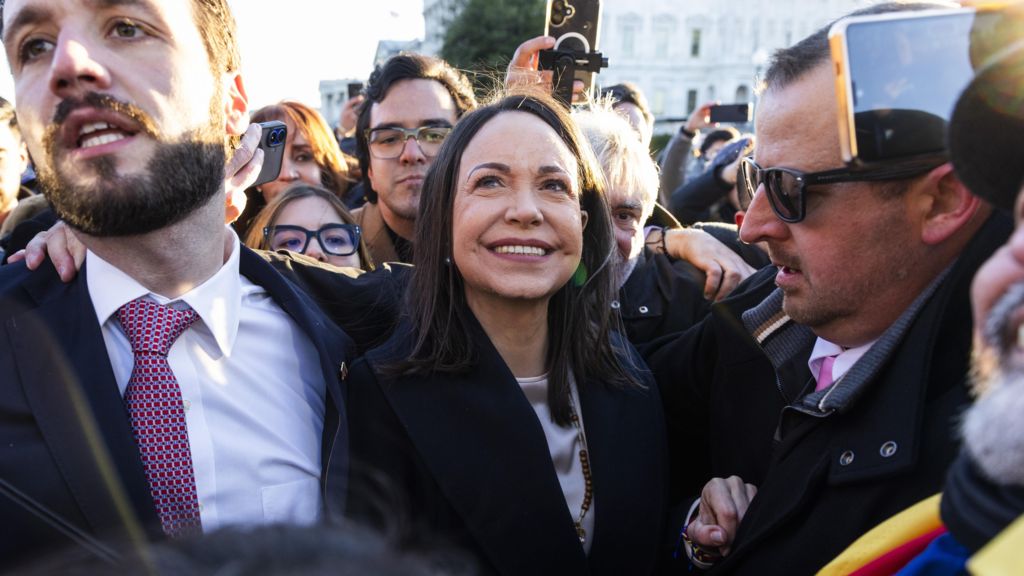
    In a daring clandestine operation codenamed ‘Golden Dynamite,’ Venezuelan opposition leader and Nobel Peace Prize laureate María Corina Machado was successfully extracted from her homeland under perilous conditions. The meticulously planned rescue, orchestrated by U.S. special forces veteran Bryan Stern through his Grey Bull Rescue Foundation, involved a treacherous maritime escape through rough seas under cover of darkness.

    The operation commenced with Machado’s discreet transfer from her safe house to a coastal extraction point. Utilizing a two-boat system for evasion, the team navigated 10-foot waves in pitch-black conditions, employing flashlights for covert communication. Stern emphasized the extreme danger of the mission, noting that mechanical failure would have meant ‘swimming back to Venezuela.’

    Throughout the journey, sophisticated measures were implemented to conceal Machado’s identity, including physical disguises and digital security protocols to counter biometric surveillance threats. Despite enduring freezing temperatures and complete saturation, the opposition leader maintained remarkable composure, described by Stern as ‘formidable’ without a single complaint.

    The successful extraction enabled Machado’s timely arrival in Oslo to accept her Nobel Peace Prize, where she was reunited with her children after two years of separation. The operation was privately funded through donors rather than governmental support, though Stern acknowledged informal coordination with multiple nations’ intelligence services.

    This rescue occurs against escalating geopolitical tensions, with the U.S. increasing pressure on President Maduro’s administration. Stern expressed grave concerns about Machado’s potential return to Venezuela, advising against it despite recognizing her determination to continue her political struggle.

  • Inside the Colombian cathedral built 180m underground

    Inside the Colombian cathedral built 180m underground

    Deep within the Colombian earth, an extraordinary architectural marvel defies conventional religious spaces. Located 180 meters (590 feet) beneath the surface, the Salt Cathedral of Zipaquirá represents one of South America’s most remarkable spiritual sanctuaries, born from the devotion of miners seeking divine protection.

    The cathedral’s origins trace back to the 1930s when miners laboring in Colombia’s extensive salt mines began creating makeshift altars within the mountain’s depths. Before commencing their perilous shifts, these workers would gather around these rudimentary shrines to offer prayers for safety and protection during their hazardous work underground.

    Over decades, this underground spiritual practice evolved from simple altars into an elaborate network of tunnels and chambers that now form a fully functional cathedral. The current structure features impressive crosses carved directly into the salt rock walls, illuminated pathways that create ethereal lighting effects, and cavernous spaces capable of accommodating thousands of worshippers simultaneously.

    This subterranean masterpiece serves dual purposes as both an active place of worship and a major tourist attraction, drawing approximately 600,000 visitors annually. The cathedral’s unique microclimate, maintained by the surrounding salt deposits, creates exceptional preservation conditions for the religious artworks and architectural elements within.

    Engineering studies confirm the structural integrity of this underground complex, with the salt rock providing natural reinforcement against seismic activity. The cathedral’s depth creates a naturally soundproof environment, enhancing the spiritual atmosphere for religious ceremonies and contemplation.

    The Salt Cathedral stands as testament to human ingenuity transforming industrial spaces into places of profound spiritual significance, demonstrating how faith can flourish even in the most unexpected environments.

  • Chileans are divided in a presidential runoff tilted toward the far right

    Chileans are divided in a presidential runoff tilted toward the far right

    SANTIAGO, Chile — Chile stands at a political crossroads as voters prepare to elect their next president in a runoff election that pits two ideological extremes against each other. The Sunday vote features José Antonio Kast, a 59-year-old former lawmaker representing the most right-wing platform since Chile’s military dictatorship, against Jeannette Jara, a 51-year-old communist candidate who would become the most left-wing president since the country’s return to democracy in 1990.

    The election reveals a nation deeply divided in its perception of reality. Many Chileans describe their country as descending into disaster, citing surging crime rates attributed to Venezuelan gangs crossing porous borders, unprecedented kidnappings, contract killings, and economic stagnation in what was once considered one of Latin America’s safest nations. These voters see Kast as the solution to restore stability and security.

    Conversely, other Chileans point to significant social progress including a shorter workweek, higher minimum wage, improved pension systems, and a declining homicide rate according to official figures. They view Jara as the necessary bulwark against far-right populism sweeping across the globe.

    Kast’s campaign has gained momentum by focusing on security concerns and immigration, promising mass deportations of an estimated 337,000 migrants without legal status—mostly Venezuelans. He has drawn inspiration from Trump’s immigration policies, Bukele’s crime-fighting tactics in El Salvador, and Milei’s libertarian economic approach in Argentina, proposing to slash $6 billion in public spending within 18 months.

    Jara, despite her record as labor minister implementing significant welfare measures and her humble origins, faces substantial challenges. Her communist affiliation frightens moderate voters despite her proposals promoting foreign investment and fiscal restraint. She represents a government with only 30% approval rating in a country that has voted out incumbent leaders in every election since 2005.

    Political analysts consider Kast the likely victor after right-leaning parties secured 70% of votes in the first round. The outcome will determine whether Chile joins the regional trend of right-wing ascendance or maintains its left-leaning trajectory that began with current President Gabriel Boric’s victory four years ago.

  • Maduro says Trump wants Venezuela’s oil. But is that the real US goal?

    Maduro says Trump wants Venezuela’s oil. But is that the real US goal?

    Tensions between the United States and Venezuela have reached a critical juncture as military and economic pressures intensify. Venezuelan President Nicolás Maduro asserts that Washington’s aggressive posture stems primarily from desire to control his nation’s massive petroleum reserves—the world’s largest at approximately 303 billion barrels.

    The confrontation escalated this week with the US military seizing an oil tanker allegedly transporting Venezuelan crude in violation of sanctions. This action follows a series of strikes against vessels accused of drug trafficking. President Donald Trump has publicly demanded Maduro’s resignation, alleging his administration facilitates narcotics and criminal elements reaching American shores.

    Despite Venezuela’s enormous reserves, current production tells a different story. Output has plummeted to approximately 860,000 barrels daily—just one-third of levels from a decade ago and representing under 1% of global consumption. This dramatic decline followed tightened governmental control over state oil company PDVSA, prompting an exodus of skilled personnel.

    US sanctions, initially imposed in 2015 during the Obama administration citing human rights concerns, have severely constrained Venezuela’s energy sector. These measures have limited foreign investment, restricted access to essential equipment, and crippled infrastructure. While some Western companies maintain limited operations, American firm Chevron stands as the primary US producer still active, accounting for roughly one-fifth of Venezuela’s current output after receiving special authorization.

    The geopolitical calculus involves multiple factors. Some US politicians, including Florida Republican Congresswoman María Elvira Salazar, advocate for intervention, suggesting American companies could rapidly revitalize Venezuela’s oil industry. However, White House officials emphasize combating drug trafficking and challenging Maduro’s legitimacy as primary objectives.

    Energy analysts remain skeptical about immediate benefits. Even if sanctions eased, restoring Venezuela’s production would require tens of billions of dollars and potentially a decade of investment. Additionally, declining long-term global oil demand and Venezuela’s OPEC membership present further complications for potential investors.

    The situation presents a paradox: while Venezuela’s heavy crude is desirable for US Gulf Coast refineries, and increased production could eventually lower prices, the practical challenges of revitalizing the industry remain formidable. As Capital Economics’ David Oxley notes, private companies will only commit resources if profitable—a uncertain proposition given the substantial investments and extended timeframe required.

  • US seizure of rogue oil tanker off Venezuela signals new crackdown on shadow fleet

    US seizure of rogue oil tanker off Venezuela signals new crackdown on shadow fleet

    In a dramatic maritime operation, U.S. special forces descended via helicopter ropes to seize the 332-meter oil tanker Skipper near the Venezuelan coast. The vessel had been digitally manipulating its location transponder to conceal its true position, falsely appearing to navigate near Guyana while actually operating 360 nautical miles northwest in Venezuelan waters. This seizure represents a significant escalation in U.S. efforts to disrupt illicit oil smuggling networks that sustain sanctioned regimes.

    The Skipper carried approximately 2 million barrels of Venezuelan heavy crude valued at tens of millions of dollars, with about half belonging to a Cuban state-run importer according to documents from Venezuela’s state-owned PDVSA. The tanker had been sanctioned since November 2022 for its alleged role in smuggling crude for Iran’s Revolutionary Guard and Lebanon’s Hezbollah militant group.

    Maritime intelligence analysts identify the Skipper as part of a ‘dark fleet’ of approximately 30 sanctioned tankers operating near Venezuela. These vessels typically disable or spoof their automated identification systems, operate under false flags, and transfer cargoes at sea to obscure origins. Many are barely seaworthy, uninsured, and registered to shell companies.

    The operation signals a potential turning point in maritime enforcement against sanctions evasion. ‘These are very risk-tolerant operators, but even they don’t want to lose a hull,’ noted Claire Jungman of Vortexa analytics firm. ‘A physical seizure represents an entirely different category of risk.’

    Venezuelan President Nicolás Maduro condemned the seizure as ‘international piracy,’ claiming the crew had been kidnapped. Meanwhile, U.S.-backed opposition leader Maria Corina Machado applauded the action, asserting that oil revenues fund repression rather than addressing Venezuela’s humanitarian crisis.

    Experts suggest this intervention may foreshadow broader U.S. efforts to implement an oil blockade against Venezuela, though concerns remain about potential impacts on global oil prices and the strategic balancing of enforcement actions.

  • Putin offers ‘solidarity’ for Venezuelan people as tensions mount between Maduro and US

    Putin offers ‘solidarity’ for Venezuelan people as tensions mount between Maduro and US

    Russian President Vladimir Putin has publicly declared his unwavering support for Venezuelan leader Nicolás Maduro during a pivotal telephone conversation on Thursday, as geopolitical tensions between Caracas and Washington reach new heights. The Kremlin released an official statement confirming that Putin expressed “solidarity with the Venezuelan people” and endorsed Maduro’s policies aimed at “protecting national interests and sovereignty against mounting external pressure.”

    This high-level diplomatic exchange occurred just one day after American military forces intercepted an oil tanker near Venezuela’s coastline—the latest aggressive maneuver in the Trump administration’s escalating campaign against Maduro, who faces narcoterrorism charges in the United States. The vessel seizure was characterized by US Homeland Security Secretary Kristi Noem during congressional testimony as part of broader counter-narcotics operations in the region, which have included deadly strikes against alleged drug-smuggling vessels.

    Venezuela’s government has condemned the tanker interception as “blatant theft and an act of international piracy,” while Maduro maintains that Washington’s true objective is regime change rather than drug interdiction. The South American nation’s administration reported that Putin had “categorically reaffirmed his support” for Maduro during their conversation, with both leaders committing to maintain open communication channels between Moscow and Caracas.

    The burgeoning Russia-Venezuela alliance represents a continuation of partnerships established under Maduro’s predecessor, Hugo Chávez, with Moscow providing diverse support ranging from coronavirus vaccines to cryptocurrency design assistance. This relationship has previously manifested through strategic military demonstrations, including the 2018 deployment of nuclear-capable Tu-160 bombers to Venezuela and last year’s naval exercises in the Atlantic Ocean that Russian officials described as flag-showing operations in “remote, important regions.”

    Simultaneously, Belarusian President Alexander Lukashenko—a key Putin ally—met with Venezuela’s ambassador to Russia for the second time in over two weeks, discussing unspecified bilateral matters and potentially arranging future diplomatic visits between the two nations.

  • US sanctions Venezuelan President Maduro’s 3 nephews as pressure campaign ratchets up

    US sanctions Venezuelan President Maduro’s 3 nephews as pressure campaign ratchets up

    The United States government has intensified its economic campaign against the Venezuelan regime by imposing targeted sanctions on three nephews of President Nicolás Maduro, alongside other key figures and entities. The Treasury Department’s Office of Foreign Assets Control designated Franqui Flores, Carlos Flores, and Efrain Campo on Thursday, effectively freezing any U.S. assets and prohibiting American citizens and companies from conducting business with them.

    This strategic move follows Wednesday’s seizure of a Venezuelan oil tanker and represents a coordinated effort to disrupt Caracas’ petroleum export capabilities. The sanctions package additionally encompasses Panamanian businessman Ramon Carretero, six commercial firms, and six Venezuela-flagged vessels allegedly involved in transporting Venezuelan crude oil. Treasury officials allege Carretero has facilitated oil shipments for the Venezuelan government while maintaining business partnerships with the Maduro-Flores family network.

    Treasury Secretary Scott Bessent articulated the administration’s position, stating that “Nicolas Maduro and his criminal associates in Venezuela are flooding the United States with drugs that are poisoning the American people.” He further emphasized that “Under President Trump’s leadership, Treasury is holding the regime and its circle of cronies and companies accountable for its continued crimes.”

    The latest sanctions occur within a broader context of escalating tensions. Recent months have witnessed deadly U.S. strikes against alleged drug-smuggling vessels in Caribbean and eastern Pacific waters, resulting in numerous casualties. The Trump administration has characterized these actions as necessary measures in what it describes as an “armed conflict” against international drug cartels.

    Historical context reveals this isn’t the first confrontation involving Maduro’s relatives. In October 2022, Venezuela secured the release of Flores and Campo—previously convicted on narcotics charges—through a prisoner exchange that freed seven imprisoned Americans. Carlos Flores had previously been sanctioned in 2017 before being temporarily delisted during the Biden administration to facilitate diplomatic negotiations regarding Venezuelan democratic elections.