标签: South America

南美洲

  • Opposition leader Machado says she should be in charge of Venezuela

    Opposition leader Machado says she should be in charge of Venezuela

    Venezuelan opposition figure María Corina Machado has asserted her legitimate right to govern the nation following the U.S.-orchestrated removal of President Nicolás Maduro. In an exclusive interview with CBS News, the Nobel Peace Prize laureate declared her readiness to lead, stating her movement possesses a popular mandate from the disputed 2024 elections.

    Machado expressed profound gratitude toward U.S. President Donald Trump for demonstrating ‘leadership and courage’ in authorizing military operations that resulted in Maduro’s capture. She characterized the intervention as a pivotal advancement toward reestablishing democratic governance, prosperity, and legal order in Venezuela.

    Despite her appreciation for Trump’s actions, the opposition leader faces skepticism from the White House. President Trump publicly questioned Machado’s viability as a successor, noting her apparent lack of domestic support and respect, despite acknowledging her personal qualities.

    Machado simultaneously dismissed the legitimacy of interim President Delcy Rodríguez, Maduro’s former vice-president. She accused Rodríguez of being a principal architect of state repression against Venezuelan civilians, asserting that both domestic and international observers recognize her controversial legacy.

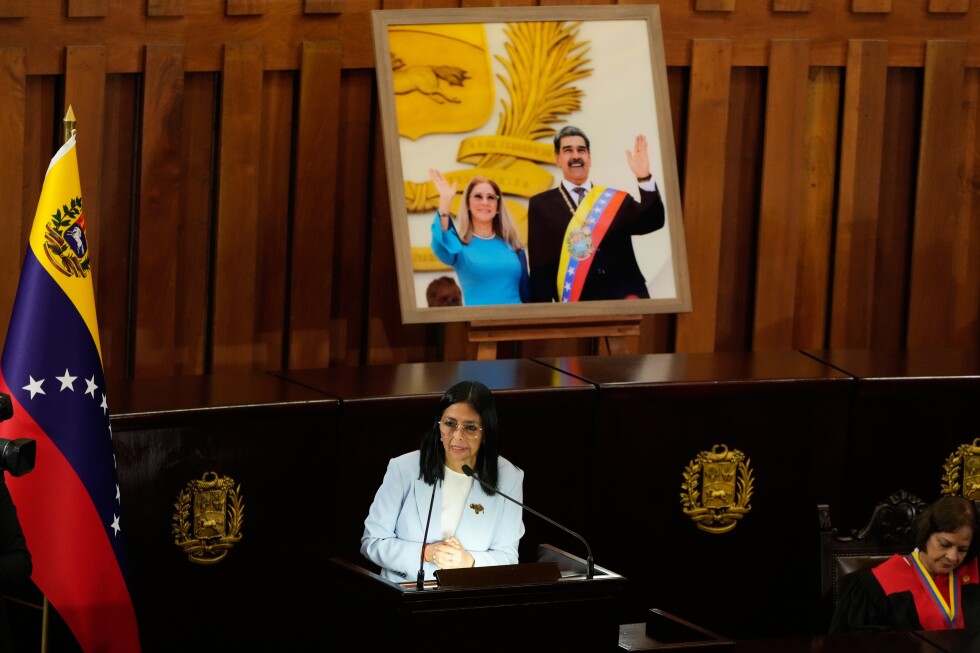
    Rodríguez, who assumed office following Maduro’s detention, has confronted these allegations while denying U.S. hegemony over Venezuelan sovereignty. In a nationally televised address, she emphasized that ‘no external agent governs Venezuela,’ directly countering claims of American control.

    The political landscape remains fraught with tension as competing factions vie for authority, international forces weigh in, and the population awaits resolution to the prolonged power struggle.

  • Rapper Tekashi 6ix9ine reports to NYC lockup where Nicolás Maduro and Luigi Mangione await trial

    Rapper Tekashi 6ix9ine reports to NYC lockup where Nicolás Maduro and Luigi Mangione await trial

    In a dramatic spectacle streamed live to his followers, controversial rapper Tekashi 6ix9ine (legal name Daniel Hernandez) surrendered himself Tuesday at Brooklyn’s Metropolitan Detention Center (MDC), beginning another prison term. The 29-year-old artist arrived in a luxury vehicle accompanied by internet personality Adin Ross and a camera crew, turning himself in for a three-month sentence related to supervised release violations.

    The Brooklyn facility represents a convergence of high-profile detainees, currently housing Venezuelan President Nicolás Maduro and his wife Cilia Flores alongside Luigi Mangione, the accused murderer of United Healthcare CEO Brian Thompson. This institution has developed notorious status within the federal prison system, with multiple judges describing conditions as “hell on earth” due to persistent violence and substandard facilities.

    MDC Brooklyn has historically contained numerous infamous inmates, including R&B singer R. Kelly, music mogul Sean “Diddy” Combs, and Ghislaine Maxwell, longtime associate of financier Jeffrey Epstein. The facility remains New York City’s sole federal jail despite its troubled reputation.

    Hernandez’s legal troubles stem from a 2019 racketeering case involving the Nine Trey Gangsta Bloods gang, for which he received a two-year prison sentence followed by five years supervised release. His current incarceration results from discovered narcotics and an assault incident—violating his post-release conditions. Prosecutors documented small quantities of cocaine and ecstasy discovered during a Miami home raid, along with Hernandez physically attacking a Florida mall patron who taunted him about cooperating with authorities.

    Despite his legal representatives not immediately commenting on Tuesday’s surrender, previous statements indicated the rapper anticipates completing his sentence to resume musical activities. Hernandez initially gained fame through his 2017 single “Gummo” but subsequently became entangled in serious criminal proceedings despite his cooperation with federal investigations.

  • How Delcy Rodríguez courted Donald Trump and rose to power in Venezuela

    How Delcy Rodríguez courted Donald Trump and rose to power in Venezuela

    MIAMI — In 2017, as Donald Trump prepared to assume the U.S. presidency, Venezuelan Foreign Minister Delcy Rodríguez identified a strategic opportunity. With Nicolas Maduro’s socialist regime facing severe economic collapse and widespread hunger, Rodríguez orchestrated a $500,000 donation from Citgo—Venezuela’s state-owned oil subsidiary—to Trump’s inauguration committee. Simultaneously, she engaged Trump’s former campaign manager as a Citgo lobbyist, cultivated relationships with Republican legislators, and pursued high-level meetings with Exxon leadership in a bold attempt to attract American investment.

    The diplomatic offensive ultimately failed when Trump, influenced by Senator Marco Rubio, adopted Venezuelan democracy restoration as a primary foreign policy objective following Maduro’s suppression of political opponents. However, Rodríguez’s efforts established her as a significant figure within U.S. political and business circles, facilitating her remarkable ascent to Venezuela’s interim presidency.

    According to interviews with ten former U.S. and Venezuelan officials and business leaders familiar with Rodríguez, she is characterized as intellectually sharp, occasionally charming, but fundamentally ruthless toward dissent. Most sources requested anonymity due to concerns about retaliation.

    Rodríguez’s political trajectory was shaped by childhood tragedy. In 1976, her father—a socialist leader—died in police custody after being detained for questioning regarding a kidnapped American businessman. This event radicalized both Rodríguez and Maduro, creating anti-American sentiment that would persist throughout their careers.

    Her initial political advancement under Hugo Chávez was uneven. During a 2006 international tour, Chávez reportedly expelled her from the presidential aircraft in Moscow due to scheduling failures, subsequently dismissing her with accusations of arrogance and incompetence.

    Maduro revived Rodríguez’s career following Chávez’s 2013 death. Her Western education—legal studies in Britain and France—and English fluency distinguished her within Chavismo’s factional landscape. She cultivated relationships with Venezuela’s ‘boligarch’ elite, including media magnate Raul Gorrín, who collaborated on back-channel diplomacy with Trump administration officials until facing U.S. money laundering charges.

    As vice president from 2018, Rodríguez assumed control over significant portions of Venezuela’s oil economy, recruiting international financial experts and pursuing debt restructuring despite crippling U.S. sanctions. Her consolidation of power included jailing former Oil Minister Tareck El Aissami in a 2024 anti-corruption campaign.

    Following Maduro’s dramatic capture, Trump has alternated between praising Rodríguez as a ‘gracious’ partner and threatening her with similar consequences unless she maintains ruling party control and grants the U.S. ‘total access’ to Venezuela’s oil reserves. Notably absent from discussions are constitutional requirements for elections within 30 days of a presidential vacancy.

    Some analysts compare Rodríguez to China’s Deng Xiaoping for her pragmatic leadership style. Hans Humes of Greylock Capital Management suggests her operational experience makes her preferable to opposition exiles who might provoke Iraq-style instability. However, former U.S. Special Envoy Elliott Abrams contends that sustainable democratic transition remains impossible while Chavismo retains power.

  • What’s next in deposed Venezuela leader Nicolás Maduro’s criminal case

    What’s next in deposed Venezuela leader Nicolás Maduro’s criminal case

    NEW YORK — The initial U.S. court appearance of Nicolás Maduro marked the commencement of a protracted legal battle that could potentially result in lifelong incarceration for the Venezuelan leader. Maduro and his wife, Cilia Flores, faced arraignment Monday on multiple federal charges including narcoterrorism conspiracy and cocaine importation schemes, following their dramatic capture by U.S. forces in Caracas during a nighttime operation.

    During the hearing before Judge Alvin Hellerstein, Maduro defiantly asserted his continued presidency of Venezuela and characterized his apprehension as an unlawful kidnapping, declaring himself a prisoner of war. Both defendants entered not guilty pleas to all charges, which carry potential life sentences.

    The Trump administration defended the extraordinary extraterritorial operation as a justified law enforcement action against a leader prosecutors first indicted six years ago. The case presents unprecedented legal questions regarding sovereignty and immunity that may require extensive appellate review.

    Legal experts anticipate several critical developments in the coming months:

    Bail considerations remain theoretically possible but practically unlikely given the severity of charges and flight risk assessments. Historical precedents including Manuel Noriega’s case suggest pretrial detention will be maintained.

    Medical attention has been requested for Flores, who allegedly sustained significant injuries during capture requiring radiographic evaluation for potential fractures. Maduro’s counsel also indicated unspecified health concerns requiring monitoring while detained at the Metropolitan Detention Center.

    Consular access complications have emerged due to Maduro’s own 2019 order closing Venezuelan diplomatic facilities in the U.S. This creates practical challenges for legal fee payments given longstanding U.S. sanctions against both defendants.

    Substantial legal challenges are anticipated regarding sovereign immunity claims and the legality of Maduro’s capture. The defense has expanded to include Bruce Fein, a former Reagan administration Justice Department official specializing in constitutional and international law.

    The next hearing is scheduled for March 17 as both sides prepare for what may become a landmark case in international law and cross-border law enforcement operations.

  • BBC looks into the relationship between Cuba and Venezuela

    BBC looks into the relationship between Cuba and Venezuela

    The BBC has initiated a comprehensive examination of the intricate bilateral relationship between Venezuela and Cuba, with on-the-ground correspondent Will Grant providing expert analysis on this geopolitically significant alliance. This partnership, often described as a cornerstone of Latin American leftist solidarity, represents one of the most strategically important relationships in the Western Hemisphere.

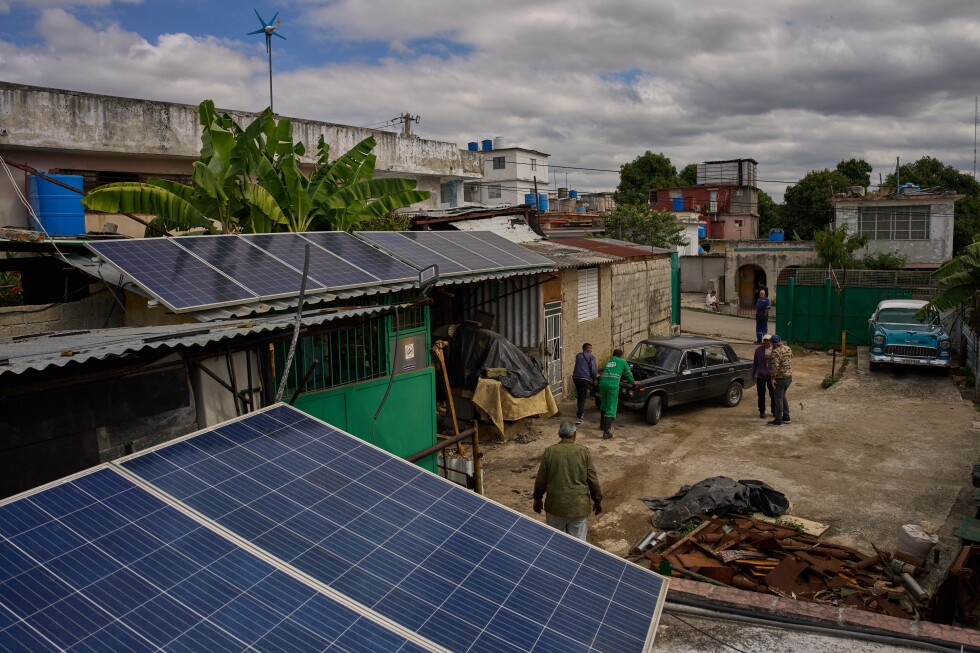
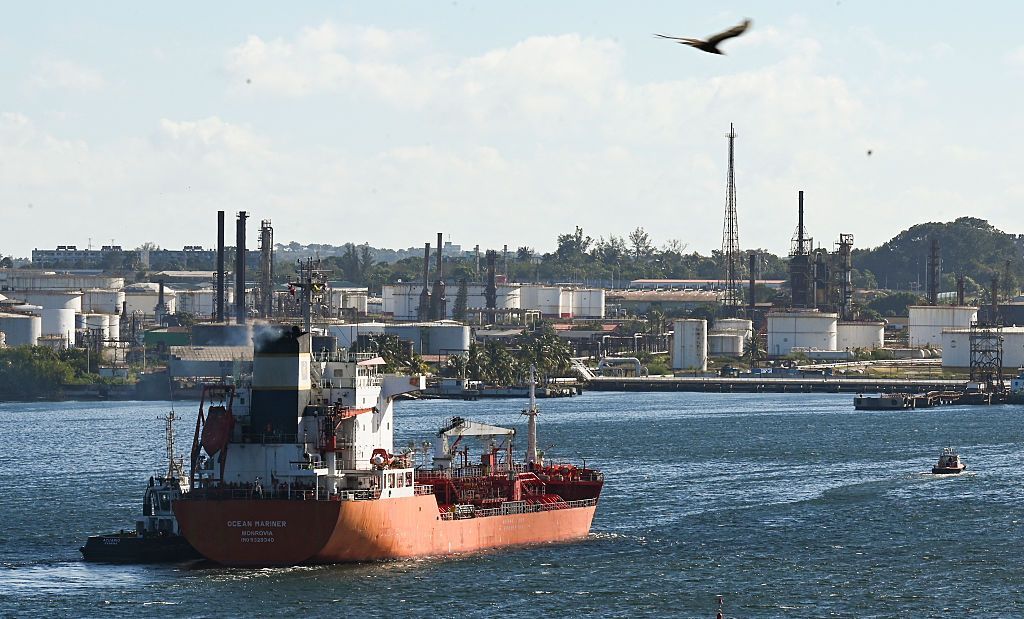
    The Venezuela-Cuba dynamic operates through a well-established framework of reciprocal exchange that has evolved over decades. Venezuela provides Cuba with substantially discounted petroleum resources, which serve as a critical economic lifeline for the Caribbean nation amidst ongoing trade restrictions. In return, Cuba dispatches thousands of medical professionals, educational specialists, and security advisors to Venezuela, creating an interdependence that has weathered numerous political and economic challenges.

    This symbiotic relationship traces its origins to the personal rapport between the late Venezuelan President Hugo Chávez and Cuban revolutionary leader Fidel Castro, whose shared ideological vision forged an alliance that has persisted through leadership transitions in both nations. The partnership has consistently defied conventional diplomatic norms, maintaining resilience despite fluctuating global oil prices, international sanctions, and changing political landscapes across Latin America.

    The BBC’s investigation comes at a pivotal moment as both nations navigate complex economic circumstances and evolving international relations. The analysis provides crucial insights into how this bilateral relationship continues to influence regional politics, economic cooperation models, and geopolitical alignments throughout Latin America and beyond.

  • Trump says his voters loved the Venezuela attack — here’s what they really think

    Trump says his voters loved the Venezuela attack — here’s what they really think

    The dramatic capture of Venezuelan leader Nicolás Maduro by U.S. forces has ignited complex reactions within President Trump’s political base, revealing fissures in the “America First” coalition. While initial applause greeted the surgical operation that extracted Maduro from a military compound to a Brooklyn cell, underlying tensions emerged regarding long-term foreign entanglements.

    The raid represents a geopolitical pivot for an administration that campaigned against nation-building abroad. Trump supporters from Michigan to Mississippi expressed admiration for the operation’s precision but voiced concerns about potential escalation. Aaron Tobin, a Detroit-area supporter, envisioned cinematic potential in the raid while acknowledging the narrative remains in its opening chapter.

    Contrasting perspectives emerged across battleground states. In Colorado, Travis Garcia celebrated the capture of a “dictator constantly sending drugs our way,” seeing it as validation of Trump’s strong leadership. Yet nearby, retired engineer Patrick McCans noted the intervention contradicted campaign promises, preferring diplomatic solutions despite acknowledging possible justification.

    Pennsylvania supporters demonstrated cautious optimism. Retired firefighter Kevin Carey recalled the 1979 Iran hostage crisis as a cautionary tale, while 88-year-old Ron Soto expressed unwavering faith in Trump’s ability to “straighten that country out.” The operation’s clinical execution drew widespread praise, though many emphasized their support depended on avoiding prolonged conflict.

    The episode forced supporters to reconcile Trump’s non-interventionist rhetoric with expanding hemispheric ambitions. Mississippi electrician apprentice Chase Lewis typified this conflict, praising Venezuelan liberation while worrying about military deployment costs and potential mission creep. Even enthusiastic supporters like Michigan’s Tobin conditioned further support on maintaining casualty-free operations.

    As the administration faces challenges from Epstein file controversies to rising living costs, the Venezuela operation represents both a unifying victory and a potential stress test for Trump’s coalition. The coming weeks will determine whether this bold action strengthens political bonds or exposes fundamental contradictions in the America First doctrine.

  • ‘It seems unjust to me’ – Views on Maduro’s seizure from Caracas

    ‘It seems unjust to me’ – Views on Maduro’s seizure from Caracas

    Residents of Caracas have voiced divergent perspectives regarding recent US military activities and President Nicolás Maduro’s subsequent actions, revealing deep divisions within Venezuelan society. The BBC Mundo conducted street interviews capturing firsthand accounts from citizens navigating the complex geopolitical landscape affecting their nation.

    Many interviewees expressed profound concerns about sovereignty issues, with some characterizing external military operations as violations of international law while others viewed them as necessary interventions. The interviews revealed how Venezuela’s prolonged economic crisis and political instability have shaped contrasting viewpoints on foreign involvement.

    President Maduro’s seizure of certain authorities in response to the military operation generated particularly strong reactions. Several citizens described the move as an expected consolidation of power, while others perceived it as an infringement upon democratic principles. The testimonies highlighted how daily struggles for basic necessities influence political perspectives more than ideological considerations.

    The reports indicate that Venezuela’s situation remains fluid, with the population demonstrating both wariness of foreign intervention and frustration with domestic leadership. These street-level perspectives provide crucial context for understanding the human dimension of international diplomatic tensions, beyond official statements from either government.

  • Trump pushes back against Democrats’ criticism of Maduro raid

    Trump pushes back against Democrats’ criticism of Maduro raid

    WASHINGTON — President Donald Trump confronted Democratic criticism of the military operation that resulted in the capture of Venezuelan leader Nicolás Maduro, highlighting that his predecessor Joe Biden had similarly pursued Maduro’s arrest on narcotics charges. Speaking at a House Republican retreat, Trump expressed frustration over what he perceived as insufficient acknowledgment from political opponents regarding the successful mission.

    The operation, which culminated in Maduro’s apprehension over the weekend, has ignited complex debates about U.S. foreign policy direction. While bipartisan consensus exists that Maduro illegitimately holds power following disputed elections, Democratic leaders have questioned the administration’s strategic planning for Venezuela’s future.

    Maduro, indicted in 2020 on charges of narco-terrorism and international cocaine trafficking, pleaded not guilty in a U.S. courtroom Monday. The Trump administration had doubled the reward for information leading to his capture to $50 million last August, building on previous offers from the Biden administration.

    Secretary of State Marco Rubio briefed congressional leaders Monday amid growing concerns about potential U.S. expansionism without adequate legislative consultation. House Speaker Mike Johnson subsequently clarified that no troop deployments to Venezuela were anticipated, characterizing U.S. actions as “not a regime change operation.”

    Recent polling indicates divided American public opinion, with approximately 40% supporting the military operation against Maduro and similar numbers opposing it. Nearly half of respondents opposed U.S. control of Venezuela’s government selection, with overwhelming majority believing Venezuelans should determine their own leadership.

    The operation has triggered international repercussions, with Colombia’s Foreign Affairs Minister Rosa Villavicencio formally complaining about Trump’s threats against the nation. Simultaneously, European leaders including those of France, Germany, and the United Kingdom joined Danish Prime Minister Mette Frederiksen in defending Greenland’s sovereignty following Trump’s renewed interest in acquiring the territory for U.S. security interests.

  • Venezuelan security forces detain journalists as armed police patrol streets

    Venezuelan security forces detain journalists as armed police patrol streets

    Venezuelan security forces detained at least 14 journalists on Monday amid heightened political turmoil following the capture of President Nicolás Maduro by US forces. The detentions occurred as Delcy Rodríguez assumed the role of interim president, marking a significant escalation in the government’s suppression of information.

    According to Venezuela’s media workers union, the majority of those detained were foreign correspondents, with all but one released later that day. One reporter faced deportation. The journalists were apprehended at multiple locations including the National Assembly building and the Altamira district in Caracas, where Rodríguez was being sworn into office.

    The detained media professionals underwent extensive equipment searches, with authorities examining their phones, social media posts, and private messages. In a separate incident, Colombian and Spanish reporters were held incommunicado for hours at the Venezuela-Colombia border near Cúcuta before being released back into Colombia.

    This press crackdown coincides with Rodríguez’s declaration of willingness to cooperate with the Trump administration, which has previously stated its intention to ‘run’ Venezuela following Maduro’s capture in a military operation that resulted in numerous casualties among his security detail.

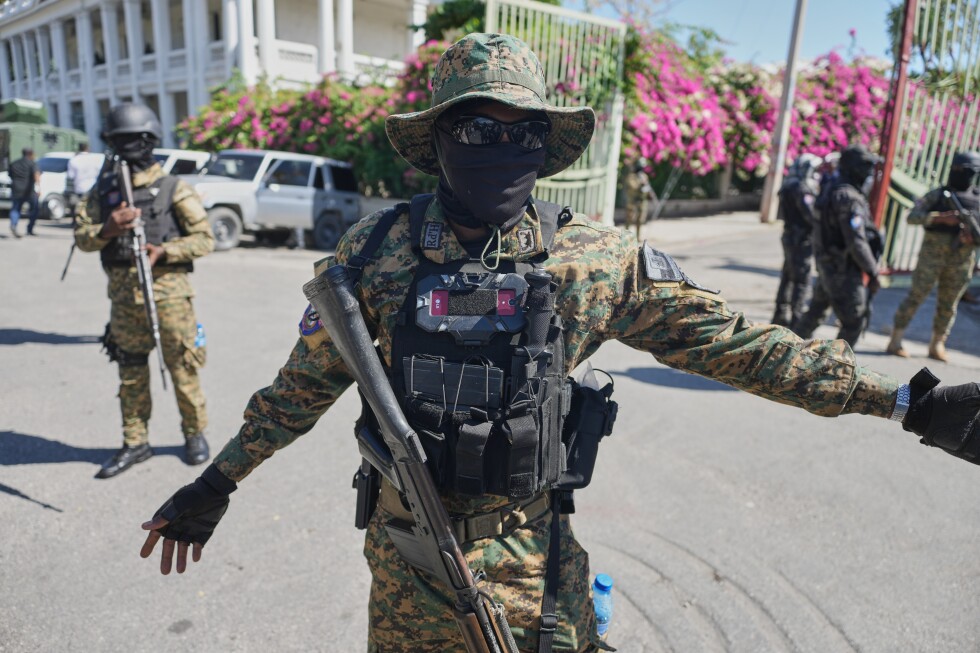
    The repression extends beyond journalists to the general population. Residents report armed, masked groups patrolling neighborhoods, checking citizens’ WhatsApp statuses and messages for critical content. A heavy presence of police, military, and pro-government armed groups known as ‘colectivos’ has created an atmosphere of fear throughout Caracas.

    Interior Minister Diosdado Cabello publicly showcased security forces’ visibility in communities, posting images of himself with armed police on social media. Meanwhile, anonymous sources describe military personnel on every corner and armed civilian groups instilling fear among the population.

    This incident continues a pattern of media suppression in Venezuela, where foreign news organizations face significant visa restrictions. The current situation echoes the post-2024 election crackdown when security forces similarly monitored digital communications, leading many Venezuelans to delete their social media accounts and message histories.

    According to human rights organization Foro Penal, Venezuela currently holds over 800 political prisoners as of January 5, with many previously sentenced to lengthy prison terms for ‘treason’ following the disputed 2024 presidential election.

  • BBC Verify examines claims Venezuela ‘stole’ US oil

    BBC Verify examines claims Venezuela ‘stole’ US oil

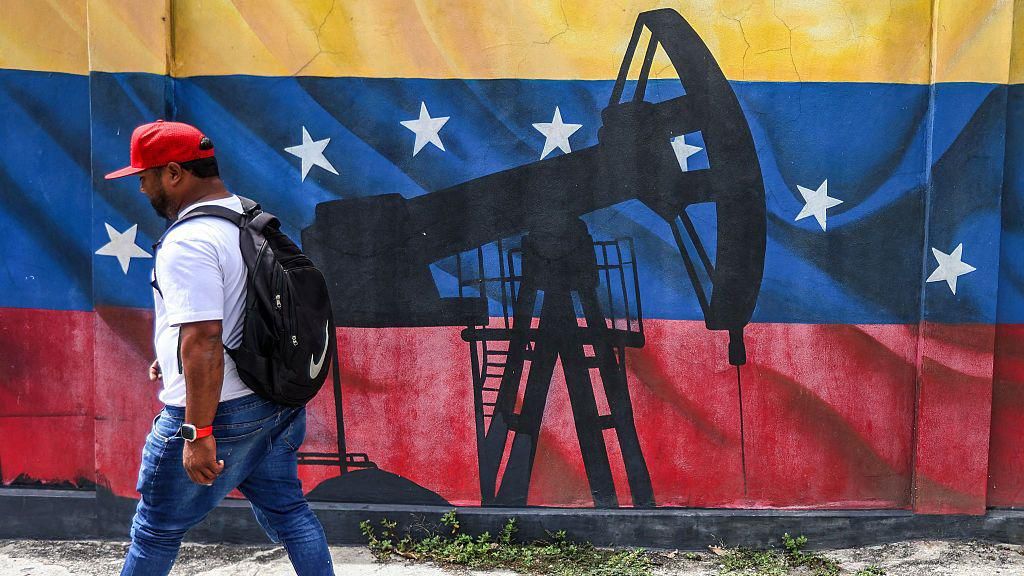
    Recent geopolitical developments have brought renewed attention to the complex energy relationship between the United States and Venezuela. Analysis reveals that securing access to Venezuela’s substantial petroleum reserves represents a fundamental driver behind Washington’s current policy approach toward the South American nation.

    This strategic priority has emerged as a central factor influencing diplomatic maneuvers and economic decisions, with energy security considerations appearing to outweigh other foreign policy objectives. The situation reflects the ongoing recalibration of global energy alliances and resource competition.

    Venezuela, despite recent production challenges, maintains the world’s largest proven oil reserves, presenting a significant strategic interest for energy-consuming nations. The U.S. government’s positioning suggests a pragmatic recognition of Venezuela’s continuing importance in global energy markets, even amid longstanding political tensions between the two governments.

    The evolving dynamic highlights how resource economics frequently intersect with international diplomacy, creating complex relationships between nations with competing political systems but complementary economic needs. This case exemplifies how energy requirements can shape foreign policy in unexpected ways, creating diplomatic openings even between historically antagonistic governments.