标签: South America

南美洲

  • FAA urges pilots to exercise caution over eastern Pacific, citing ‘military activities’

    FAA urges pilots to exercise caution over eastern Pacific, citing ‘military activities’

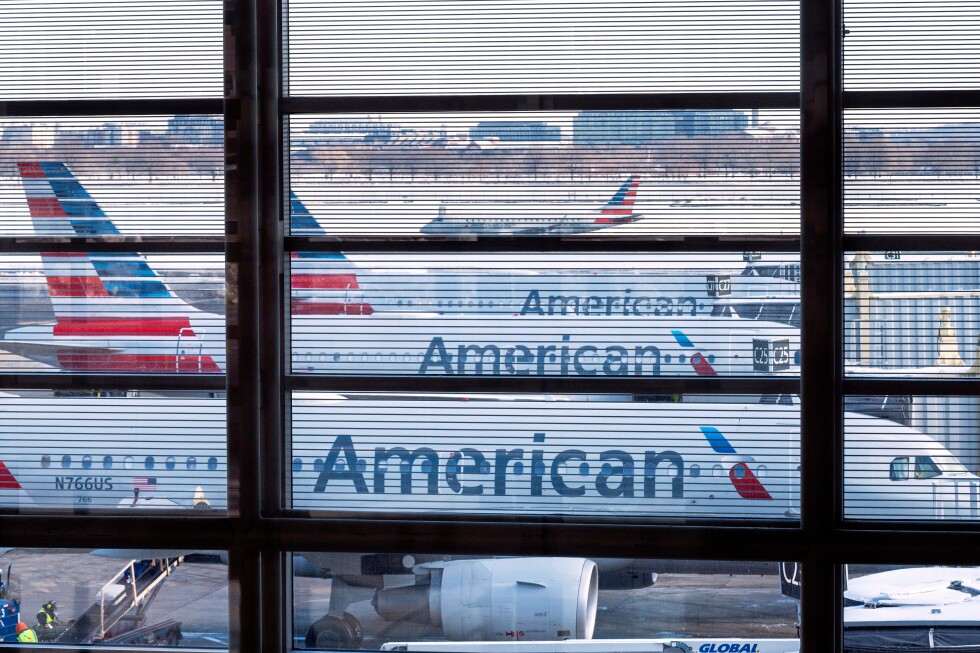
    The Federal Aviation Administration (FAA) has issued significant flight safety advisories for aircraft operating over the eastern Pacific region, specifically highlighting areas adjacent to Mexico, Central America, and certain South American territories. These warnings, disseminated through official Notices to Airmen (NOTAMs) on Friday, cite heightened military activities and concerning instances of satellite navigation interference as primary reasons for caution.

    The FAA’s advisory explicitly states that ‘potential risks exist for aircraft at all altitudes,’ encompassing overflight operations as well as critical flight phases including arrival and departure procedures. Such notifications represent standard protocol when aerial operations might be affected by regional security developments.

    This aviation guidance emerges against the backdrop of sustained U.S. military engagement in the Caribbean Sea and eastern Pacific waters. Over the preceding four months, American forces have conducted approximately 35 targeted strikes against vessels allegedly involved in narcotics trafficking. According to official figures from the Trump administration, these operations resulted in at least 115 casualties.

    The situation escalated dramatically with a confirmed ‘large-scale strike’ targeting Venezuelan interests. In a consequential development, Venezuelan President Nicolás Maduro and First Lady Cilia Flores were apprehended and extradited to New York, where they now confront federal indictments on drug trafficking charges. These extraordinary events have significantly altered the regional security landscape, prompting aviation authorities to implement enhanced precautionary measures for civilian air traffic.

  • Venezuelan opposition leader is confident about return of democracy but says little of her plans

    Venezuelan opposition leader is confident about return of democracy but says little of her plans

    WASHINGTON — Venezuelan opposition figure María Corina Machado expressed profound confidence in her nation’s democratic future following the U.S. military’s removal of former President Nicolás Maduro, though she notably avoided providing specific timelines for elections or her own return to Venezuela.

    Her carefully measured statements reveal the complex political reality emerging after President Trump’s endorsement of Maduro loyalist Delcy Rodríguez as interim leader. This development has effectively sidelined Machado, the Nobel Peace Prize recipient recognized for her democratic advocacy.

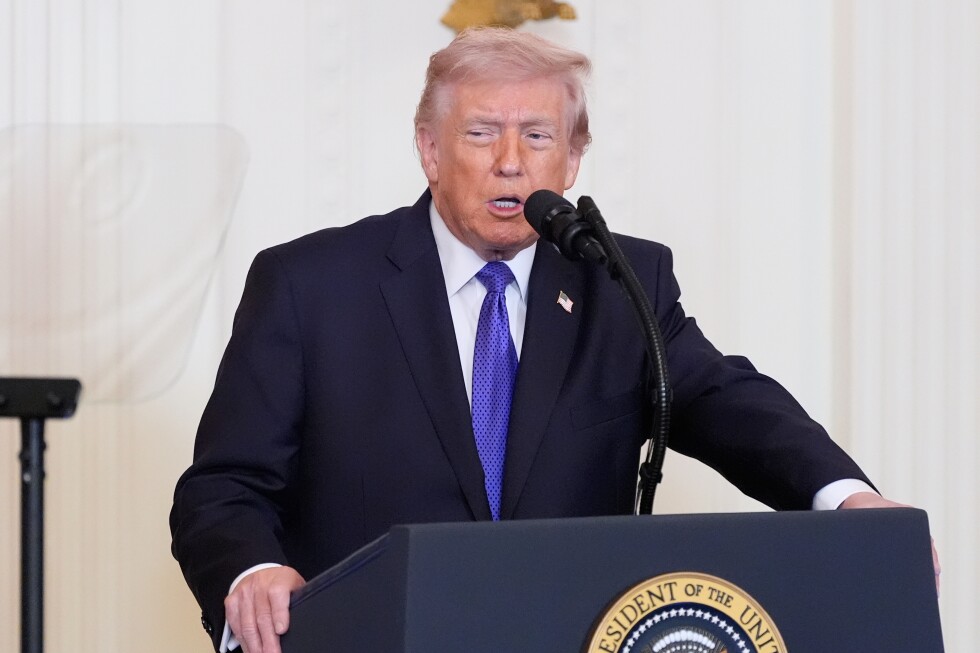
    In a strategic diplomatic gesture, Machado presented her Nobel medal to President Trump during White House talks, simultaneously as CIA Director John Ratcliffe conducted meetings with Acting President Rodríguez in Caracas. This coordinated activity signals the administration’s current preference for working with established government structures rather than opposition movements.

    Addressing attendees at the Heritage Foundation, Machado articulated her vision for Venezuela’s transformation from a socialist government historically antagonistic toward the U.S. into a potential strategic ally. She dismissed suggestions of tension between Rodríguez’s interim government and her opposition movement, instead emphasizing her movement’s popular mandate and documenting the previous administration’s human rights violations.

    Notably, Machado declined to elaborate on her discussions with Trump or specify policy recommendations for U.S. engagement, stating she felt no need to ‘urge the president on specific things.’ Her visit aimed to rebuild support for Venezuelan democracy that characterized Trump’s first term, though the Nobel Institute has clarified that the peace prize cannot be transferred or shared.

    Despite Machado’s diplomatic efforts, the administration continues viewing Rodríguez as the most capable leader to stabilize the nation. Current initiatives include plans for U.S. energy companies to rehabilitate Venezuela’s deteriorated oil infrastructure and potential reopening of the U.S. Embassy in Caracas, which Trump had shuttered during his previous administration.

    The political context remains complex: Machado, who mobilized millions during the 2024 election campaign, was ultimately barred from running. Though her substitute candidate was widely believed to have won, election authorities declared Maduro victorious. Following the disputed election, Machado entered hiding before resurfacing to accept her Nobel Prize in Norway—her first international travel in over a decade.

  • CIA director meets Venezuela’s acting president in Caracas

    CIA director meets Venezuela’s acting president in Caracas

    In a significant diplomatic development, CIA Director John Ratcliffe conducted a high-level meeting with Venezuela’s Acting President Delcy Rodríguez in Caracas, marking the most senior Trump administration engagement since the extraordinary U.S. military operation that captured former leader Nicolás Maduro. The two-hour discussion on Thursday represented a strategic effort to reshape bilateral relations between the historically adversarial nations.

    The previously undisclosed meeting, confirmed by U.S. officials speaking on condition of anonymity, was personally directed by President Donald Trump as a demonstration of Washington’s willingness to forge improved ties with Venezuela’s current leadership. The diplomatic overture occurred concurrently with opposition figure María Corina Machado’s White House visit, where she presented her Nobel Peace Prize to Trump—an event that highlighted the administration’s complex balancing act with Venezuelan political factions.

    Ratcliffe’s delegation, which included a select team of American officials, focused discussions on potential economic cooperation frameworks and delivered a firm warning regarding Venezuela’s tolerance of U.S. adversaries. The CIA director emphasized that Caracas must prevent the resurgence of drug trafficking networks and other anti-American elements within its borders. This diplomatic mission builds upon the CIA’s instrumental role in providing intelligence support for Maduro’s capture and previous operations targeting cartel infrastructure.

    Meanwhile, Acting President Rodríguez used her inaugural state of the union address to advocate for liberalizing Venezuela’s state-controlled oil industry, seeking increased foreign investment following the Trump administration’s commitment to oversee the nation’s crude oil sales. This policy shift suggests potential alignment with U.S. economic interests despite previous tensions.

  • Machado vows to lead Venezuela ‘when right time comes’

    Machado vows to lead Venezuela ‘when right time comes’

    Venezuelan opposition figure María Corina Machado has declared her intention to assume the presidency “when the right time comes,” positioning herself as the potential first female leader of the nation. During her Washington visit, Machado presented former President Donald Trump with her Nobel Peace Prize medal, characterizing the gesture as acknowledgment of his dedication to Venezuelan liberation.

    This political theater unfolds against the backdrop of extraordinary developments: the U.S. apprehended sitting President Nicolás Maduro in Caracas on January 3rd, transporting him to New York to confront multiple narcotics and weapons trafficking indictments.

    Despite these dramatic events, Trump has refrained from endorsing Machado as Venezuela’s successor leadership, citing insufficient domestic backing—even as her opposition coalition asserts victory in the heavily disputed 2024 elections. Instead, U.S. engagement has focused on interim President Delcy Rodríguez, Maduro’s former vice-president.

    Machado’s Capitol Hill appearances were met with fervent support from chanting admirers waving Venezuelan flags, though their cries of “María, presidente” occasionally overwhelmed her remarks to journalists.

    Concurrently, Rodríguez conducted a significant two-hour meeting with CIA Director John Ratcliffe at Trump’s behest, described by U.S. officials as confidence-building diplomacy. The discussions reportedly addressed potential economic cooperation and reiterated that Venezuela must cease being a sanctuary for American adversaries.

    In her inaugural state of the union address, Rodríguez asserted Venezuela’s readiness to engage the U.S. through political dialogue while defending national “dignity and honor.” She simultaneously announced oil sector reforms inviting greater foreign investment—a notable departure from Maduro’s economic policies. Trump subsequently praised Rodríguez as a “terrific person” following their telephone discussion, which the interim leader characterized as productive and respectful.

  • Cuba launches mass demonstration to decry US attack on Venezuela and demand Maduro’s release

    Cuba launches mass demonstration to decry US attack on Venezuela and demand Maduro’s release

    HAVANA — In a powerful display of political solidarity, tens of thousands of Cuban citizens converged Friday upon Havana’s iconic Anti-Imperialist Tribune plaza, situated directly opposite the United States Embassy. The government-organized demonstration served as both a memorial for 32 Cuban security officers killed during a January 3rd operation in Venezuela and a protest against U.S. foreign policy.

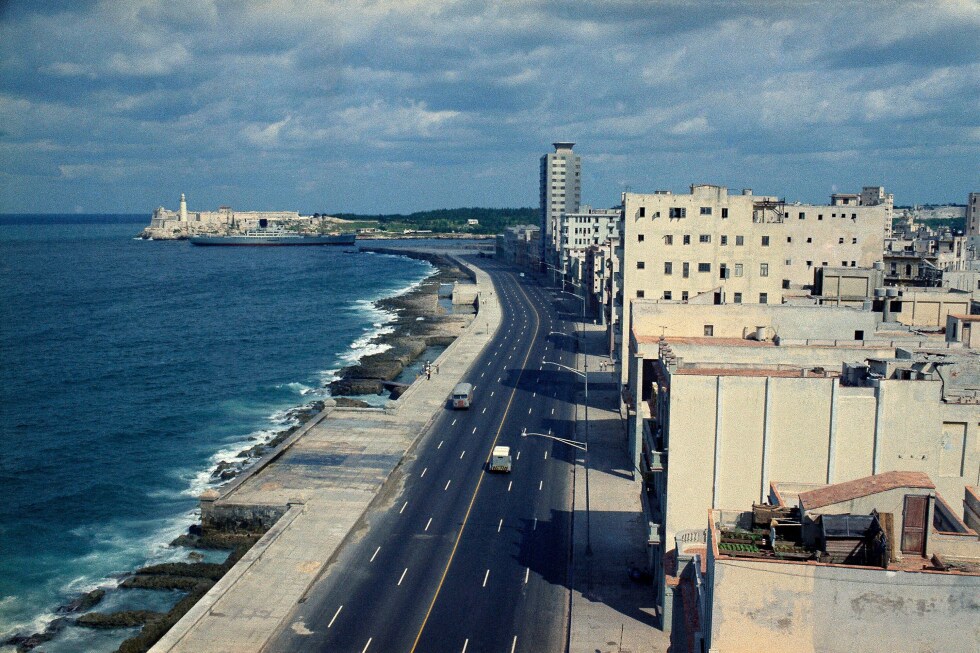
    Participants waved Cuban and Venezuelan flags amidst the coastal breeze along Havana’s waterfront, creating a sea of national colors. President Miguel Díaz-Canel personally engaged with the assembled crowd, many bundled against the unseasonable chill. The gathering echoed with Cuba’s national anthem, symbolizing what government officials characterized as unified resistance against external threats.

    The catalyst for this massive gathering stems from a controversial U.S. military action in Caracas that resulted in the deaths of three dozen Cuban officers who formed part of former Venezuelan president Nicolás Maduro’s security detail. The operation, intended to apprehend Maduro on drug trafficking charges, has significantly escalated tensions between Havana and Washington.

    Cuba’s Foreign Ministry utilized social media platform X to declare: “The entire Nation rises up! This constitutes a resounding response to those who dare to threaten the peace and sovereignty for which we have fought so hard.”

    The demonstration occurred against a backdrop of increasingly strained relations following President Donald Trump’s recent statements demanding Cuba “make a deal” before facing unspecified consequences. Trump additionally announced measures to disrupt Cuba’s access to Venezuelan oil resources, which experts warn could have devastating effects on an already struggling Cuban economy experiencing severe energy shortages.

    This show of popular strength evolved into what Cubans term a “combatant march,” a tradition dating back to Fidel Castro’s leadership era. The event follows Thursday’s solemn ceremonies where thousands paid respects to the slain officers at the Ministry of the Armed Forces headquarters. The officers’ remains returned to Cuba Thursday morning, with memorial services scheduled across all provincial capitals before Friday afternoon interments.

    The Trump administration has notably intensified economic sanctions against Cuba, continuing a policy framework established in the 1960s but implementing additional measures that have significantly constrained the island nation’s economy—an outcome explicitly acknowledged by White House officials.

  • CIA director had two-hour meeting with new Venezuelan leader in Caracas

    CIA director had two-hour meeting with new Venezuelan leader in Caracas

    In a significant diplomatic development, CIA Director John Ratcliffe conducted a high-level meeting with Venezuela’s Interim President Delcy Rodríguez in Caracas on Thursday. The two-hour discussion, authorized by President Donald Trump, marked the first cabinet-level US official visit to Venezuela amid shifting political dynamics following the capture of former President Nicolás Maduro.

    The meeting focused on establishing trust and communication channels between the two nations, with particular emphasis on economic collaboration and regional security concerns. A US official stated the dialogue reinforced that Venezuela could no longer serve as a safe haven for America’s adversaries. The encounter occurred concurrently with Rodríguez delivering her inaugural state of the union address, where she announced substantial reforms to Venezuela’s oil industry policies.

    Rodríguez, sworn in on January 5th after US forces detained Maduro and his wife on drug trafficking charges in New York, struck a balanced tone in her national address. While expressing willingness to engage in political dialogue with the United States, she emphasized Venezuela’s commitment to defending its sovereignty and honor. The interim president notably declared she would travel to Washington if necessary, but only “walking on her feet, not dragged there.”

    The proposed hydrocarbon law reforms represent a dramatic shift from Maduro’s policies, potentially allowing foreign companies to operate without mandatory partnership with state-owned PDVSA, which previously required majority stakes. Rodríguez announced plans to establish two sovereign funds—one dedicated to social protection directing currency to hospitals, schools, and food security, and another for infrastructure development addressing water, electricity, and transportation needs.

    This diplomatic engagement occurs against the backdrop of Venezuela’s severe economic crisis, characterized by hyperinflation and food shortages that have left citizens struggling for basic necessities. While Trump has encouraged US oil companies to invest approximately $100 billion in Venezuela’s vast oil reserves, industry executives remain cautious, describing the country as currently “uninvestable” without significant structural changes.

    The White House has asserted direct control over Venezuelan oil sales, with Trump stating American administration would determine which firms operate in the region, explicitly noting “You’re not dealing with Venezuela at all.” This arrangement, according to Trump, would contribute to lower energy prices in the United States while generating revenue for both nations.

    Chevron remains the last major US oil company operating in Venezuela, which maintains the world’s largest proven oil reserves despite a century of complicated relationships with international energy firms.

  • Venezuelans in Spain are caught between hope and fear after Maduro’s capture

    Venezuelans in Spain are caught between hope and fear after Maduro’s capture

    MADRID — The dramatic capture of Venezuelan leader Nicolás Maduro by U.S. forces has triggered powerful emotional responses among the 600,000 Venezuelan expatriates residing in Spain—the largest diaspora community outside the Americas. Many originally fled political persecution, violence, and economic collapse under Maduro’s regime, establishing new lives in Madrid’s healthcare, hospitality, and service industries.

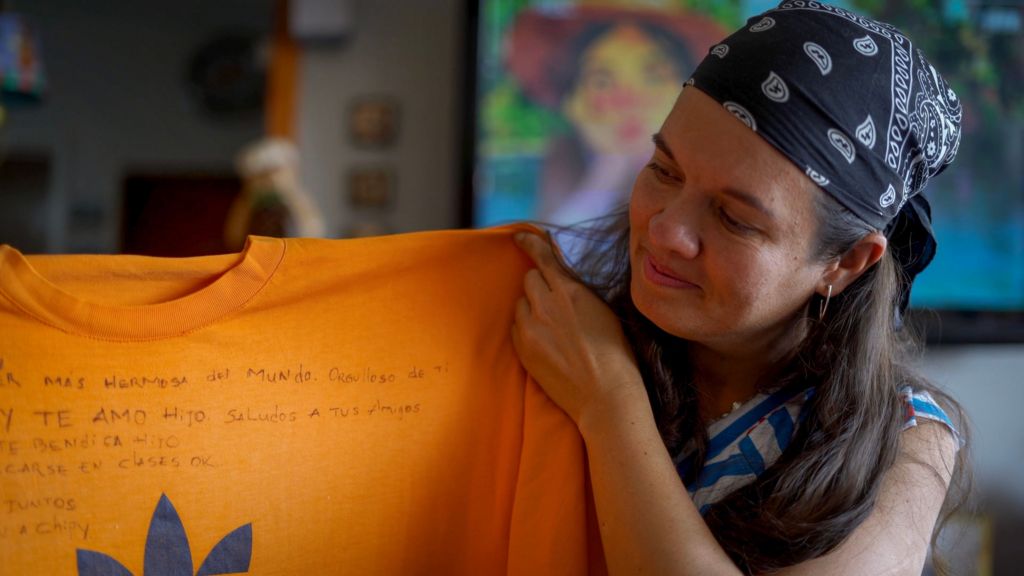
    David Vallenilla, a 65-year-old Caracas native living in Madrid, received the news through frantic messages from relatives. His personal tragedy epitomizes the regime’s brutality: In 2017, his 22-year-old nursing student son was fatally shot point-blank by a Venezuelan soldier during protests. The widely circulated video of the incident became symbolic of state violence. After demanding justice, Vallenilla faced threats and relocated to Spain with NGO assistance. While acknowledging that nothing can restore his son, he views recent developments as potential light after years of darkness.

    Journalist Carleth Morales, who arrived in Madrid twenty-five years ago anticipating temporary studies, never envisioned Venezuela’s prolonged deterioration. She founded the Venezuelan Journalists Association in Spain, connecting hundreds of exiled professionals. Though skeptical about returning personally after decades abroad, she dreams of her daughters someday considering Venezuela a land of opportunity rather than trauma.

    Verónica Noya embodies the anguish of families with imprisoned relatives. Her husband, army Captain Antonio Sequea, remains in solitary confinement since 2020 for participating in a military operation against Maduro. With four relatives still detained, she awaits news of their promised release while struggling to explain her husband’s absence to their children. Despite obtaining Spanish citizenship through family roots, she maintains her Venezuelan identity and hopes for a democratic homeland.

  • Cuba counts cost of alliance after 32 troops killed in Venezuela

    Cuba counts cost of alliance after 32 troops killed in Venezuela

    Havana witnessed a solemn procession as the remains of 32 Cuban personnel killed during recent US military operations in Venezuela returned home. From sunrise, military formations, government officials, and civilians lined the route between José Martí International Airport and the Armed Forces Ministry, paying respects to what state media termed “fallen heroes.” The country’s leadership, including Raúl Castro and President Miguel Díaz-Canel, received flag-draped boxes containing cremated ashes, each displayed alongside photographs of the deceased beneath inscriptions reading “honor and glory.

    This incident represents the most significant combat loss for Cuban forces at US hands since the 1961 Bay of Pigs invasion, highlighting the rarity of direct military engagements between the two nations over the past six decades. The successful Delta Force operation, resulting in no reported American casualties, demonstrated the tactical disparity between US special forces and Cuban operatives.

    The aftermath has forced Havana’s unprecedented acknowledgment of deploying intelligence officers within Venezuela’s power structures, confirming long-standing allegations about Cuban involvement across Caracas’ security apparatus. This revelation exposes the深度of intelligence cooperation that formed a cornerstone of bilateral relations, with Cuba sharing decades of experience in maintaining political control with its Venezuelan partners.

    Geopolitical shifts are accelerating following Venezuela’s leadership transition. Interim President Delcy Rodríguez’s telephone diplomacy with Donald Trump—who subsequently praised her as “a terrific person”—marks a dramatic reversal from previous US characterization of Venezuela’s government as “narco-terrorists.” This emerging modus vivendi between Caracas and Washington leaves Cuban officials uncertain about their future influence in the region.

    Amid these developments, 88-year-old revolutionary veteran Víctor Dreke—a contemporary of Fidel Castro and Che Guevara—draws parallels with the 1961 invasion, insisting Cuba would vigorously resist any US incursion. “If the Americans put a single foot on Cuban soil, it won’t be like their cowardly ambush of our combatants in Venezuela,” Dreke asserted, quoting Raúl Castro’s warning about stirring “a hornets’ nest.”

    The nation prepares under difficult circumstances: widespread blackouts, an economy crippled by embargo and mismanagement, scarce fuel, and stagnant tourism recovery. The potential loss of Venezuelan support compounds these challenges, creating what many perceive as a bleak outlook. Yet revolutionary veterans like Dreke maintain that Cuba has endured previous crises and will persevere through continued resistance, even as officials emphasize they seek no escalation with Washington.

  • Public pay their respects to Cubans killed in Venezuela during US raid

    Public pay their respects to Cubans killed in Venezuela during US raid

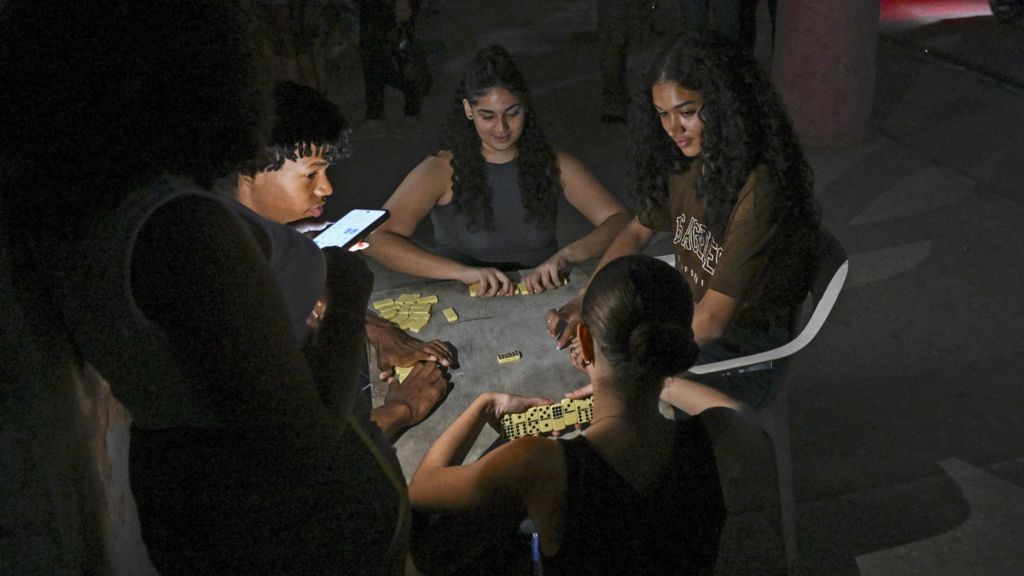
    The streets of Havana witnessed a profound display of collective mourning as citizens gathered to honor the memory of their compatriots killed during a recent cross-border security operation in Venezuela. The incident, which involved a US-led raid, has sparked significant emotional outpouring and diplomatic tensions. In the Cuban capital, residents formed solemn processions, demonstrating a powerful sense of national solidarity. The fatalities, reported to be Cuban nationals, occurred during a contentious military action on Venezuelan soil, further complicating the already strained relations between Havana and Washington. This public demonstration serves not only as a memorial but also as a silent protest against foreign intervention, highlighting the deep-seated grievances and the human cost of international geopolitical conflicts. Local authorities observed the gatherings, which remained peaceful yet charged with emotion, reflecting the community’s call for justice and sovereignty.

  • Brazil’s Supreme Court moves Bolsonaro to larger cell with outdoor area

    Brazil’s Supreme Court moves Bolsonaro to larger cell with outdoor area

    BRASILIA — Brazil’s Supreme Court has mandated the relocation of former President Jair Bolsonaro to significantly improved detention quarters within the Papuda Penitentiary Complex, marking a notable shift in his incarceration conditions. Justice Alexandre de Moraes issued the ruling on Thursday, transferring the far-right leader from the federal police headquarters to a spacious 54-square-meter cell featuring a 10-square-meter exterior area.

    The new facility, described as apartment-style accommodations, includes a double bed, kitchenette, laundry facilities, living area, and private outdoor space. The enhanced conditions also permit increased family visitation hours and installation of physiotherapy equipment including a treadmill and stationary bicycle. This transition responds to ongoing claims by Bolsonaro’s family regarding alleged inadequate treatment and medical neglect during his imprisonment.

    Justice de Moraes explicitly refuted these allegations in his decision, stating: ‘There has been a systematic attempt to delegitimize the regular and lawful execution of the custodial sentence, which has been carried out with full respect for human dignity.’ The justice emphasized that Bolsonaro’s conviction for ‘extremely serious crimes’ distinguished his sentence from ‘a hotel stay or vacation colony’ as allegedly characterized by the former president’s supporters.

    Notably, the court denied internet-capable smart television access, citing institutional security concerns and potential risks of improper external communication. Bolsonaro will instead receive medical services from an on-site health post staffed by dedicated medical professionals including physicians, nurses, and mental health specialists.

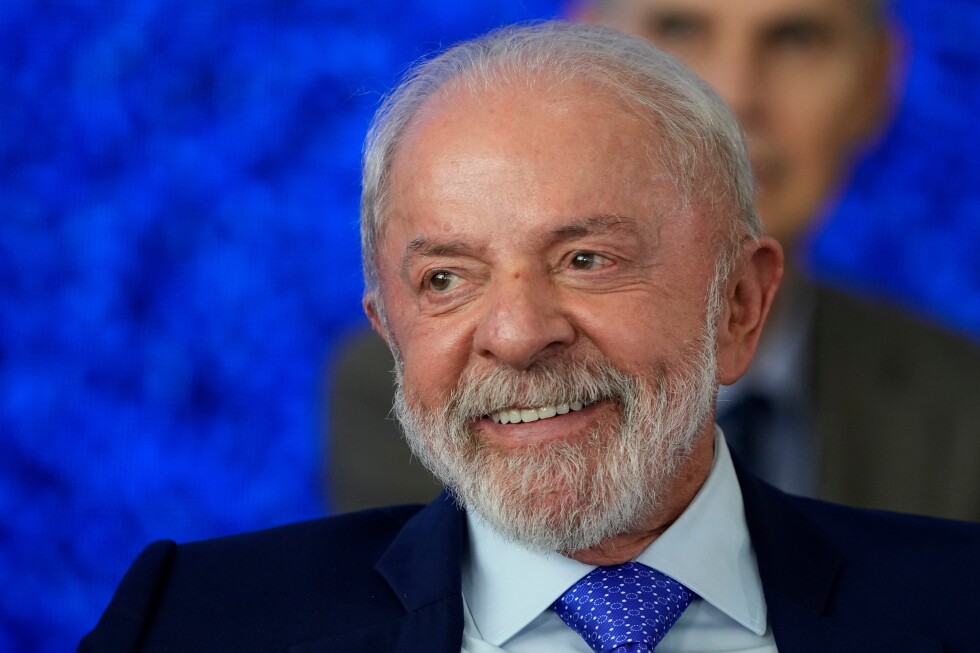
    The former president is serving a 27-year sentence for leading an armed criminal organization and orchestrating attempts to overthrow Brazil’s democratic institutions following his 2022 electoral defeat. Court documents reveal the plot included assassination plans targeting President Luiz Inácio Lula da Silva, Vice President Geraldo Alckmin, and Justice de Moraes himself, alongside incitement of insurrection.

    Bolsonaro’s legal team continues pursuing house arrest based on medical grounds, citing multiple hospitalizations since his 2018 campaign stabbing and recent head injury from a fall. The Supreme Court confirmed the transfer had been executed following the ruling.