标签: Oceania

大洋洲

  • World Cup marks 100-day countdown amid political upheaval

    World Cup marks 100-day countdown amid political upheaval

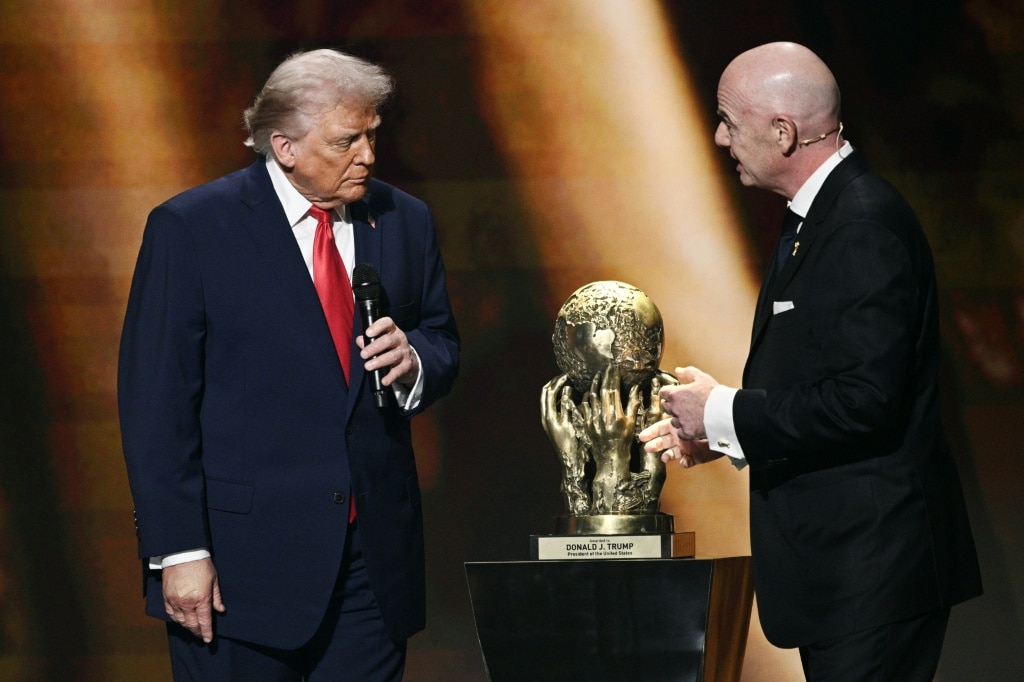
    As the 100-day countdown commences for the largest FIFA World Cup in history, the monumental sporting event finds itself navigating a complex landscape of geopolitical tensions and operational hurdles. The 2026 tournament, uniquely co-hosted across the United States, Canada, and Mexico, will feature an unprecedented 48 national teams competing in 104 matches. The football extravaganza is scheduled to kick off at Mexico City’s iconic Estadio Azteca on June 11th, culminating in the championship final at New Jersey’s MetLife Stadium on July 19th.

    FIFA President Gianni Infantino projects record-breaking commercial success for the event, forecasting approximately $11 billion in revenue—significantly surpassing the $7 billion generated by the 2022 Qatar World Cup. With over 508 million ticket requests for just seven million available seats, demand has reached unprecedented levels. However, this commercial ambition has drawn criticism from fan organizations worldwide, including Football Supporters Europe, which has condemned FIFA’s pricing strategy as a ‘monumental betrayal’ of loyal supporters.

    Beyond the financial considerations, the tournament confronts substantial political complications. The Trump administration’s international policies—including trade disputes with co-hosts Canada and Mexico, alongside stringent immigration measures affecting qualified nations Iran, Haiti, Senegal, and Ivory Coast—have introduced uncertainty regarding fan accessibility. Although White House officials assure that visa restrictions won’t impede ticketed spectators, geopolitical friction persists.

    Recent U.S.-Israeli military actions against Iran have added diplomatic complexity, particularly as Iran’s national team is slated to play group matches in Los Angeles and Seattle. Simultaneously, Mexico faces security concerns following violent unrest in Guadalajara—a host city for four matches—after military operations targeted drug cartel leadership. Both Infantino and Mexican President Claudia Sheinbaum have publicly affirmed that safety protocols remain robust and games will proceed uninterrupted.

    On the competitive front, the expanded format guarantees that the top two teams from each of the twelve groups, plus eight third-place finishers, will advance to the knockout stage—a structure that minimizes early exits for traditional football powerhouses. The tournament promises compelling narratives, including Lionel Messi’s anticipated sixth and final World Cup appearance as he leads defending champion Argentina against formidable challengers like France, Spain, and an England squad seeking to end a six-decade championship drought. The event will also welcome debutante nations including Cape Verde, Curaçao, Jordan, and Uzbekistan, adding fresh intrigue to the global spectacle.
  • Latest developments after US, Israeli strikes kill Iran’s Khamenei

    Latest developments after US, Israeli strikes kill Iran’s Khamenei

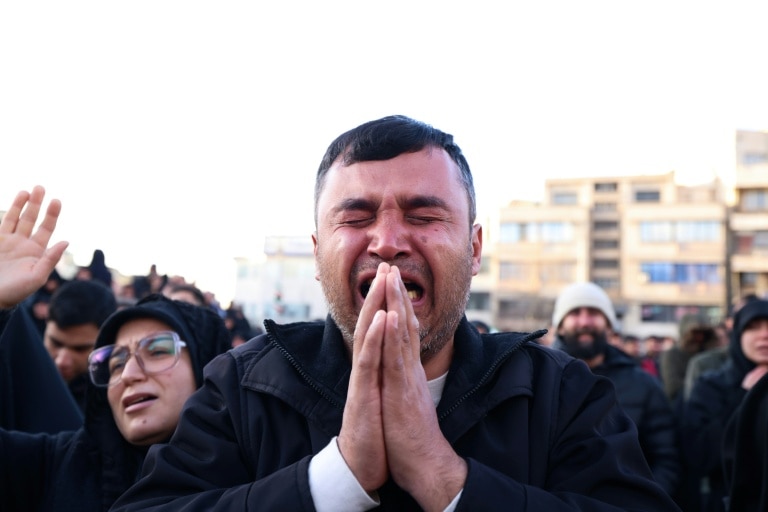
    The Middle East has plunged into unprecedented turmoil following the confirmed death of Iran’s Supreme Leader Ayatollah Ali Khamenei in coordinated military strikes by the United States and Israel. Iranian state television officially announced Khamenei’s passing on Sunday, confirming earlier statements by former US President Donald Trump, who declared the operation had eliminated “one of the most evil people in History.

    The military campaign, initiated on Saturday, has triggered a dangerous escalation across the region. Iran’s army swiftly retaliated by targeting US bases in Iraq’s Kurdistan region and Gulf territories. The Islamic Republic’s Revolutionary Guards vowed to launch “the most ferocious” operation in history against Israeli and American military installations, while simultaneously moving to close the strategically vital Strait of Hormuz.

    Regional violence has intensified dramatically with air raid sirens sounding across Jerusalem as missiles launched from Iran approached Israeli territory. Explosions reverberated through multiple Gulf capitals including Dubai, Manama, and Doha, where thick black smoke was visible on the horizon. The United Arab Emirates reported two fatalities in Abu Dhabi, while Israel’s emergency services confirmed one woman killed and at least 21 injured in the Tel Aviv area.

    Civil unrest has erupted across the Muslim world with deadly protests occurring from Pakistan to Iraq. In Karachi, eight people died as hundreds attempted to storm the US consulate. Iraqi protesters tried to breach Baghdad’s fortified Green Zone housing the US embassy, while thousands demonstrated in Indian-administered Kashmir chanting anti-American and anti-Israeli slogans.

    The human cost continues to mount with Iran confirming the deaths of several top officials including Armed Forces Chief of Staff Abdolrahim Mousavi, Defense Minister Aziz Nasirzadeh, Revolutionary Guards chief General Mohammad Pakpour, and security adviser Ali Shamkhani. Iranian media also reported Khamenei’s daughter, son-in-law, and granddaughter perished in the strikes.

    International response has been swift with the UN Security Council convening an emergency session where Iran’s envoy accused the US and Israel of potential “war crimes.” UN Secretary-General Antonio Guterres warned that military action “carries the risk of igniting a chain of events that no one can control.” The International Atomic Energy Agency will hold an extraordinary meeting on Monday regarding Iran’s nuclear program at Russia’s request.

    Regional governments are taking emergency measures with multiple countries closing airspace and airlines canceling flights across the Middle East. Thailand has initiated preparations to evacuate its citizens from the region using military and charter aircraft, prioritizing those in Iran.

    Iran has declared a 40-day mourning period with seven public holidays, while President Masoud Pezeshkian and two other officials will lead the country during a transitional period. The situation remains highly volatile with new explosions reported in Tehran on Sunday, the source of which remains unclear.

  • AFL 2026: Carlton defender Jacob Weitering is closing in on a swift return from injury

    AFL 2026: Carlton defender Jacob Weitering is closing in on a swift return from injury

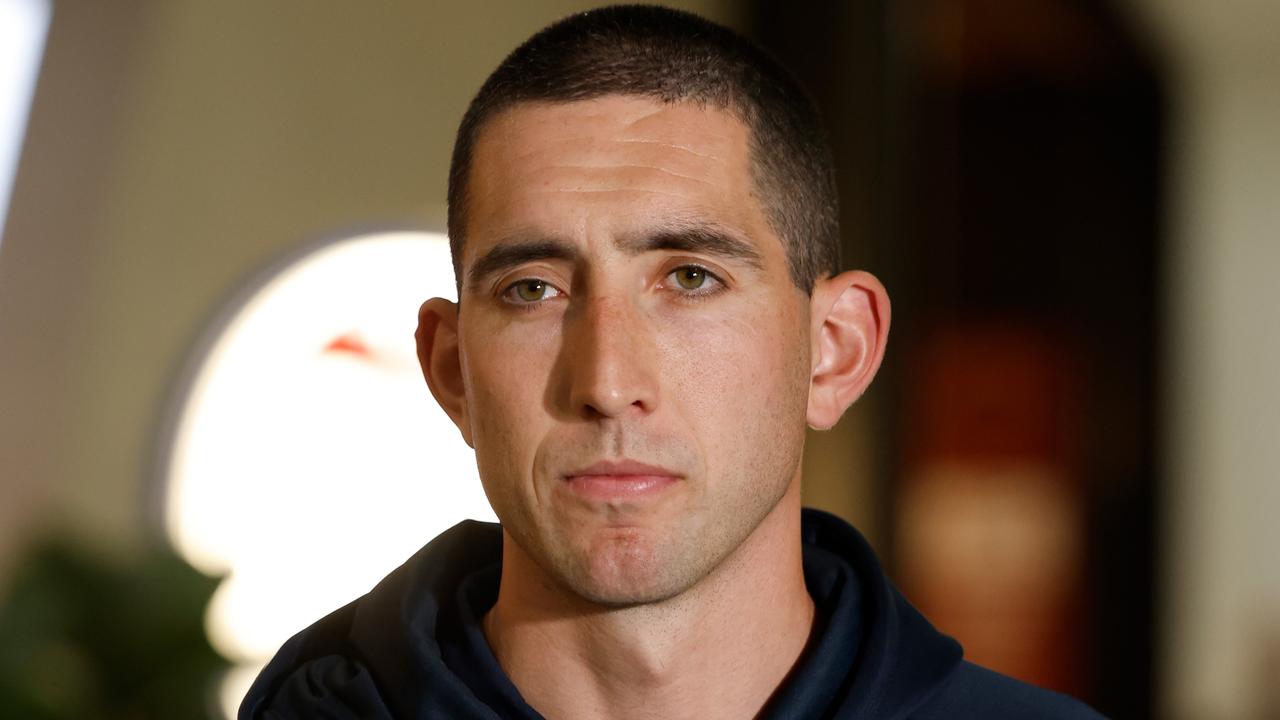
    Carlton Football Club is maintaining a guarded yet hopeful stance regarding the fitness of vice-captain Jacob Weitering, with his availability for the highly anticipated Opening Round clash against Sydney hanging in the balance. The key defender suffered a significant setback last month, sustaining a broken rib during the revived State of Origin event, casting immediate doubt on his participation in the season’s commencement.

    Despite the severity of the injury, club sources indicate Weitering has remained firmly within selection calculations. Teammate George Hewett provided insight into the cautious optimism permeating the club, stating the defender must successfully navigate this week’s training sessions to be considered. “He’s got to get through this week,” Hewett emphasized. “We hope he’s a good chance, but he’s got to train today and we play Thursday, so (train again on) Tuesday, and hopefully he’s right to go. He’s been doing as much as he can… he looks in good shape.”

    The potential absence of Weitering would deliver a substantial tactical blow to Carlton’s defensive structure, particularly in their mission to contain former teammate Charlie Curnow. The star forward sought a move to Sydney at the conclusion of last season, setting the stage for a compelling narrative in Thursday’s encounter.

    Hewett, who himself transitioned between these two clubs in 2021, downplayed any extra motivation in facing a former teammate. “(We’re) just going to treat it like another game,” he remarked. “He’s in a different team now, he was a great servant at this club, but things move on quickly. Six months ago, some players in the AFL wouldn’t have thought they’d be at certain clubs, and it happens, so you’ve just got to move on very quickly.”

    The midfielder emphasized focus on fundamental responsibilities rather than personal narratives, adding: “I think if you worry about that, you’re not worrying about the ball and your role, so once the ball bounces, you get pretty fixated on what you need to do. It’s going to be an exciting game and it will be good for the viewers to watch, which is cool.”

  • Explosion, gunfire as Afghan forces shoot at aircraft over Kabul

    Explosion, gunfire as Afghan forces shoot at aircraft over Kabul

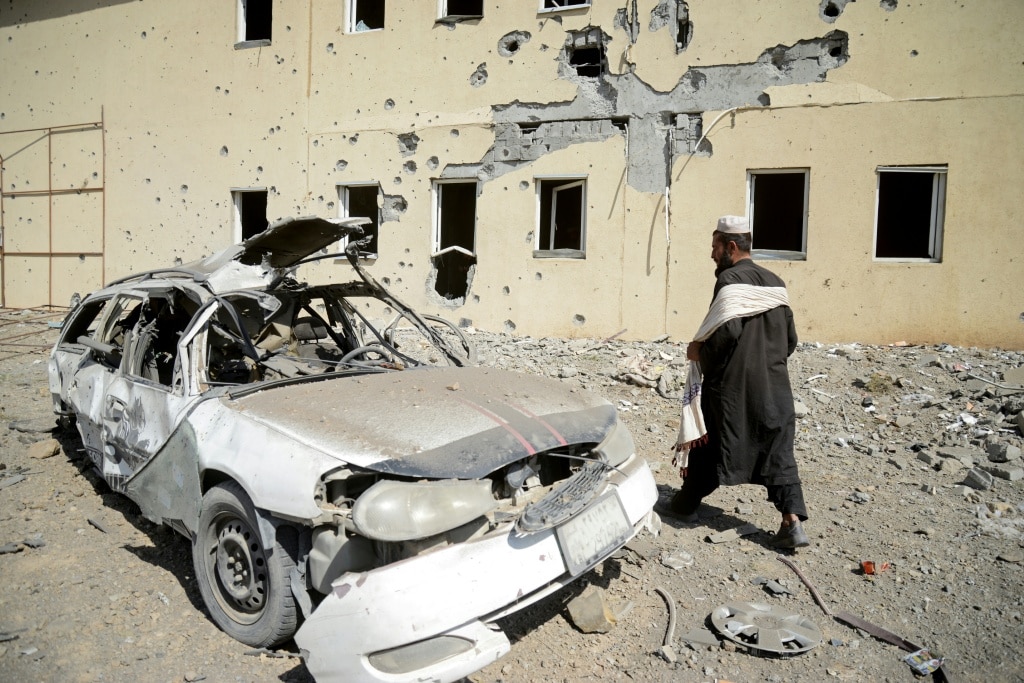
    Kabul was thrust into a state of high alert on Sunday as the sound of explosions and sustained anti-aircraft gunfire echoed through the city center. According to reports from AFP journalists on the ground, the Taliban-led government confirmed its forces were engaging Pakistani aircraft in a significant escalation of ongoing border hostilities.

    The current crisis represents a dangerous intensification of cross-border tensions that have been building for months. The situation deteriorated dramatically on Thursday when Afghan forces initiated an offensive along the contentious frontier, prompting Pakistan to respond with both ground operations and aerial bombardments.

    Taliban government spokesman Zabihullah Mujahid stated Sunday that “anti-aircraft fire is being directed at Pakistani aircraft in Kabul,” confirming the defensive measures being taken in the capital. Pakistan has acknowledged conducting bombing campaigns on Friday targeting key Afghan cities including Kabul and Kandahar—the latter being home to Afghanistan’s supreme leader.

    Civilian casualties have become a central point of contention in the conflict. Afghan authorities have accused Pakistan of killing non-combatants in multiple attacks, allegations that Islamabad has not directly addressed. In rural southern Kandahar, construction workers reported being hit by two airstrikes on Sunday, with site managers confirming three fatalities.

    “Everything went dark before our eyes,” recounted 20-year-old Enamullah, who provided only one name. “I came from Kabul just to earn a piece of bread.”

    According to Afghan government deputy spokesman Hamdullah Fitrat, Pakistani fire has killed 30 civilians across eastern Khost, Kunar, and Paktika provinces since Thursday, in addition to those killed in Kandahar. These casualty figures, like many claims from both sides, remain difficult to verify independently.

    The conflict has expanded beyond aerial engagements. An AFP journalist in Jalalabad reported hearing a jet and two explosions on Saturday, with Afghan security forces claiming they downed a Pakistani fighter jet and captured its pilot—an assertion Islamabad dismissed as “totally untrue.”

    Diplomatic efforts to secure a ceasefire have thus far proven unsuccessful. Saudi Arabia and Qatar have engaged in mediation attempts, while China has stated it is “working with” both countries and called for calm. The United States has expressed support for “Pakistan’s right to defend itself against Taliban attacks,” according to Under Secretary of State for Political Affairs Allison Hooker.

    The fundamental dispute centers on Pakistan’s accusation that Afghanistan has failed to act against militant groups conducting attacks within Pakistani territory—a charge the Taliban government rejects. Many recent assaults have been claimed by Tehreek-e-Taliban Pakistan (TTP), a militant group that has intensified operations since the Taliban returned to power in Kabul in 2021.

    Analysts note that this week’s escalation marks a strategic shift, with Pakistan focusing airstrikes on Afghan government facilities rather than solely targeting militant positions as in previous operations.

    Pakistan’s information minister reported that 37 locations across Afghanistan had been hit by airstrikes since operations began, while Islamabad earlier stated that 12 of its soldiers had been killed. Meanwhile, Afghan officials claim to have killed more than 80 Pakistani soldiers and captured 27 military posts.

    The defense ministry in Kabul has also asserted it conducted air strikes on Pakistani territory over the past two days, which observers believe may have been drone operations.

    With Islamabad declaring “open war” on Friday and the Afghan government calling for “dialogue,” the current violence represents the worst outbreak since October fighting that killed more than 70 people on both sides. Land borders between the neighboring nations have remained largely closed since that time, further complicating the humanitarian and diplomatic situation.

  • Will Oscars be 17th time lucky for songwriter Diane Warren?

    Will Oscars be 17th time lucky for songwriter Diane Warren?

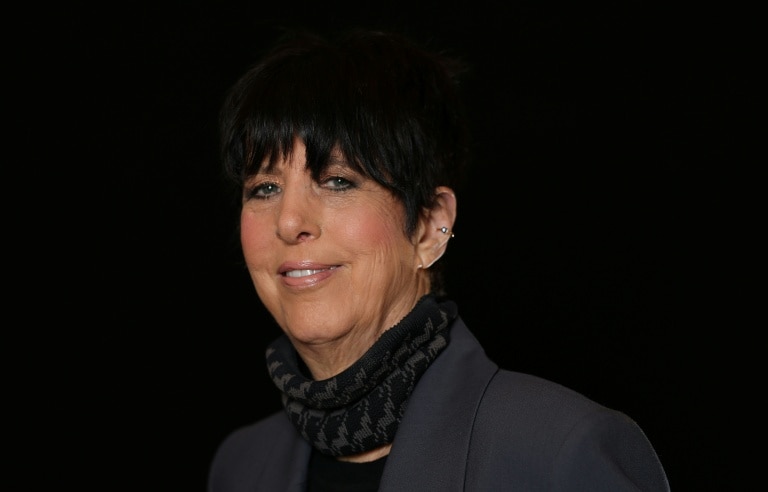
    After an unprecedented 17 nominations spanning nearly four decades, legendary songwriter Diane Warren stands on the precipice of potentially claiming her first competitive Academy Award. The 68-year-old music icon, recognized for penning timeless hits like Aerosmith’s “I Don’t Want to Miss a Thing” and Celine Dion’s “Because You Loved Me,” has become a perennial Oscars fixture despite never securing the golden statuette.

    This year’s nomination carries profound personal significance for Warren. Her nominated composition, “Dear Me,” serves as an emotional letter of empowerment to her childhood self. Featured in the documentary “Diane Warren: Relentless,” the Kesha-performed ballad directly addresses Warren’s experiences with childhood bullying and isolation. “This is my most personal song I’ve ever done for a movie,” Warren revealed, describing how music provided salvation during her difficult youth.

    The Grammy-winning songwriter conceptualized the piece as a therapeutic message to her younger self, assuring that life would eventually improve despite contemporary hardships. With characteristic humor, Warren added that she envisioned telling her bullied younger self that “you’re going to go back to your reunion, they’re going to look really old, you’re going to still look good, too.”

    Despite holding the record for most Oscar nominations without a win, Warren maintains philosophical perspective about the recognition. She emphasizes that selection by the Academy’s music branch—comprising esteemed composers, songwriters, and music editors—already constitutes victory among hundreds of contenders.

    Warren faces competition from Nicholas Pike’s “Sweet Dreams of Joy” from the opera documentary “Viva Verdi!,” alongside entries from “KPop Demon Hunters,” “Train Dreams,” and “Sinners.” Pike, a first-time nominee, echoed Warren’s sentiment that nomination itself represents extraordinary achievement, remarking that “everyone is a winner” among the distinguished finalists.

    The 98th Academy Awards ceremony on March 15 will determine whether Warren’s 17th attempt finally yields that transformative victory, potentially crowning one of American music’s most influential careers with its missing ultimate accolade.

  • US, Israel defend strikes at UN as Iran alleges ‘war crime’

    US, Israel defend strikes at UN as Iran alleges ‘war crime’

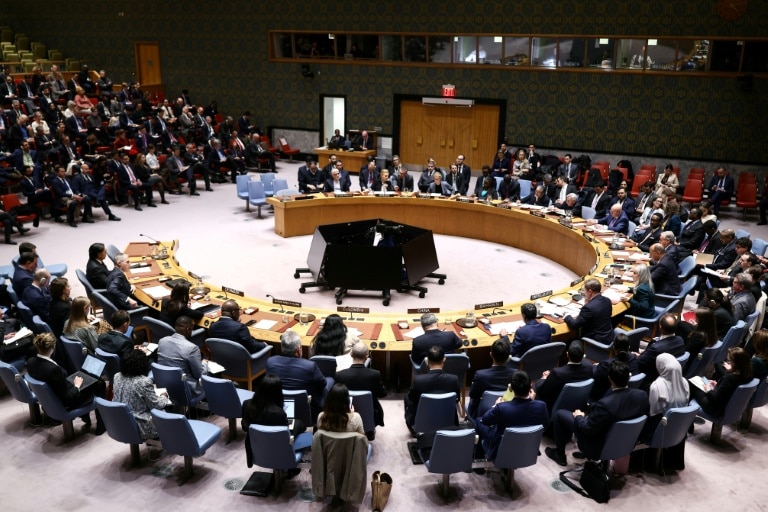
    The United Nations Security Council convened an emergency session amidst escalating tensions following coordinated military strikes by the United States and Israel against Iranian targets. The session revealed profound divisions among global powers regarding the legality and justification of the attacks.

    United States Ambassador Mike Waltz presented Washington’s position, emphasizing that preventing nuclear weapon proliferation by Iran constituted a fundamental global security imperative rather than a political matter. He referenced longstanding UN resolutions allegedly disregarded by Tehran and criticized Iran’s human rights record, particularly its suppression of domestic protests, questioning the nation’s moral standing within the international body.

    Israeli representative Danny Danon characterized the military action as necessary rather than aggressive, asserting that Tehran’s provocations had left no reasonable alternatives. He condemned what he described as hypocrisy among Security Council members who criticized the strikes while remaining silent regarding Iran’s retaliatory measures.

    Iranian Ambassador Amir Saeid Iravani denounced the operations as war crimes, citing significant civilian casualties including more than 100 children at Minab School in southern Iran. He accused certain Council members of applying double standards by overlooking what he termed flagrant aggression against his nation while condemning Iran’s exercise of self-defense under the UN Charter.

    The diplomatic confrontation exposed clear geopolitical fractures. Russia and China exclusively condemned the US-Israeli strikes, while Gulf nations including Saudi Arabia, the United Arab Emirates, and Bahrain issued a joint statement through Bahrain’s ambassador characterizing Iran’s regional attacks as cowardly and holding Tehran fully responsible for escalating hostilities.

    UN Secretary-General Antonio Guterres issued a grave warning regarding the potential for military actions to trigger uncontrollable consequences throughout the Middle East, emphasizing the region’s extreme volatility and the dangers of escalation.

  • Man City win to close on Arsenal as Liverpool hit five

    Man City win to close on Arsenal as Liverpool hit five

    The English Premier League witnessed a dramatic shift in its competitive landscape this Saturday, with critical matches impacting both the title chase and European qualification spots. Manchester City secured a hard-fought 1-0 victory against Leeds United at Elland Road, narrowing the gap with league leaders Arsenal to a mere two points. This crucial win was achieved despite the absence of star striker Erling Haaland, who was sidelined with a minor injury described by manager Pep Guardiola as inconsequential.

    City’s performance, while lacking their characteristic offensive flair, demonstrated significant resilience against a formidable Leeds side that had suffered only two defeats in their previous sixteen outings. The match’s solitary goal was netted by January acquisition Antoine Semenyo, marking his sixth goal in just eleven appearances and proving his value as a decisive signing. Post-match tensions escalated, resulting in a red card for Leeds manager Daniel Farke following a confrontation with match officials, while Guardiola also expressed visible frustration with the refereeing decisions.

    Simultaneously, Liverpool delivered an explosive offensive display, overpowering West Ham United with a 5-2 triumph at Anfield. The Reds showcased a remarkable transformation in set-piece proficiency, with all three first-half goals originating from corners. Hugo Ekitike, Virgil van Dijk, and Alexis Mac Allister all found the net from dead-ball situations, highlighting a significant tactical improvement since the start of the year. Cody Gakpo extended the lead after halftime, followed by an Axel Disasi own goal sealing the comprehensive victory. Despite a second-half resurgence from West Ham with goals from Tomas Soucek and Valentin Castellanos, the result solidifies Liverpool’s hold on fifth place, enhancing their prospects for Champions League qualification.

    In other league action, Brentford emerged victorious from a seven-goal thriller against Burnley, clinching a 4-3 win with a Mikkel Damsgaard stoppage-time goal after a VAR review had previously disallowed a potential Burnley equalizer. Everton continued their impressive away form with a 3-2 win over Newcastle United, while Bournemouth extended their unbeaten streak to eight matches with a 1-1 draw against Sunderland.

  • Fears of Mideast war as US-Iran conflict flares

    Fears of Mideast war as US-Iran conflict flares

    The international community has issued urgent calls for restraint following a dangerous escalation of military actions between the United States, Israel, and Iran, raising profound concerns about potential regional warfare. United Nations Secretary-General Antonio Guterres condemned the reciprocal strikes, emphasizing their detrimental impact on global peace and security while demanding an immediate cessation of hostilities.

    European leadership joined the diplomatic chorus, with Commission President Ursula von der Leyen characterizing Iran’s attacks on the United Arab Emirates as a blatant violation of sovereignty and international law. The EU has scheduled an emergency meeting of foreign ministers to address the rapidly deteriorating situation.

    Russia issued particularly grave warnings, suggesting the conflict could precipitate radiological catastrophe, while China emphasized the necessity of respecting Iran’s territorial integrity. The International Atomic Energy Agency reported no current evidence of radiological impact but continues to monitor developments closely.

    Middle Eastern responses reflected regional tensions, with Qatar reserving its right to respond to Iranian missile attacks on its territory and Lebanon’s government vowing to avoid being drawn into the conflict despite Israeli strikes targeting Iranian proxy Hezbollah. Jordan similarly committed to defending its interests while calling for de-escalation.

    Notable divergences emerged in the international response. South Africa and Norway both asserted that US and Israeli actions violated international law regarding anticipatory self-defense, while Ukraine’s President Zelensky saw opportunity in the turmoil, encouraging Iranians to overthrow their government.

    Humanitarian organizations expressed alarm about civilian consequences. The International Committee of the Red Cross warned of a dangerous chain reaction across the region with potentially devastating humanitarian impacts, while the African Union cautioned that conflict could harm populations across the continent.

    The widespread international condemnation and urgent diplomatic activity underscore the global apprehension that these exchanges could ignite a broader regional war with unpredictable consequences.

  • Republicans back Trump, Democrats attack ‘illegal’ Iran war

    Republicans back Trump, Democrats attack ‘illegal’ Iran war

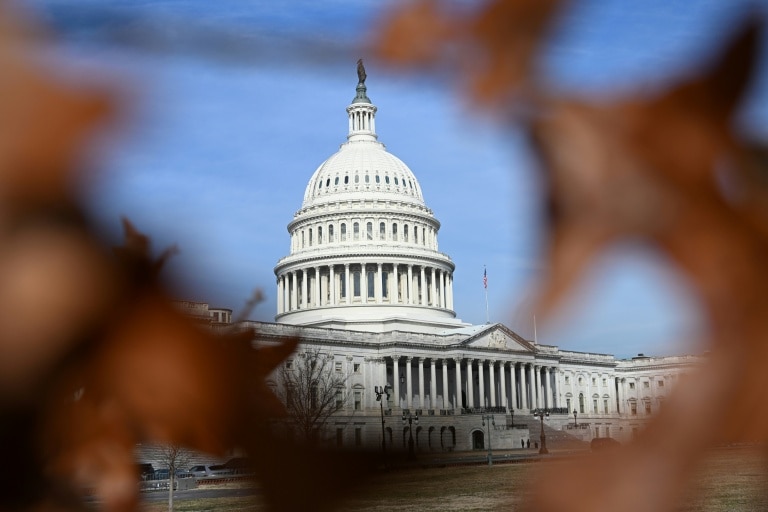
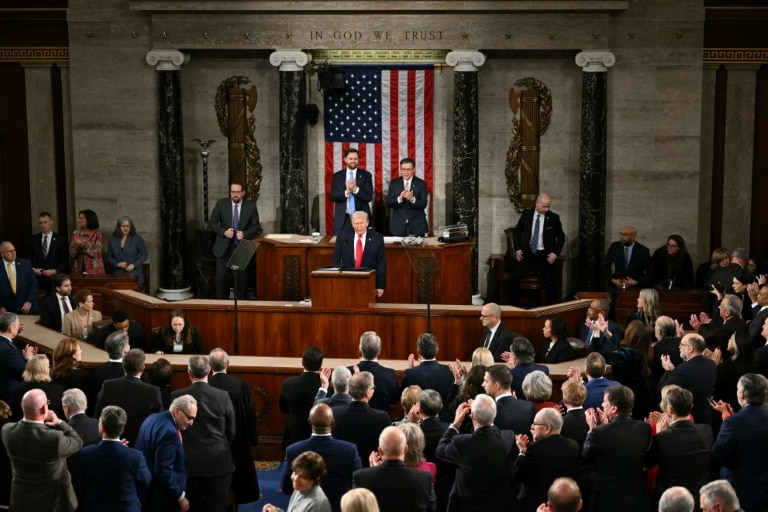
    Washington witnessed a profound political schism as Republican and Democratic lawmakers delivered starkly contrasting responses to President Trump’s authorization of military strikes against Iran. The operation, conducted in coordination with Israeli forces, has ignited intense debate within the halls of Congress regarding its legality, strategic justification, and potential consequences.

    Republican leadership overwhelmingly endorsed the military action, framing it as a necessary response to decades of Iranian aggression. House Speaker Mike Johnson characterized the strikes as addressing Iran’s ‘evil actions,’ including terrorism, nuclear ambitions, and the murder of Americans. Senator Lindsey Graham, a longstanding advocate for intervention, heralded the operation as potentially catalyzing ‘the most historic change in the Middle East in a thousand years,’ predicting a violent but ultimately successful outcome.

    Democratic leadership mounted vigorous opposition, condemning the operation as an unconstitutional escalation. Senate Minority Leader Chuck Schumer emphasized public reluctance toward another Middle Eastern conflict amid domestic challenges, while Senator Jack Reed criticized the administration for entering a major war without congressional authorization or a clear endgame. Progressive voices, including Senator Bernie Sanders, denounced the strikes as ‘illegal, premeditated and unconstitutional,’ warning of increased regional instability and human suffering.

    The administration maintained that key congressional leaders received pre-operation briefings through the Gang of Eight mechanism. However, the political divide revealed fractures within Republican ranks, with Congressman Thomas Massie breaking party ranks to oppose the conflict and pledging collaboration with Democrats to force a congressional war authorization vote.

  • Tug of war: how US presidents battle Congress for military powers

    Tug of war: how US presidents battle Congress for military powers

    The recent military engagement dubbed “Epic Fury” against Iran has reignited the constitutional debate surrounding presidential war powers in the United States. President Donald Trump’s announcement of this operation, delivered without explicit congressional consultation, exemplifies the ongoing tension between executive authority and legislative oversight in matters of military intervention.

    This confrontation stems from the fundamental ambiguity within the U.S. Constitution. While Article I grants Congress the exclusive power to declare war, Article II establishes the President as Commander-in-Chief of the armed forces. This constitutional duality has enabled successive administrations to expand executive military prerogatives, particularly since World War II—the last occasion Congress formally declared war.

    The legislative response to presidential overreach emerged during the Vietnam War era. In 1973, Congress enacted the War Powers Resolution over President Nixon’s veto, establishing the primary legal constraint on unilateral executive action. This legislation mandates presidential notification of Congress within 48 hours of military deployment and requires congressional authorization for operations extending beyond 60 days.

    Historical precedent reveals that President Trump is hardly exceptional in bypassing congressional approval. President Clinton authorized NATO airstrikes in Kosovo without legislative consent in 1999, while President Obama employed similar executive discretion during the 2011 Libya campaign. Trump himself previously ordered airstrikes in Syria alongside British and French allies in 2018 without seeking congressional approval.

    However, the current administration has demonstrated particularly assertive interpretations of executive power. Recent operations include strikes against alleged drug trafficking vessels in Latin America, the June 2025 targeting of Iranian nuclear facilities, and the controversial January 3rd military raid targeting Venezuelan President Nicolas Maduro. These actions have prompted Democratic legislators to propose war powers resolutions aimed at curtailing presidential authority, though Republican opposition has thus far prevented their passage.

    The administration has simultaneously expanded domestic military deployments, utilizing National Guard troops in multiple cities under the justification of combating crime and immigration—a move criticized by Democrats as unprecedented domestic militarization.

    This enduring institutional struggle reflects deeper constitutional tensions that continue to define the balance of power in American governance, with significant implications for both international relations and democratic accountability.